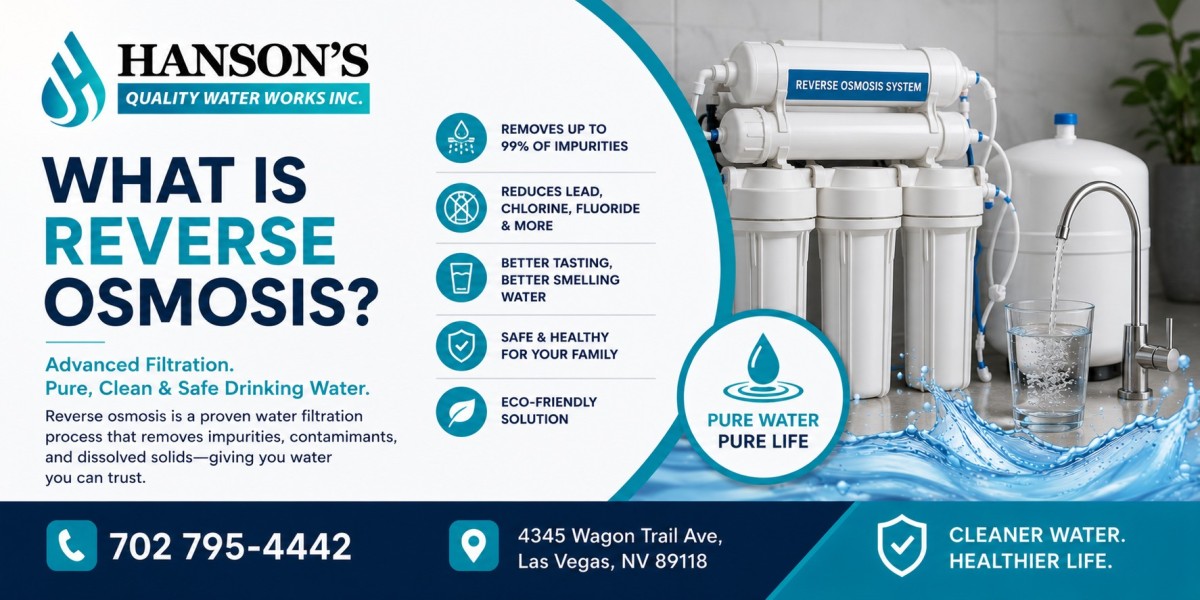

Access to clean, safe drinking water is essential for every household. One of the most effective methods of improving water quality is Reverse Osmosis (RO), a water purification process that removes a wide range of contaminants, dissolved solids, and impurities. If you've ever wondered What is Reverse Osmosis, how it works, and why it's so popular for homes and businesses, this guide will answer all your questions.
What Is Reverse Osmosis?
Reverse Osmosis (RO) is a water purification process that uses pressure to force water through a semi-permeable membrane. This membrane allows water molecules to pass through while blocking contaminants such as dissolved salts, minerals, chemicals, bacteria, and other impurities.
The result is cleaner, better-tasting, and higher-quality water that is ideal for drinking, cooking, and many household uses.
How Does Reverse Osmosis Work?
A reverse osmosis system typically purifies water through several stages:
1. Pre-Filtration
Water first passes through sediment and carbon filters that remove:
- Dirt
- Sand
- Rust
- Chlorine
- Other large particles
These filters protect the RO membrane and improve its lifespan.
2. Reverse Osmosis Membrane
The water is then forced through a semi-permeable membrane under pressure.
The membrane blocks many contaminants, including:
- Dissolved salts
- Heavy metals
- Nitrates
- Fluoride (depending on the system)
- Lead
- Arsenic
- Various chemicals
Only purified water passes through the membrane.
3. Storage Tank
The purified water is stored in a dedicated tank until it is needed.
4. Final Carbon Filter
Before reaching your faucet, the water passes through a final polishing carbon filter that enhances its taste and removes any remaining odors.
What Does Reverse Osmosis Remove?
A quality reverse osmosis system can significantly reduce:
- Total Dissolved Solids (TDS)
- Chlorine
- Lead
- Arsenic
- Mercury
- Nitrates
- Fluoride (system dependent)
- Pesticides
- Herbicides
- Sediment
- Rust
- Organic contaminants
- Unpleasant tastes and odors
The exact contaminants removed depend on the system design and membrane specifications.
Benefits of Reverse Osmosis
Cleaner Drinking Water
Reverse osmosis removes many unwanted impurities, providing fresh, clean water directly from your tap.
Better Taste
By reducing chlorine and dissolved minerals, RO water tastes cleaner and more refreshing.
Improved Cooking
Pure water enhances the flavor of coffee, tea, soups, and meals prepared with water.
Cost Savings
Installing an RO system reduces the need for bottled water, saving money over time.
Environmental Benefits
Using purified tap water helps reduce plastic bottle waste and supports a more sustainable lifestyle.
Convenience
Enjoy purified water whenever you need it without purchasing or storing bottled water.
Reverse Osmosis vs. Water Filtration
Many people confuse reverse osmosis with standard water filtration.
Standard Water Filtration
Water filters primarily remove:
- Sediment
- Chlorine
- Rust
- Some chemicals
- Odors
Reverse Osmosis
RO systems remove everything standard filters remove while also reducing:
- Dissolved minerals
- Heavy metals
- Nitrates
- Many additional contaminants
This makes reverse osmosis one of the most comprehensive home water purification methods available.
Reverse Osmosis vs. Water Softeners
These systems perform different functions.
Water Softener
A water softener removes hardness minerals such as calcium and magnesium to prevent scale buildup and protect plumbing.
Reverse Osmosis
A reverse osmosis system focuses on purifying drinking water by removing contaminants and dissolved solids.
Many homeowners install both systems together for complete water treatment.
Where Are Reverse Osmosis Systems Installed?
Most residential systems are installed:
- Under the kitchen sink
- Connected to a dedicated drinking water faucet
- Connected to refrigerator ice makers
- Used for coffee machines and beverage stations
Whole-house reverse osmosis systems are also available for specialized applications but are less common due to their size and cost.
Who Should Consider Reverse Osmosis?
Reverse osmosis is an excellent choice for homeowners who want:
- Better tasting drinking water
- Reduced chlorine taste and odor
- Cleaner cooking water
- Lower levels of dissolved contaminants
- An alternative to bottled water
It is especially beneficial in areas with hard water or high levels of dissolved minerals.
Maintaining a Reverse Osmosis System
Regular maintenance helps ensure consistent performance.
Typical maintenance includes:
- Replacing sediment filters every 6–12 months
- Changing carbon filters as recommended
- Replacing the RO membrane every 2–5 years, depending on water quality and usage
- Sanitizing the system during filter changes
- Scheduling periodic professional inspections
Proper maintenance extends the system's lifespan and keeps water quality at its best.
Common Myths About Reverse Osmosis
Myth 1: RO Water Is Unsafe
False. Reverse osmosis is widely recognized as an effective method for improving drinking water quality by reducing many contaminants.
Myth 2: Reverse Osmosis Removes Everything Beneficial
RO systems remove many dissolved minerals along with contaminants. Many people obtain essential minerals primarily through food rather than drinking water.
Myth 3: Reverse Osmosis Is Only for Well Water
False. Both municipal and well water users can benefit from reverse osmosis, depending on their water quality concerns.
Myth 4: RO Systems Require Constant Maintenance
Modern systems require relatively simple maintenance, typically involving periodic filter and membrane replacement.
Frequently Asked Questions
Is reverse osmosis water safe to drink?
Yes. Properly maintained reverse osmosis systems produce clean, high-quality drinking water suitable for everyday use.
Does reverse osmosis remove bacteria?
Many RO membranes reduce bacteria and other microorganisms. Some systems also include UV purification for additional protection.
How long does a reverse osmosis system last?
With proper maintenance, a quality reverse osmosis system can last 10–15 years or longer.
Is reverse osmosis worth the investment?
For homeowners seeking cleaner, better-tasting water and reduced reliance on bottled water, reverse osmosis is often a worthwhile long-term investment.
Conclusion
Understanding What is Reverse Osmosis can help you make informed decisions about your home's water quality. Reverse osmosis is one of the most effective water purification methods available, using a semi-permeable membrane to reduce dissolved contaminants, chemicals, and impurities while delivering fresh, clean drinking water.
Whether you're looking to improve taste, enhance water quality, or protect your family's health, a reverse osmosis system offers a reliable and efficient solution. Combined with regular maintenance and professional installation, it provides years of dependable performance and access to cleaner water every day.