
In today’s fast-paced industrial landscape, managing waste efficiently and responsibly is no longer optional—it is a necessity. Metals are fundamental to countless industries, from construction to automotive manufacturing, and their disposal, if not handled properly, can lead to environmental harm and economic inefficiencies. This is where Industrial Metal Recyclers play a pivotal role, bridging the gap between industrial waste and sustainable resource management. Their work ensures that metals, often viewed as discarded materials, are reintroduced into the economy with minimal environmental impact.
The Role of Industrial Metal Recyclers
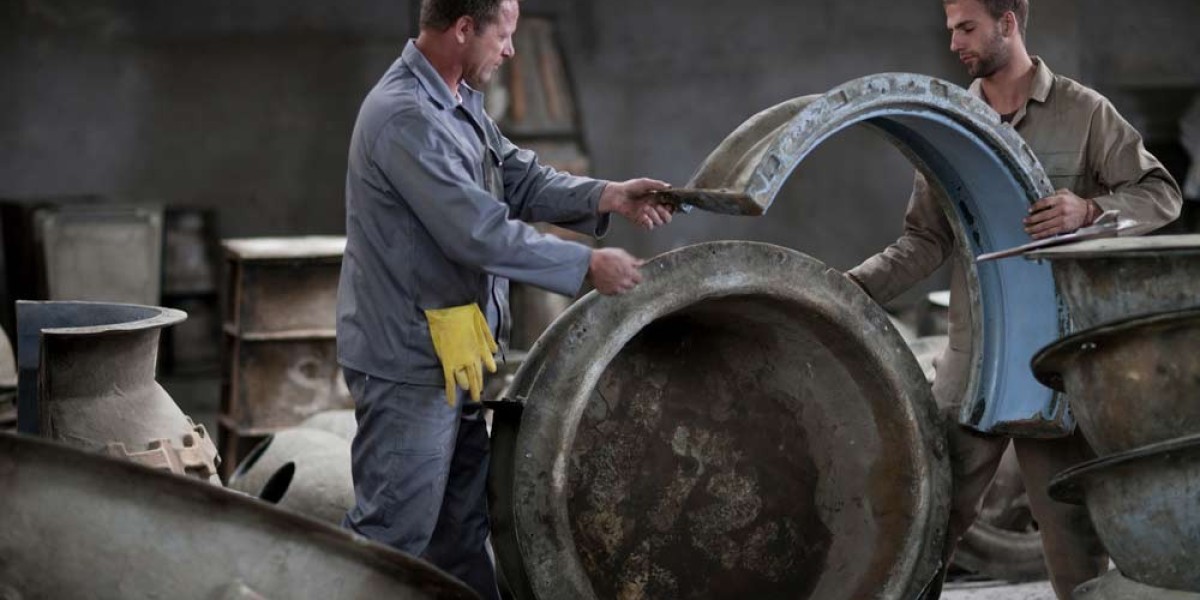
Industrial metal recycling is a specialised sector within waste management, focusing on reclaiming metals from factories, construction sites, and other commercial operations. Unlike domestic recycling, which often handles small-scale materials like cans and household appliances, industrial metal recyclers manage large volumes of diverse metals including steel, aluminium, copper, and brass. These metals may come in forms such as scrap sheets, pipes, machinery parts, or leftover production materials.
The process begins with collection and sorting. Industrial facilities generate a wide variety of metal waste, and separating ferrous metals (which contain iron) from non-ferrous metals is critical. This separation ensures that each type of metal is processed according to its unique characteristics, maximising efficiency and value. Following sorting, metals are often cleaned and shredded, ready to be melted down and repurposed into new products.
By facilitating this cycle, industrial metal recyclers not only reduce the need for virgin materials but also cut energy consumption significantly. For example, recycling aluminium uses up to 95% less energy compared to producing it from raw bauxite ore. This demonstrates how these recyclers contribute to both environmental sustainability and economic efficiency.
Benefits to Businesses and the Environment
Engaging with industrial metal recyclers brings tangible benefits for businesses beyond compliance with environmental regulations. One of the most immediate advantages is cost reduction. Instead of paying to dispose of scrap metals, companies can sell these materials to recyclers, generating a new revenue stream. Moreover, some recyclers offer on-site collection and removal services, saving businesses time and logistical expenses.
From an environmental perspective, industrial metal recycling is essential in reducing landfill waste and greenhouse gas emissions. Metals in landfills can take hundreds of years to decompose, leaching chemicals into the soil and water systems. Recycling prevents these negative outcomes, supporting broader sustainability goals and enhancing corporate social responsibility. Companies that prioritise sustainable waste management also strengthen their reputation among clients and stakeholders, who increasingly value environmental accountability.
Furthermore, recycled metals feed directly back into production cycles. Steel produced from recycled scrap is used in construction, automotive manufacturing, and even infrastructure projects. Aluminium can re-enter beverage can production or aerospace components. By circulating metals efficiently, industrial recycling contributes to a circular economy, reducing reliance on finite natural resources.
Practical Insights for Businesses
When considering industrial metal recycling, businesses should look beyond simply disposing of scrap. Partnering with a reputable recycling company can provide tailored solutions that align with operational needs. For instance, some industrial metal recyclers offer consultancy services to help organisations minimise metal waste from the outset. This proactive approach can lead to process improvements, cost savings, and enhanced environmental outcomes over time.
It’s also important to understand the types of metals being handled. Ferrous metals like steel are magnetic and often easier to process, while non-ferrous metals like copper and aluminium are more valuable but require specialised treatment. Accurate identification and separation are key to maximising returns and ensuring regulatory compliance.
Finally, businesses should consider certifications and environmental standards when choosing a recycling partner. Accreditation from recognised bodies ensures that metals are processed responsibly and that hazardous materials are managed safely. This not only safeguards employees and the community but also strengthens a company’s sustainability credentials.
Conclusion
Industrial metal recycling is a cornerstone of sustainable industrial practice, transforming waste into valuable resources while reducing environmental impact. By engaging with [Industrial Metal Recyclers], businesses gain a partner capable of converting discarded metals into economic opportunities, supporting both corporate efficiency and environmental stewardship.
As industries continue to grow and evolve, the demand for responsible waste management will only increase. Embracing metal recycling is not just a regulatory necessity; it is a smart business strategy and a tangible way to contribute to a greener, more sustainable future. Businesses that integrate these practices today position themselves for long-term success, demonstrating leadership in innovation, responsibility, and resource efficiency.