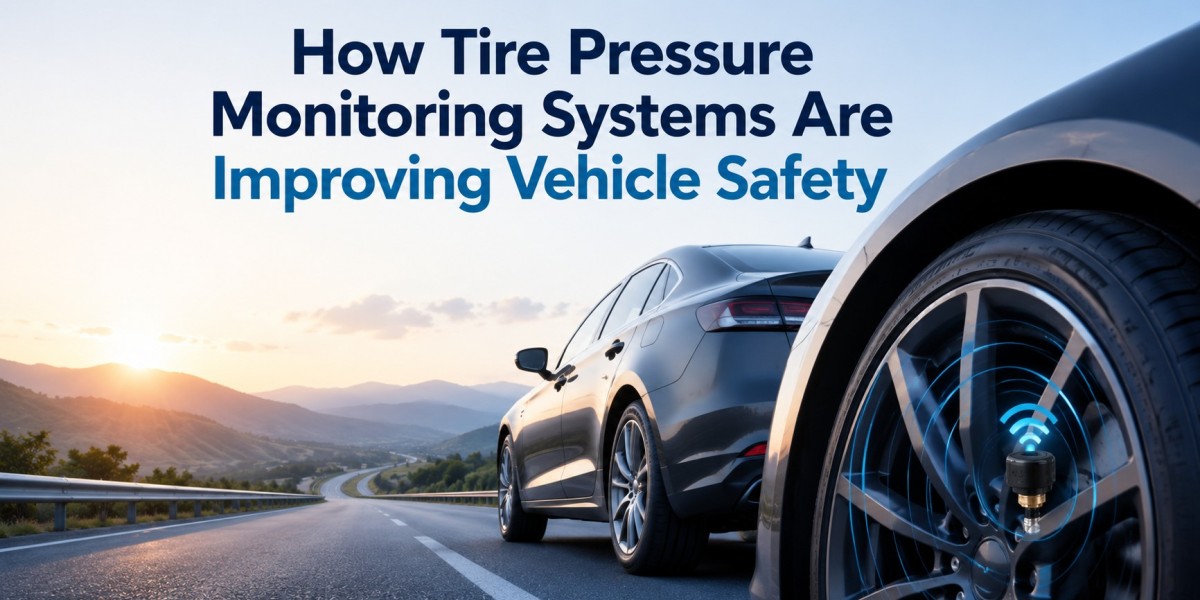

Tire Pressure Monitoring Systems (TPMS) have become an essential component of modern vehicle safety. These systems continuously monitor tire pressure levels and alert drivers when pressure falls below recommended thresholds. Maintaining proper tire pressure not only improves road safety but also supports fuel efficiency, tire longevity, and overall vehicle performance.
The growing focus on vehicle safety regulations and advanced driver assistance technologies has accelerated the adoption of TPMS across passenger and commercial vehicles. According to the Global Tire Pressure Monitoring Systems report, the industry is witnessing steady expansion as automakers increasingly integrate intelligent safety technologies into their vehicle platforms.
Why Tire Pressure Monitoring Systems Matter
Underinflated tires can significantly affect vehicle handling, braking performance, and fuel consumption. Even minor pressure deviations may increase the risk of tire wear and roadside incidents. TPMS helps address these challenges by providing real-time alerts that enable drivers to take corrective action before problems escalate.
As per a study by the National Highway Traffic Safety Administration (NHTSA), properly functioning tire pressure monitoring systems contribute to improved vehicle safety by helping drivers identify tire-related issues early. This proactive approach supports safer driving conditions and reduces the likelihood of accidents caused by tire failure.
Growing Adoption of Advanced Safety Technologies
The automotive industry has witnessed a significant shift toward preventive safety systems. Consumers increasingly expect vehicles to include features that enhance awareness and reduce operational risks. TPMS aligns with this trend by delivering continuous monitoring without requiring manual inspections.
As per a study published by MarkNtel Advisors, the global tire pressure monitoring systems industry was valued at around USD 6.59 billion in 2024 and is projected to reach USD 11.25 billion by 2030, growing at a CAGR of approximately 9.32% during the forecast period. The report identifies rising installation of accident-preventive safety systems as a key factor supporting industry expansion.
Technological Advancements Shaping TPMS Development
Technological innovation continues to improve the accuracy and functionality of tire pressure monitoring solutions. Direct TPMS technologies, which use sensors mounted inside tires, provide highly accurate pressure readings and real-time updates. These systems have become increasingly popular among vehicle manufacturers seeking enhanced safety performance.
Modern TPMS platforms are also being integrated with connected vehicle ecosystems. Real-time diagnostics, predictive maintenance alerts, and cloud-based monitoring capabilities are helping fleet operators and individual vehicle owners manage tire health more effectively. These developments support broader trends toward connected and intelligent mobility solutions.
The growing adoption of connected vehicle technologies aligns with broader transportation digitalization efforts highlighted by the United Nations Economic Commission for Europe (UNECE), which emphasizes the importance of advanced vehicle safety technologies in improving road transport outcomes.
The Role of Electric Vehicles in TPMS Demand
The increasing adoption of electric vehicles is creating new opportunities for TPMS deployment. Tire pressure plays a crucial role in electric vehicle efficiency because improper inflation can affect battery performance and driving range. As manufacturers seek to maximize energy efficiency, TPMS has become an important feature within EV platforms.
Electric vehicles often rely on sophisticated monitoring systems to optimize performance and reduce operational inefficiencies. Accurate tire pressure management helps maintain vehicle stability, improve energy utilization, and support longer battery range, making TPMS a valuable component of modern electric mobility strategies.
Regional Trends Driving Industry Expansion
Asia-Pacific continues to emerge as a major growth region for tire pressure monitoring systems. Strong automotive production, increasing vehicle ownership, and expanding safety regulations across several countries are contributing to higher adoption rates. The region's growing electric vehicle ecosystem further strengthens demand for advanced tire monitoring technologies.
Passenger vehicles currently represent the leading application segment, reflecting consumer demand for enhanced safety and convenience features. At the same time, commercial vehicle operators are increasingly recognizing the operational benefits of continuous tire monitoring, particularly for fleet management and maintenance optimization.
Future Outlook for Tire Monitoring Technologies
The future of TPMS is expected to be closely linked with advancements in connected mobility, vehicle automation, and predictive maintenance. As sensor technologies become more sophisticated, monitoring systems may provide deeper insights into tire condition, road performance, and maintenance requirements.
Industry participants including Continental AG, Denso Corporation, Delphi Automotive, Sensata Technologies, Schrader Electronics, Pacific Industrial Co., Ltd., and other leading manufacturers continue to invest in product innovation to meet evolving safety and performance requirements. These efforts are likely to support broader adoption across both conventional and electric vehicle segments.
Tire Pressure Monitoring Systems have evolved beyond simple warning mechanisms into intelligent safety solutions that contribute to vehicle reliability, efficiency, and driver confidence. As automotive technologies continue to advance, TPMS is expected to remain an integral component of modern transportation safety strategies.