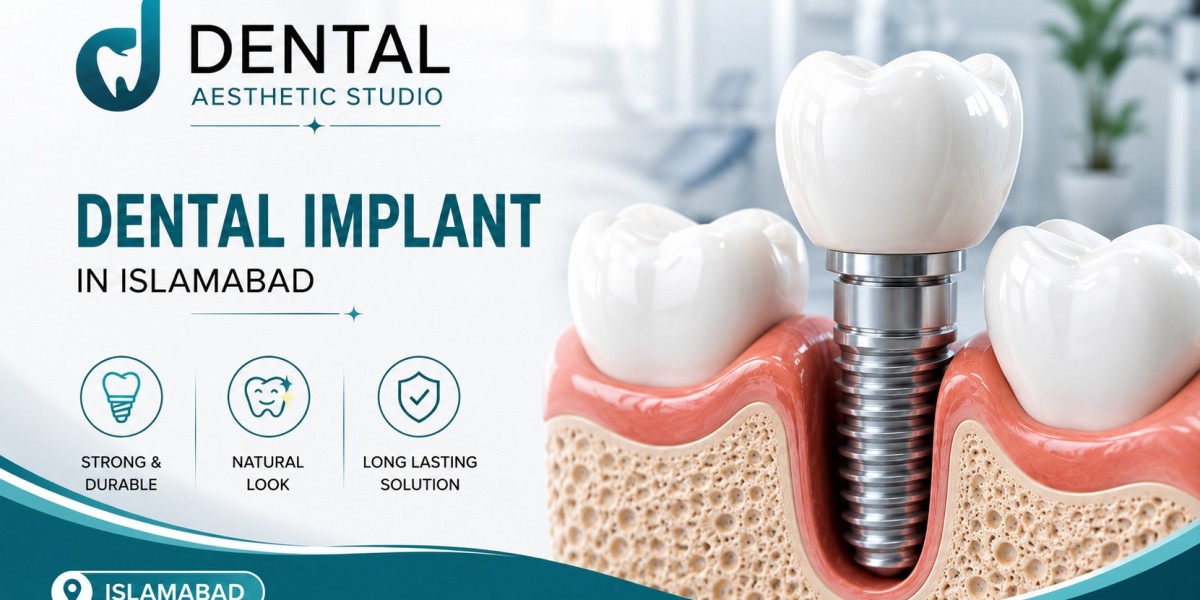

restore your smile, improve chewing ability, and help maintain healthy jawbone structure. If you're considering a Dental Implant in Islamabad, you may wonder whether your gums can reject the implant.
The good news is that your gums do not actually "reject" dental implants in the same way the body can reject a transplanted organ. Dental implants are made from biocompatible materials, usually medical-grade titanium, which are designed to integrate safely with the jawbone. However, implant failure can occur if the surrounding gums or bone become infected or do not heal properly. Understanding the causes, warning signs, and prevention methods can help you protect your investment and enjoy long-term implant success.
Can Gums Really Reject Dental Implants?
Unlike organ transplants, dental implants do not trigger an immune rejection response because titanium is highly compatible with the human body.
When people talk about an implant being "rejected," they are usually referring to complications such as:
- Gum infection
- Poor healing
- Failure of the implant to bond with the jawbone
- Excessive bone loss
- Implant loosening
These problems are treatable in many cases if detected early.
How Do Dental Implants Heal?
After a Dental Implant in Islamabad is placed, your body begins a natural healing process.
During the next three to six months:
- The gums heal around the implant.
- The jawbone gradually bonds with the titanium post.
- A strong foundation is created for the permanent crown.
This process is called osseointegration, and it is essential for the long-term stability of the implant.
Why Implant Failure Can Happen
Although dental implants have a very high success rate, certain factors can interfere with healing.
Poor Oral Hygiene
Plaque and bacteria around the implant can lead to gum inflammation and infection.
Without proper cleaning, this infection may progress into peri-implantitis, a condition that damages the surrounding gum and bone.
Smoking
Smoking significantly increases the risk of implant failure because it:
- Reduces blood flow
- Slows healing
- Increases infection risk
- Delays bone integration
Patients who smoke are more likely to experience complications after implant surgery.
Gum Disease
Patients with untreated periodontal disease have a higher risk of implant failure because healthy gums are essential for supporting the implant.
Insufficient Jawbone
The implant requires enough healthy bone for support.
If the jawbone is too thin or weak, your dentist may recommend a bone graft before implant placement.
Medical Conditions
Certain health conditions may affect healing, including:
- Uncontrolled diabetes
- Immune disorders
- Osteoporosis
- Certain medications
Your dentist will review your medical history before treatment.
Teeth Grinding (Bruxism)
Excessive grinding or clenching places additional pressure on the implant and may interfere with healing or damage the restoration.
A custom night guard may be recommended.
Signs That Something May Be Wrong
Although mild discomfort after surgery is normal, contact your dentist if you notice:
- Persistent pain
- Swollen or bleeding gums
- Pus around the implant
- Bad taste or bad breath
- Gum recession
- Loose implant
- Difficulty chewing
- Fever
Early treatment can often prevent more serious complications.
What Is Peri-Implantitis?
Peri-implantitis is one of the most common causes of implant failure.
It is an infection affecting the gums and bone surrounding the implant.
Symptoms include:
- Red, swollen gums
- Bleeding while brushing
- Bone loss
- Gum recession
- Implant mobility in advanced cases
Prompt treatment is important to preserve the implant.
How to Prevent Implant Problems
The success of a Dental Implant in Islamabad depends largely on proper aftercare and good oral hygiene.
Brush Twice Daily
Use a soft-bristled toothbrush and fluoride toothpaste to remove plaque from around the implant.
Floss Every Day
Cleaning between the implant and neighboring teeth helps prevent plaque buildup.
Your dentist may recommend implant-specific floss or interdental brushes.
Use an Antibacterial Mouthwash
If advised by your dentist, an alcohol-free antibacterial mouthwash can help reduce harmful bacteria.
Visit Your Dentist Regularly
Routine checkups allow your dentist to monitor:
- Gum health
- Bone levels
- Implant stability
- Professional cleaning needs
Regular maintenance significantly improves long-term implant success.
Avoid Smoking
Quitting smoking before and after implant surgery greatly improves healing and reduces the risk of complications.
Eat a Healthy Diet
A balanced diet rich in:
- Protein
- Calcium
- Vitamin D
- Vitamin C
supports healthy gums and strong bone during healing.
Can a Failed Implant Be Replaced?
Yes. In many cases, a failed implant can be successfully replaced after the underlying problem has been treated.
Your dentist may recommend:
- Removing the failed implant
- Allowing the area to heal
- Bone grafting if necessary
- Placing a new implant after adequate healing
Many patients go on to achieve successful results with replacement implants.
Long-Term Success of Dental Implants
Dental implants have a success rate of over 95% when placed by experienced professionals and maintained with proper care.
Long-term success depends on:
- Good oral hygiene
- Healthy gums
- Regular dental visits
- Avoiding tobacco
- Managing medical conditions
- Following your dentist's recommendations
With proper maintenance, dental implants can remain healthy and functional for decades.
Conclusion
Your gums do not actually reject dental implants like the body rejects transplanted organs. However, infections, poor oral hygiene, gum disease, smoking, or inadequate bone support can lead to implant complications or failure if left untreated. Fortunately, most problems can be prevented through excellent oral hygiene, regular dental checkups, and healthy lifestyle habits.
If you're considering or have recently received a Dental Implant in Islamabad, following your dentist's aftercare instructions is the best way to protect your implant and maintain healthy gums. With proper care and routine maintenance, dental implants can provide a strong, stable, and natural-looking smile for many years.