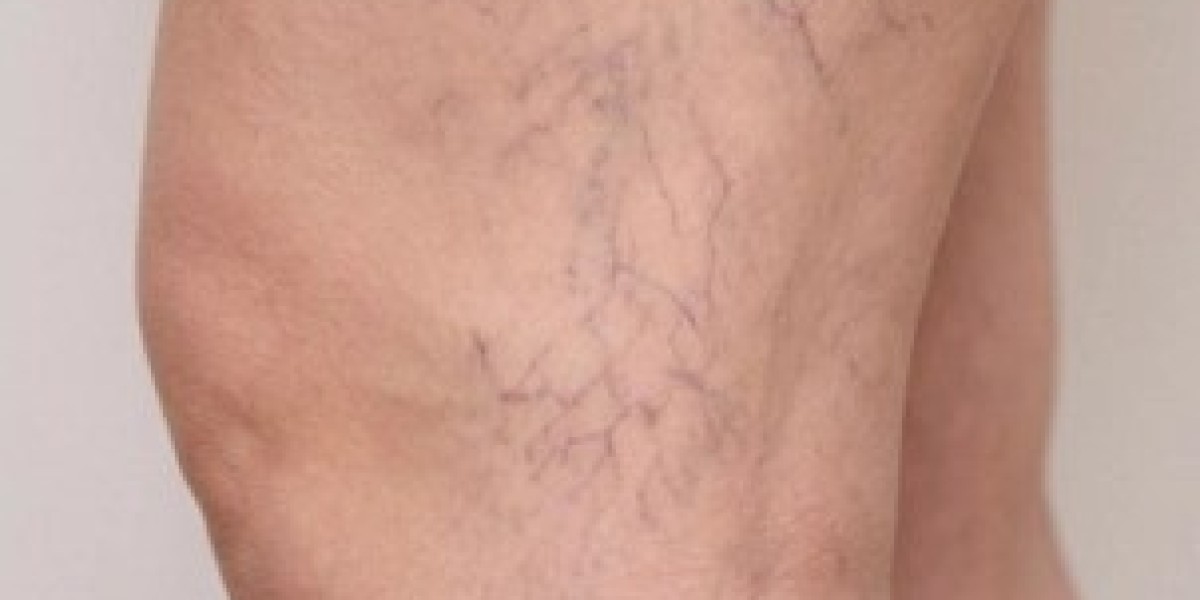

Varicose veins are a common condition that affects millions of people worldwide. These enlarged, twisted veins often appear on the legs and can range from a minor cosmetic concern to a serious medical issue. While many people seek treatment because they dislike the appearance of varicose veins, others require medical intervention due to symptoms that interfere with daily life and overall health.
Understanding the difference between cosmetic and medical varicose vein treatment is essential when deciding the most appropriate approach. The purpose, eligibility, insurance coverage, and treatment goals can vary significantly depending on whether the condition is considered cosmetic or medically necessary.
Understanding Varicose Veins
Varicose veins develop when the valves inside the veins become weak or damaged. Normally, these valves help blood flow back toward the heart. When they fail to function properly, blood pools in the veins, causing them to enlarge and become visible beneath the skin.
Common risk factors include aging, genetics, pregnancy, obesity, prolonged standing, and a sedentary lifestyle. While some individuals experience only visible vein changes, others may develop symptoms that impact their comfort and mobility.
What Is Cosmetic Varicose Vein Treatment?
Cosmetic varicose vein treatment focuses primarily on improving the appearance of visible veins. Patients who seek cosmetic treatment often do not experience significant pain or health complications. Instead, they may feel self-conscious about the appearance of spider veins or small varicose veins on their legs.
The goal of cosmetic treatment is to enhance confidence and create smoother-looking skin. These procedures are typically elective, meaning they are chosen by the patient rather than required for medical reasons.
Common cosmetic treatments include:
Sclerotherapy
Sclerotherapy involves injecting a special solution into the affected veins. The solution causes the veins to collapse and gradually fade from view. This procedure is often used for spider veins and smaller varicose veins.
Surface Laser Therapy
Laser treatments use focused light energy to target visible veins near the skin's surface. Over time, the treated veins fade and become less noticeable.
Cosmetic Vein Removal
Some minor procedures are designed specifically to eliminate visible veins for aesthetic purposes. These treatments generally require little downtime and can provide noticeable cosmetic improvements.
When Does Varicose Vein Treatment Become Medical?
Varicose veins become a medical concern when they cause symptoms or lead to complications. In these situations, treatment is not simply about appearance it is necessary to improve circulation, reduce discomfort, and prevent more serious health problems.
A qualified vein specialist Houston can evaluate whether symptoms indicate an underlying venous disease that requires medical intervention rather than cosmetic correction.
Common symptoms that may indicate medically necessary treatment include:
Persistent leg pain or aching
Swelling in the legs or ankles
Heaviness or fatigue in the legs
Burning or throbbing sensations
Muscle cramping
Skin discoloration
Venous ulcers
Recurrent inflammation or bleeding
When these symptoms are present, healthcare providers often recommend treatment to address the root cause of vein dysfunction.
What Is Medical Varicose Vein Treatment?
Medical varicose vein treatment aims to restore healthy blood flow and relieve symptoms. Rather than focusing solely on appearance, these procedures target damaged veins that are contributing to poor circulation.
Modern medical treatments are minimally invasive and often performed in outpatient settings. They typically allow patients to return to normal activities quickly.
Endovenous Laser Treatment (EVLT)
EVLT uses laser energy delivered through a small catheter to close problematic veins. Once the vein is sealed, blood is naturally redirected through healthier veins.
Radiofrequency Ablation (RFA)
This procedure uses radiofrequency energy to heat and close damaged veins. It is widely used to treat larger varicose veins that cause significant symptoms.
Ambulatory Phlebectomy
In this procedure, problematic veins are removed through tiny skin incisions. It is often used when larger veins are causing discomfort or circulation issues.
Ultrasound-Guided Sclerotherapy
Unlike cosmetic sclerotherapy, this advanced version is used for deeper veins that contribute to venous insufficiency. Ultrasound imaging helps guide the treatment for greater accuracy.
Key Differences Between Cosmetic and Medical Treatment
Although cosmetic and medical treatments may use similar technologies, their objectives differ significantly.
Treatment Goals
Cosmetic treatment focuses on improving appearance and reducing visible veins. Medical treatment aims to correct underlying vein disease and relieve symptoms.
Diagnostic Evaluation
Cosmetic procedures may require only a visual assessment. Medical treatment typically involves a detailed evaluation, including duplex ultrasound imaging to assess blood flow and identify damaged veins.
Insurance Coverage
Cosmetic vein treatments are generally not covered by insurance because they are considered elective procedures. Medical treatments may qualify for insurance coverage when symptoms and diagnostic findings demonstrate medical necessity.
Health Benefits
Cosmetic treatment primarily enhances appearance and confidence. Medical treatment improves circulation, reduces pain, prevents complications, and supports long-term vascular health.
Why Accurate Diagnosis Matters
One of the biggest misconceptions about varicose veins is that visible veins are always a cosmetic issue. In reality, the appearance of varicose veins may be the first sign of chronic venous insufficiency, a condition in which veins struggle to return blood efficiently to the heart.
Without proper evaluation, underlying vein disease may continue to worsen over time. Symptoms can become more severe, and complications such as skin changes, ulcers, or blood clots may develop.
An accurate diagnosis helps ensure that patients receive the most effective treatment based on their individual needs rather than focusing solely on visible symptoms.
Choosing the Right Treatment Option
The best treatment depends on the severity of the condition, the presence of symptoms, and the patient’s personal goals. Some individuals only need cosmetic improvement, while others require medical intervention to restore healthy circulation.
A comprehensive consultation typically includes a physical examination, a review of symptoms, and diagnostic imaging when necessary. This information helps determine whether the condition is primarily cosmetic, medically significant, or a combination of both.
Working with an experienced vein specialist Houston allows patients to receive personalized recommendations and access modern treatment options designed for both appearance and long-term vein health.
Conclusion
Varicose vein treatment is not a one-size-fits-all solution. Cosmetic treatments focus on improving the appearance of visible veins, while medical treatments address underlying vein disease and its associated symptoms. Understanding the distinction between these two approaches helps patients make informed decisions about their care.
If varicose veins are causing discomfort, swelling, skin changes, or other symptoms, seeking professional evaluation is important. Early diagnosis and appropriate treatment can improve both quality of life and vascular health. Whether the goal is aesthetic enhancement or medical relief, modern vein treatments offer effective solutions that are safer, more comfortable, and more convenient than ever before.