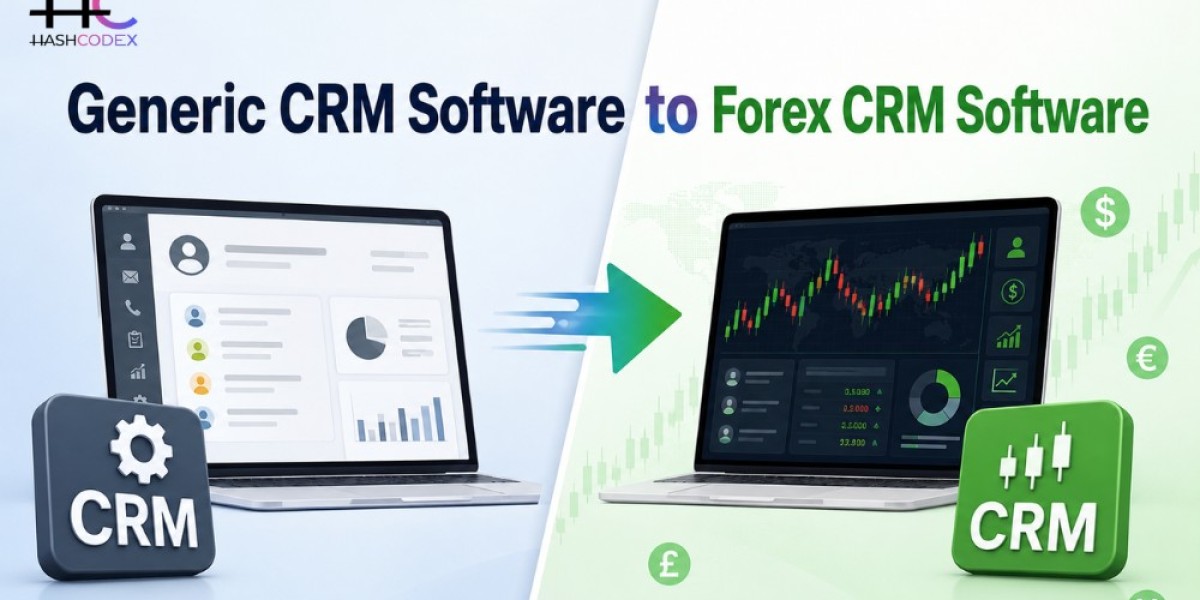

Do you notice that many forex brokerages are now moving toward Forex CRM software instead of using generic CRM systems?
Why is this change happening? Has anyone thought about it?
Because forex CRM software is designed specifically for brokerage operations, offering features such as client management, trading data tracking, and workflow automation features that generic CRM platforms often lack.
Want to know what makes Forex CRM software the preferred choice among brokers?
Let’s explore it in detail.
What are Generic CRM and Forex CRM?
Generic CRM
A generic CRM is a customer relationship management system that can be used by businesses across different industries to manage sales, marketing, and customer workflows.
It helps businesses store customer information, track leads, and manage communication in one place.
Since it is built for general business use, the features are usually broad rather than industry-specific. This makes it suitable for companies with standard customer management needs.
Forex CRM
A Forex CRM is a system built specifically for Forex brokerages.
Instead of adapting a general business tool, brokers get features that are designed around their daily operations.
It can help manage trader accounts, monitor client activity, organise partner programs, and keep important information in one place.
This makes it easier for brokers to handle growing operations without relying heavily on manual processes or multiple disconnected tools.
Why Forex CRM Software Is More Popular Than Generic CRM Among Brokers?
Nowadays, many Forex brokerages consider using Forex CRM software because it helps reduce manual tasks and supports business growth.
Not only that, this solution offers many more features and capabilities for brokers than a regular CRM.
Let's look at some of the reasons why this software is preferred by many brokerage owners:
Direct Trading Platform Integration
This software can connect with popular trading platforms, allowing brokers to manage client accounts, deposits, withdrawals, and trading activities from one place.
Better Client Onboarding
It supports account registration, document verification, and Know Your Customer procedures, making the onboarding process faster and more organised.
Lead and Trader Management
Brokers can track leads from the first interaction to active trading status, helping sales and support teams maintain stronger client relationships.
Automated Back Office Operations
Many forex CRM solutions include tools for handling transactions, account management, and reporting, reducing manual administrative work.
Partner and IB Management
Forex businesses often work with Introducing Brokers and affiliate partners. A dedicated forex CRM includes features to monitor referrals, commissions, and partner performance.
Compliance Focused Features
Regulatory requirements are a major part of the forex industry. It helps brokers maintain records and manage compliance-related activities more efficiently.
Real-Time Reporting and Analytics
Brokers can access detailed reports on client activity, deposits, trading behaviour, and business performance to support informed decision-making.
Multi-Currency and Global Client Support
Since forex brokers serve traders from different countries, these systems are designed to handle multiple currencies, languages, and regional requirements.
As brokerage requirements become more complex, many firms find that Forex CRM software better supports their operational needs.
While generic CRM can help with certain aspects of a Forex business, this software provides industry-specific tools designed to support the day-to-day activities of brokerage firms.
Key Competitive Advantages of Forex CRM Software
If you integrate Forex CRM software into your brokerage business, it can offer many advantages for your operations.
Here are some advantages:
AI-Powered Lead Conversion
AI helps brokers identify high-potential leads, prioritize follow ups, and engage prospects at the right time for better conversions.
Enhanced Trader Retention
Forex CRM helps brokers understand trader behaviour, provide timely support, and maintain regular engagement, encouraging clients to stay active longer.
Faster Multi-Channel Customer Engagement
This CRM enables brokers to connect with clients through email, chat, phone, and messaging platforms, improving communication and response times.
Data-Driven Business Decisions
Forex CRM provides valuable insights through reports and analytics, helping brokers make informed decisions based on client activity and business performance.
Scalable Global Growth
It supports brokers in managing increasing clients across regions, helping them expand operations while maintaining organised workflows and performance tracking.
Affiliate and Partner Management
Referral programs can be organised more effectively, helping brokerages maintain strong relationships with partners.
These advantages make Forex CRM software a valuable business tool for brokerages.
By helping teams manage daily responsibilities more efficiently, it supports better decision-making and long-term operational performance.
Final Thoughts
I hope you now have a better understanding of why more forex brokers are choosing to use Forex CRM for their businesses.
It doesn’t mean generic CRM systems are not useful, but when we compare generic CRM to Forex CRM, this is specifically designed to support the unique needs of forex businesses.
As the business grows, brokers also need a system that can grow with them, manage operations efficiently, and handle increasing client demands. That’s why many business owners are now considering this shift towards Forex CRM solutions.