
If you have spent months or even years cycling through standard treatments like generic nightguards, heavy muscle relaxants, or lifestyle adjustments that tell you to "just avoid stress," you already know that these options often function as temporary Band-Aids. They mask the symptoms without ever addressing the underlying structural and mechanical failures of the joint.
This comprehensive guide explores the clinical reality of TMJ dysfunction and explains why targeted physical rehabilitation is increasingly recognized by leading neuromuscular specialists as the gold standard for long-term recovery.
What is a TMJ Disorder and Why Does it Cause Chronic Pain?
TMJ disorders (TMD) encompass a complex group of conditions affecting the temporomandibular joints the two complex hinges connecting your lower jaw to your skull along with the surrounding masticatory muscles, ligaments, and neurological pathways. Because these joints handle both rotational and gliding movements, any structural misalignment causes immediate, widespread dysfunction.
To understand why TMD is so uniquely debilitating, we have to look at the anatomy. The TMJ contains a small, fibrocartilaginous articular disc that acts as a cushion between the temporal bone and the condyle of your mandible. When this disc slips out of place frequently Forward or "anteriorly" the delicate nerves and blood vessels behind it become compressed.
The surrounding muscles, particularly the masseter, temporalis, and lateral pterygoid, immediately go into a state of protective guarding. They lock down to prevent further damage to the joint. This chronic, involuntary muscle contraction is what leads to the familiar, throbbing tension headaches, deep ear pain, and facial fatigue that characterize the disorder.
Furthermore, the TMJ does not operate in a vacuum. It shares intimate neurological and muscular connections with the upper cervical spine. A misalignment in the neck can directly alter your bite mechanics, while chronic jaw clenching can cause the muscles of your neck and upper back to tighten in response. It is a highly integrated system, which is exactly why a localized, pill-based approach so frequently fails to provide lasting relief.
How Does a Physical Therapist Treat TMJ?
What does a physical therapist do for TMJ disorders? > A physical therapist treats TMJ disorders by combining targeted intraoral manual therapy, joint mobilization, dry needling, and tailored cervical spine exercises. This multi-modal approach restores proper joint mechanics, releases deep muscular trigger points, and re-educates the jaw and neck muscles to prevent future alignment issues.
When you undergo specialized physical therapy for jaw dysfunction, treatment begins with a meticulous structural assessment. A specialist does not simply look at how wide you can open your mouth; they evaluate the exact tracking path of your mandible, analyze your cervical posture, and manually palpate the intraoral muscles inside your cheek.
Advanced Intraoral Manual Therapy
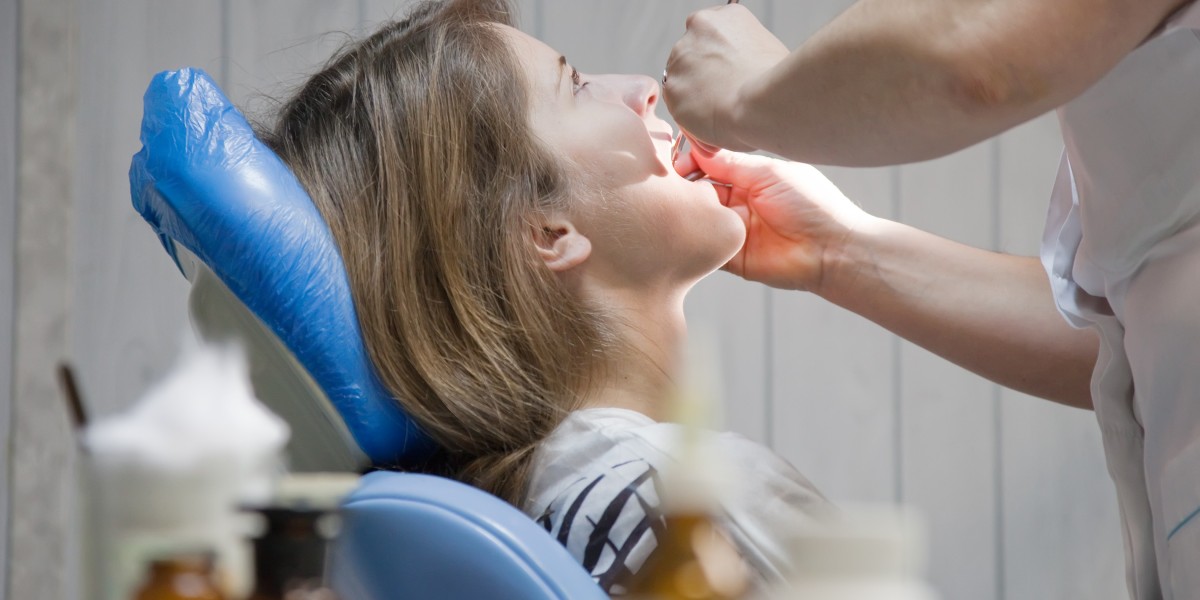
One of the most effective tools in a specialist’s arsenal is intraoral manual therapy. Because key muscles like the lateral pterygoid which controls the forward gliding motion of your jaw are buried deep within the facial structure, they cannot be reached through the outside of the cheek. By donning a glove and applying precise, controlled pressure directly to these muscles inside the mouth, a therapist can deactivate stubborn trigger points and immediately reduce intracapsular pressure.
Joint Mobilization Techniques
If your articular disc is displaced or the joint capsule is tight, the therapist will perform gentle joint mobilizations. This involves applying a specific downward and forward distraction force to your lower jaw. This technique increases the space within the joint housing, allowing the compressed, highly sensitive retrodiscal tissues to rest and heal, while encouraging the displaced disc to return to its optimal functional position.
The Top Benefits of Specialized Jaw Rehabilitation
Investing time into targeted therapy yields systemic benefits that extend far beyond simple pain management. Let's break down the core physiological improvements you can expect from a structured treatment plan.
1. Permanent Reduction in Facial Pain and Headaches
By directly addressing the muscular trigger points that mimic migraines and tension headaches, physical rehabilitation breaks the neurological pain loop. When the masseter and temporalis muscles are systematically relaxed and lengthened, the referred pain that shoots into your temples, behind your eyes, and down your neck begins to dissipate permanently.
2. Restoration of Normal Range of Motion
Healthy jaw function requires an opening capacity of roughly 40 to 50 millimeters (roughly the width of three fingers stacked vertically). TMD frequently reduces this to 20 or 30 millimeters. Through progressive joint stretching and controlled mobilization, physical therapy restores natural lateral gliding and vertical opening, allowing you to eat, yawn, and speak without restriction.
3. Elimination of Joint Clicking, Popping, and Locking
That sharp clicking sound you hear when opening your mouth is usually the sound of your jaw bone riding over the displaced articular disc. While clicking alone isn't always a cause for panic, it indicates mechanical friction. Physical therapy stabilizes the surrounding musculature to keep the disc centered, preventing the joint from getting stuck or locking completely.
4. Correcting Cervical Spine Alignment and Posture
There is a profound, bidirectional link between forward head posture and jaw dysfunction. When your head protrudes forward, it places a continuous backward pull on your mandible via the hyoid muscles. By strengthening the deep cervical flexors of your neck and opening up the suboccipital space, physical therapy alters the resting position of your jaw, taking immense pressure off the TMJ.
Comparing Treatment Pathways: Physical Therapy vs. Standard Interventions
To understand why specialized physical medicine is so effective, it helps to compare it against the conventional management options most patients are offered.
Treatment Modality | Primary Mechanism | Long-Term Efficacy | Potential Downsides |
Custom Nightguards / Splints | Prevents tooth wear; slightly alters joint loading during sleep. | Moderate for tooth protection; low for curing muscle imbalances. | Can be expensive; sometimes worsens clenching if poorly calibrated. |
Pharmaceuticals (NSAIDs/Relaxants) | Chemically blocks pain signals and temporarily reduces muscle tone. | Very low; symptoms typically return immediately once medication stops. | Risks of gastrointestinal distress, dependency, and liver strain. |
Botox Injections | Paralyzes masseter/temporalis muscles to stop clenching forces. | Moderate (lasts 3–6 months); requires ongoing re-treatment. | Costly over time; can lead to localized muscle atrophy and bone thinning. |
TMJ Physiotherapy | Restores joint mechanics, lengthens muscle tissue, fixes root posture. | High; teaches self-management and fixes underlying structural issues. | Requires active patient participation and a time commitment. |
The Insider Insight: Why Your Current "Jaw Exercises" Might Be Making You Worse
Can standard jaw exercises make TMJ pain worse? > Yes, generic jaw exercises found online frequently worsen TMJ pain because they ask an already inflamed, misaligned joint to perform repetitive movements. Without first releasing hypertonic muscles and correcting cervical posture, these exercises merely reinforce dysfunctional patterns and accelerate joint wear.
Here is an insider perspective that you rarely hear in conventional ENT or dental offices: most generic jaw exercises given to patients are actually counterproductive.
When a patient searches for TMJ help online, they often find videos demonstrating opening and closing exercises, or resistance movements designed to "strengthen" the jaw. However, if your lateral pterygoid muscle is locked up on one side, your jaw will deviate toward that side every time you open your mouth. Forcing an asymmetrical jaw to perform repetitive strengthening movements is like driving a car with a profoundly misaligned front axle at 80 miles per hour it rapidly accelerates structural wear and tear, further damaging the delicate articular disc.
True TMJ physiotherapy does not start with strengthening. It begins with down-regulating an overactive nervous system, releasing hypertonic tissues, and establishing symmetric, straight-line tracking. Only when the joint moves along a clean, neutral path do we introduce neuromuscular re-education exercises to lock that healthy pattern into your brain's motor cortex.
What to Expect During Your Recovery Journey
The Initial Evaluation Phase
Your first few sessions are entirely diagnostic and corrective. Your clinician will map out your specific jaw deviation patterns, measure your current baseline range of motion, and assess how your neck posture influences your bite. Initial treatments focus heavily on gentle, hands-on techniques to lower your baseline pain levels and give you immediate, physical relief.
The Active Rehabilitation Phase
Once the acute, blinding pain is under control, your treatment shifts toward active, long-term stabilization. This is where you will learn highly specific, low-load exercises designed to train your jaw to open straight without deviating. You will also perform postural correction movements to strengthen the shoulder girdle and upper back, neutralizing the forward head posture that strains the jaw.
Long-Term Maintenance and Prevention
The ultimate goal of a comprehensive physiotherapy treatment plan is complete patient autonomy. By the end of your program, you will possess a deep understanding of your own triggers and a customized toolkit of self-mobilization techniques. This shifts your position from being a passive recipient of healthcare to an active, empowered manager of your own musculoskeletal wellness.
When to Seek Professional Intervention
If you are unsure whether your jaw issues warrant professional care, look for these key warning signs:
You experience a sudden, temporary inability to fully open or close your mouth (closed or open lock).
You hear loud grinding, grating, or clicking noises accompanied by localized pain during meals.
You wake up with dull, radiating headaches that span across your temples and down into your neck.
You have tried a standard dental nightguard for over a month with zero reduction in your daily pain levels.
Embracing a Multi-Disciplinary Path to Lasting Relief
Achieving freedom from chronic jaw tension requires looking past isolated symptoms and treating the body as an interconnected system. While standard dental appliances are excellent for protecting your enamel from the destructive forces of nighttime bruxism, they cannot retrain your posture, break up deep muscular adhesions, or restore normal tracking to an asymmetrical joint.
By integrating targeted physical medicine into your recovery strategy, you address the root structural causes of your pain. If you are tired of merely managing your symptoms and are ready to restore natural, pain-free movement to your jaw, it is time to look into a specialized physiotherapy treatment program. Taking this proactive step can help you reclaim the basic, everyday comforts of eating, speaking, and living without constant physical limitations.