
The purification of contaminated process streams across global manufacturing networks requires dependable engineering protocols. Industrial entities face escalating regulatory standards regarding effluent discharge limits, which mandate advanced mechanical extraction techniques. Achieving this caliber of environmental compliance rests heavily on the integration of highly effective separation apparatus designed to isolate suspended solids, fats, oils, and greases from liquid matrices.
Optimizing secondary and tertiary purification phases relies on modern physical-chemical processing frameworks. Implementing robust Clarification architectures ensures processing installations remain within mandated safe-discharge thresholds while improving downstream operations. By prioritizing advanced solid-liquid separation equipment, contemporary facilities significantly minimize their ecological footprints while simultaneously recovering processing water for internal recycling initiatives.
Understanding the Operational Mechanisms of Dissolved Air Flotation Units
At the core of specialized clarifying operations is the Dissolved Air Flotation (DAF) process, which leverages microbubbles to drive suspended matter to the liquid surface. Unlike traditional gravitational settling setups that require extensive retention times, a DAF system introduces microscopic air bubbles directly into the contaminated liquid stream. These minuscule bubbles attach to flocculated chemical structures, reducing their overall density and driving rapid upward migration.
The physical interaction occurring within the flotation cell demands precise hydrodynamic management. Water is saturated with air under high pressure inside a specialized vessel before being released into the clarification tank via custom microbubble diffusers. This sudden drop in pressure creates a dense cloud of microbubbles measuring between 10 and 30 micrometers. These bubbles adhere securely to target impurities, guaranteeing rapid clarification performance.
Structural Integrity of High-Performance Clarification Hardware
The mechanical design of industrial flotation systems determines their overall operational longevity and processing capacity. Utilizing premium structural raw materials, such as heavy-gauge stainless steel alloys, guards against the chemical corrosion typical of aggressive processing streams. Advanced internal baffles and flow distribution manifolds eliminate turbulence, allowing microbubbles to rise smoothly without breaking delicate flocculated structures.
Modern manufacturing processes employ automated welding techniques and precise finish passivation coatings to lengthen equipment operational lifespans. Well-designed internal chambers facilitate smooth sludge accumulation at the surface while preventing dead zones where solids might settle out prematurely. This targeted design focus keeps processing systems running smoothly, minimizing maintenance-related downtime.
Integrating Automated Sludge Skimming Mechanics
The continuous extraction of buoyant sludge blankets requires reliable, variable-speed surface scraping assemblies. High-efficiency skimmers move across the liquid surface to move accumulated scum into a collection trough without disrupting the underlying clarified water layers. These automated scraping mechanisms can be adjusted dynamically based on incoming solids loading profiles.
By regulating the scraping frequency and blade travel speed, operations can maintain the ideal thickness of the floating sludge cake. This careful control ensures efficient mechanical handling and maximizes dry solids consistency before downstream dewatering steps. Consequently, overall disposal volumes drop, cutting secondary waste management costs for the operating facility.
Enhancing Solid-Liquid Separation Through Advanced System Customization
Standardized equipment configurations often fall short when treating complex industrial waste profiles. Tailored mechanical solutions allow operators to adjust surface loading rates, fluid retention dynamics, and microbubble generation ratios to fit precise processing goals. This flexibility ensures dependable performance across changing manufacturing outputs and seasonal fluid variations.
Integrating modular lamella internal plates within custom DAF tanks significantly expands the available surface separation footprint while keeping the physical installation compact. These inclined internal surfaces optimize flow dynamics, allowing facilities to process larger volumes of fluid without expanding their physical footprint. This design makes the setup a perfect fit for urban infrastructure projects and space-constrained processing plants.
Optimizing Chemical Pretreatment and Flocculation Protocols
To achieve exceptional solid-liquid separation efficiency, processing streams must undergo thorough chemical conditioning before entering the primary flotation chamber. Coagulation steps destabilize electrical charges on suspended particulates, enabling them to aggregate into micro-flocs. This preparation is critical for handling stubborn emulsified oils and colloidal organic matter.
Following initial coagulation, introducing tailored organic polymers facilitates the formation of robust chemical flocs that are ideal for microbubble attachment. This chemical preparation increases particle size and mechanical strength, preventing shear-induced breakdown within fluid distribution zones. Properly conditioned flocs ensure highly efficient flotation performance, keeping effluent quality consistently high.
Tailoring Systems for Diverse Industrial Manufacturing Sectors
Food and Beverage Processing: Effectively separates stubborn fats, oils, and greases from slaughterhouse and dairy wash waters.
Petrochemical Refining: Targets and removes free-floating and emulsified hydrocarbon molecules from complex process water streams.
Pulp and Paper Production: Recovers reusable cellulose fiber structures while removing fine suspended particulate matter.
Chemical Manufacturing: Isolates insoluble chemical precipitates and heavy metal complexes from aggressive process streams.
Maximizing Hydraulic Capacity and Gas-Water Dissolution Performance
The operational throughput of any flotation installation depends directly on the efficiency of its air-dissolution setup. Modern configurations utilize specialized regenerative pumps that simultaneously draw in atmospheric air and pressurized recycled effluent. This design eliminates the need for loud air compressors and cumbersome pressure vessels, simplifying the overall footprint.
Achieving a gas-water mixing efficiency above 95 percent ensures that the recycled stream is saturated with dissolved gas. When this high-pressure fluid passes through specialized release valves, it generates a steady, dense stream of microbubbles. This consistent bubble release maintains uniform flotation conditions across the entire chamber, preventing short-circuiting or turbulent fluid mixing.
Operational Advantages of Shallow Tank Geometry
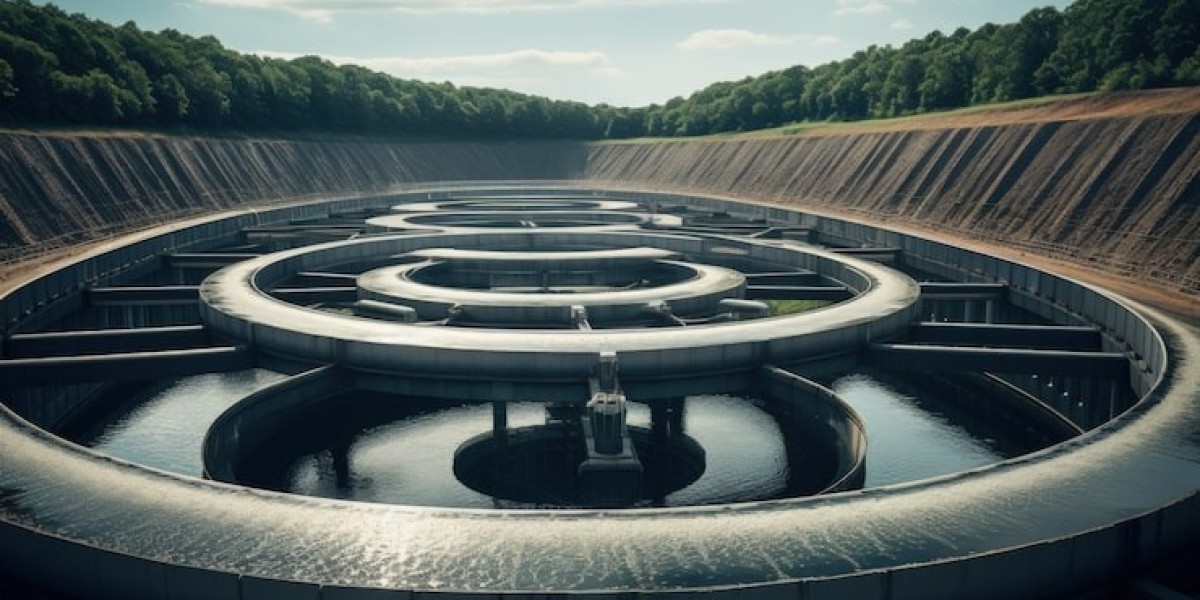
High-efficiency shallow air flotation represents a major design breakthrough for modern industrial separation setups. Operating on the "zero-velocity" principle, these shallow designs introduce incoming water through a rotating distributor that matches the system's forward velocity. This design keeps the fluid virtually static within the separation chamber, allowing particles to rise vertically without disruption.
This quiet internal environment lets microbubbles float particles to the surface in just three to five minutes, a massive improvement over traditional deep-tank systems. The shallow layout also significantly reduces concrete installation costs and simplifies structural engineering needs. This blend of small footprint and high throughput makes it an ideal option for large-scale industrial projects.
Long-Term Asset Management and Structural Reliability
Corrosion Resistance: Using 304 or 316L stainless steel alloys shields the system from aggressive chemical wear.
Low Maintenance Requirements: Simplified mechanical drives and fewer moving parts keep long-term upkeep costs low.
Energy-Efficient Operation: Optimized dissolution pumps reduce electrical power consumption during continuous operation.
Skid-Mounted Systems: Factory-assembled, pre-tested layouts allow for fast on-site integration and quick commissioning.
Conclusion
Implementing automated clarification technology is essential for managing complex industrial waste profiles safely and efficiently. By choosing dependable engineering solutions, processing plants can protect downstream filtration systems from heavy solids loading while meeting strict environmental discharge regulations. This proactive equipment investment stabilizes fluid handling processes and lowers daily operational costs.
Investing in high-performance solid-liquid separation systems from Wuxi Yosun Environmental Protection Equipment Co., Ltd. gives industrial operators the exact control needed to run an environmentally compliant wastewater treatment plant. These rugged, highly efficient systems deliver long-term reliability and excellent purification performance across demanding manufacturing environments. Adopting these advanced engineering standards protects vital water resources and prepares modern industrial operations for future environmental challenges.