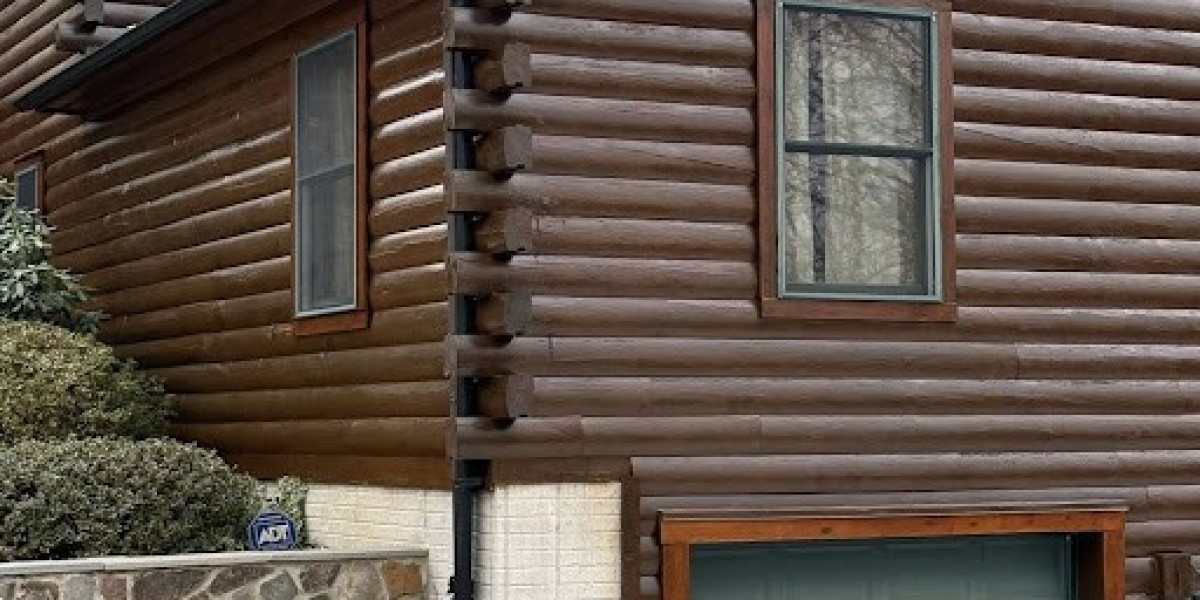

A log cabin has a character that modern homes just can’t copy. The wood, the texture, the feeling when you walk through the door. But even the best-built cabins show their age after years of exposure to weather, moisture, insects, and sunlight. Logs crack. Finishes fade. Structural issues start creeping in where you can’t always see them. That’s usually when people begin searching for log cabin contractors near me Winchester Virginia because they realize a simple patch job won’t solve the bigger problem. Restoring an aging cabin takes experience, patience, and a clear understanding of how log structures behave over time.
Understanding What Years of Wear Really Do to a Log Cabin
Many cabin owners assume that aging logs are mostly a cosmetic issue. Sometimes they are. Often they aren't. Wood naturally expands and contracts with changing temperatures and moisture levels. Over the years, this movement can create gaps, checks, and weak spots. Rainwater may find its way into exposed areas. UV rays slowly break down protective finishes. Insects can exploit vulnerable sections. By the time visible damage appears, there may already be deeper issues hidden beneath the surface. Good restoration starts with recognizing the full scope of the problem rather than focusing only on what is easy to see.
The Inspection Process Comes First
Before any tools come out, professional contractors spend time evaluating the entire structure. This step matters more than most people realize. They inspect the foundation, exterior walls, roof connections, window openings, and every log that shows signs of deterioration. Moisture readings may be taken in suspicious areas. Soft spots are tested. Signs of insect activity are documented. Sometimes the damage is limited to a few sections. Other times, one small issue reveals a chain of problems that developed over several years. Skipping this stage usually leads to expensive surprises later.
Replacing Damaged Logs Without Compromising the Structure
One of the biggest restoration tasks involves replacing logs that can no longer be saved. This isn't as simple as removing old wood and sliding in a replacement. Each log plays a role in the overall stability of the cabin. Contractors carefully support affected areas before removing damaged sections. New logs are selected to match the original appearance and dimensions as closely as possible. The goal is to preserve the cabin's character while restoring its strength. Done properly, the replacement blends in so naturally that most visitors never notice the work was completed.
Repairing Cracks, Checks, and Surface Damage
Not every damaged log needs replacement. Many issues can be repaired if they are caught early enough. Deep cracks, often called checks, are common in older cabins. Left untreated, they allow moisture to penetrate deeper into the wood. Contractors clean these areas thoroughly before applying specialized fillers or sealants designed for log structures. Surface damage from weather exposure is often sanded and refinished. These repairs help extend the life of the existing logs while preventing bigger issues from developing later on.
Removing Old Finishes and Preparing the Wood
Aging cabins frequently have layers of old stain, peeling finishes, or coatings that have stopped doing their job. Restoration crews typically remove these materials through media blasting, sanding, or other approved techniques. The objective is to expose healthy wood underneath without causing unnecessary damage. This stage can completely change the appearance of a cabin. Logs that looked tired and worn often reveal beautiful grain patterns once the old finish is removed. Preparation work isn't glamorous, but it's one of the most important parts of the entire restoration process.
Applying Protective Stains and Sealants
Once the wood is properly prepared, contractors apply fresh protective coatings. These products do much more than improve appearance. Quality stains help block UV damage while allowing the wood to breathe naturally. Sealants provide another layer of defense against moisture intrusion. Different cabins require different products depending on climate conditions, sun exposure, and wood species. Experienced contractors understand these differences and choose systems designed to perform for years rather than just look good for a few months.
Fixing Chinking and Sealing Gaps
Many older log cabins rely on chinking systems to seal spaces between logs. Over time, these materials can crack, separate, or lose flexibility. When that happens, air and moisture begin entering the structure. Restoration often includes removing failed sections and installing new chinking materials designed for modern performance standards. Contractors also inspect around windows, doors, corners, and utility penetrations where gaps commonly develop. Proper sealing improves energy efficiency and helps prevent future moisture-related problems.
Addressing Hidden Moisture Problems Before They Spread
Moisture is probably the biggest enemy of any log cabin. Water damage rarely stays isolated. Once moisture enters vulnerable areas, rot can spread slowly through surrounding wood. Restoration professionals pay close attention to drainage systems, roof overhangs, gutters, flashing details, and grading around the cabin. Correcting these contributing factors is just as important as repairing visible damage. Otherwise, the same issues are likely to return. Long-term solutions always focus on prevention as much as repair.
Why Professional Restoration Delivers Better Long-Term Results
A lot of cabin owners are tempted to tackle repairs themselves. Sometimes small maintenance projects are manageable. Major restoration is different. Structural repairs, log replacement, moisture management, and finishing systems all require specialized knowledge. That's why many homeowners eventually search for log cabin repair near me Winchester Virginia when they realize the project is larger than expected. Skilled contractors understand how every component works together and can identify problems that an untrained eye might overlook.
Conclusion
Restoring an aging log cabin is about much more than making it look attractive again. A proper restoration protects the structure, preserves its history, and extends its lifespan for decades to come. From replacing damaged logs and repairing cracks to addressing moisture concerns and applying protective finishes, every step plays an important role. When completed by experienced professionals, an older cabin can regain much of its original beauty while becoming stronger and more durable than it has been in years. That's the difference between a quick fix and a true restoration.