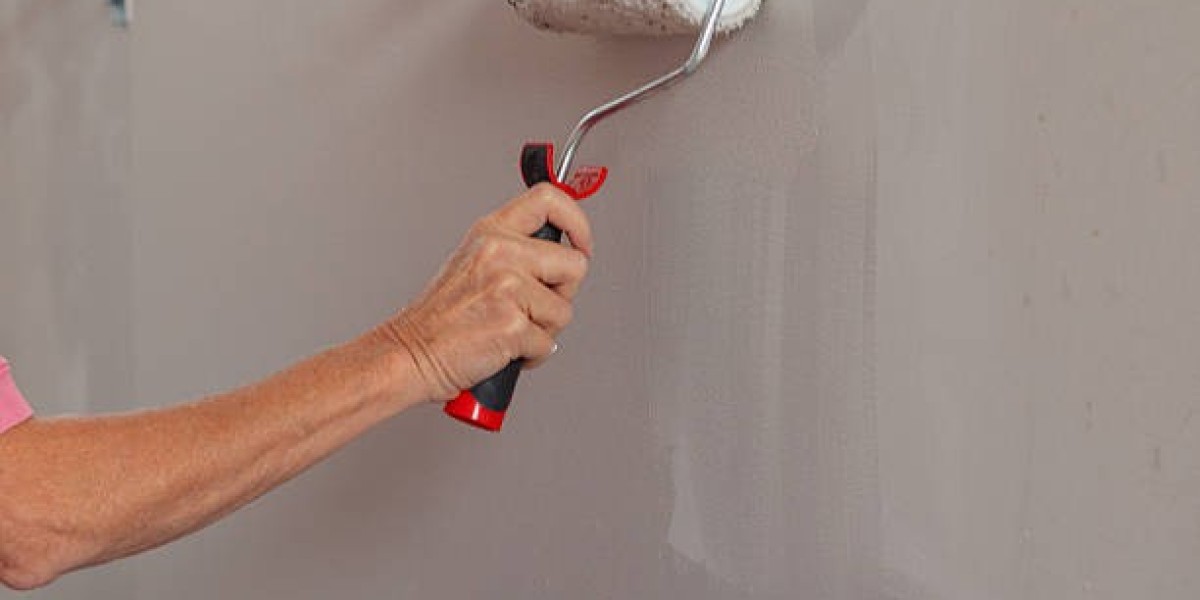

Most people treat painting like a one-and-done chore. Grab a roller, dunk it, roll it, done. That’s fine… until you start wasting time, paint, and patience. A paint roller refillable system changes that, but only if you actually use it right. Otherwise, it just becomes another tool you don’t fully understand. I’ve seen it happen a lot. Folks buy a decent refillable setup, then use it like a cheap tray-and-roller combo. Doesn’t work like that. You’ve got to adjust how you prep, load, and move. Do that, and suddenly the whole job feels faster, cleaner, less annoying.
What Makes a Refillable Roller Different (And Why It Matters)
A refillable roller isn’t just a roller with a gimmick. It’s built to hold paint inside the frame or handle and feed it gradually into the cover. That means fewer trips to the tray, less dripping, and more consistent coverage. But here’s the catch—because the paint is fed internally, pressure and angle matter more than you think. Press too hard, you flood the surface. Too light, and you get patchy spots. It’s a bit of a learning curve, yeah. Once you get it though, it’s smoother than traditional rolling. You spend more time painting and less time fiddling around.
Prep Still Matters (Maybe More Than You Think)
People assume a better tool means less prep. Not true. If anything, prep matters more with a refillable system. You need properly mixed paint—no shortcuts. If the paint’s too thick or not stirred well, it won’t flow right through the roller. That leads to uneven feed and frustration. Also, strain your paint if it’s been sitting. Tiny clumps can clog the system, and then you’re stuck cleaning instead of painting. Not fun. A clean, smooth surface helps too. Refillable rollers highlight flaws faster because they lay paint more evenly. So yeah, do the boring prep. It pays off.
Loading the System Without Making a Mess
This is where most people mess up early. They either overfill or spill half the paint while trying to load it. Slow down. Use a funnel if needed. Fill it to the recommended level—don’t guess. Overfilling causes pressure issues, which leads to leaks or sudden bursts of paint. Underfilling isn’t great either, because you’ll keep stopping to refill. Find that middle ground. And once it’s loaded, give it a minute. Let the paint settle into the roller before you start going at the wall like you’re racing someone.
Control Your Pressure (Seriously, This Is Everything)
If there’s one thing to get right, it’s pressure. A paint roller refillable system responds directly to how hard you push. Press too much and you’ll see lines, drips, even little splatters. Ease up, and the flow evens out. Think of it like guiding the paint, not forcing it. Start light, then adjust as needed. You’ll feel it when it’s right—it just glides. This isn’t the kind of tool you muscle through. It rewards a lighter touch, which honestly makes the job less tiring too.
Work in Sections, Not Random Swipes
Random rolling wastes the advantage of a refillable system. Work in sections. Small areas, maybe 3x3 feet or so. Fill it in evenly, then move on. Because the roller feeds paint continuously, you don’t need to rush back and forth. Take your time to spread it properly. Overlapping slightly helps blend everything together. If you jump around the wall, you’ll end up with inconsistent coverage. It’s not about speed—it’s about rhythm. Get into a flow and stick with it.
Keep the Roller Clean Mid-Job (Yeah, It Matters)
This part gets ignored a lot. People assume cleaning is only for the end. But with refillable systems, buildup can happen during the job, especially with thicker paints. If you notice uneven flow or resistance, stop and check the roller. A quick rinse or wipe can fix it. Takes a couple minutes, saves you a headache later. Don’t wait until it’s completely clogged. By then, you’re already annoyed and behind.
Use the Right Tools for the Edges and Details
Even with the best roller system, you’re not doing everything with it. Corners, edges, trim—they still need attention. That’s where a chip brush for painting comes in handy. It’s not fancy, but it gets into tight spots and handles touch-ups without overthinking it. Use it alongside your roller, not as an afterthought. The cleaner your edges are, the better the whole job looks. Simple as that.
Know When to Refill (Before It Runs Dry)
Running a refillable roller completely dry is a mistake. It messes with consistency and can leave dry patches mid-stroke. Keep an eye on the flow. When it starts to feel lighter or less even, it’s time to refill. Don’t push it to the limit. Refilling at the right time keeps your coverage smooth and saves you from going back over areas later. It’s one of those small habits that makes a big difference.
Conclusion
A refillable roller system isn’t magic, but it’s close when you use it right. It cuts down mess, speeds things up, and gives you a more even finish. But only if you respect how it works. Light pressure, good prep, steady rhythm—that’s the formula. Skip those, and you’re just fighting the tool the whole time. Get them right, though, and painting feels… easier. Less like a chore, more like something you can actually control. And honestly, that’s the whole point.