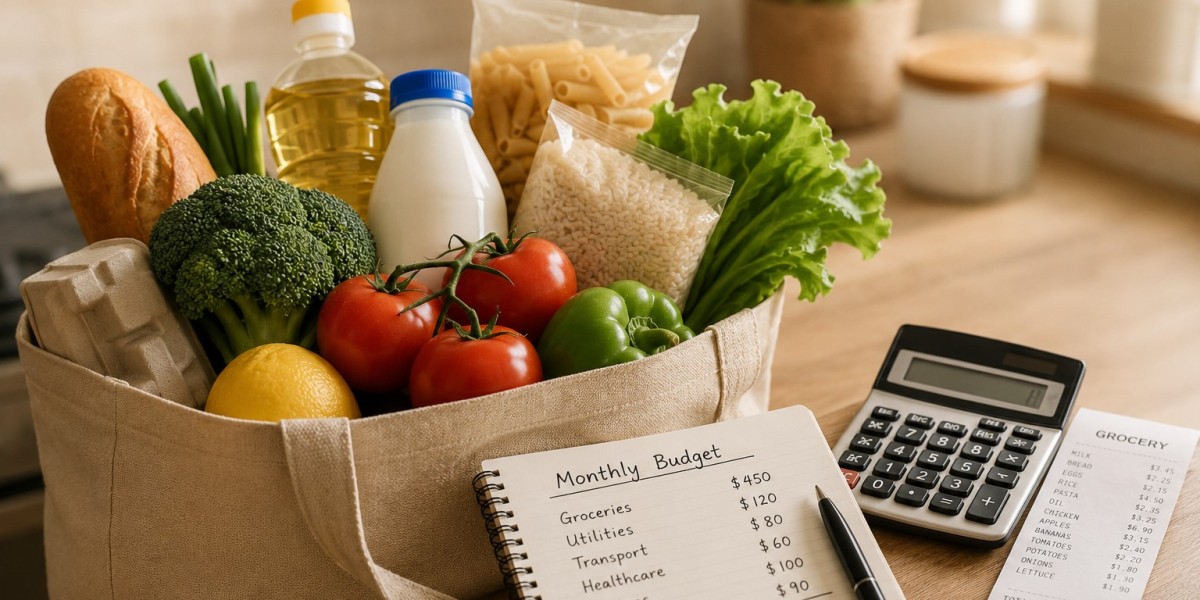

Grocery prices have increased significantly in recent years, making it more challenging for families and individuals to stay within their monthly budgets. From fresh produce and dairy products to pantry essentials and household supplies, many everyday items now cost more than they did just a few years ago.
While rising food costs can create financial pressure, there are practical ways to manage expenses without sacrificing nutrition or quality. By developing smart shopping habits, planning meals carefully, and making informed purchasing decisions, households can maintain control over their budgets even during periods of higher prices.
This guide explains effective strategies for dealing with rising grocery costs while keeping your household finances on track.
Why Grocery Prices Are Increasing
Several factors contribute to higher grocery prices.
Supply chain disruptions, transportation costs, labor expenses, weather-related challenges, and global economic conditions all influence the cost of food production and distribution.
As these costs rise, retailers often pass some of the increases on to consumers. While individual shoppers cannot control market conditions, they can adjust their shopping habits to reduce the impact on their household budget.
Understanding why prices rise can help consumers make more strategic decisions when purchasing food and household essentials.
Create a Monthly Grocery Budget
The first step in managing grocery expenses is setting a realistic budget.
Review your recent spending habits and determine how much you can comfortably allocate to groceries each month.
When creating a grocery budget:
Track previous grocery expenses
Separate essential and non-essential purchases
Set spending limits
Monitor weekly spending
Adjust as needed
A clear budget provides structure and helps prevent overspending.
Plan Meals Before Shopping
Meal planning is one of the most effective ways to reduce grocery expenses.
Before visiting a store, create a weekly meal plan based on the ingredients you already have at home.
Meal planning helps:
Reduce impulse purchases
Prevent food waste
Simplify shopping trips
Improve spending control
When meals are planned in advance, shoppers are less likely to buy unnecessary items.
Make a Shopping List and Stick to It
A detailed shopping list can significantly improve spending habits.
Before shopping, write down exactly what you need based on your meal plan and household requirements.
Avoid adding items that were not part of your original plan unless they are truly necessary.
Sticking to a list helps reduce impulse buying, which is one of the most common causes of overspending at grocery stores.
Compare Prices Before Buying
Prices can vary between stores, even for the same products.
Taking a few minutes to compare prices can result in meaningful savings over time.
Consider:
Local grocery stores
Discount retailers
Wholesale clubs
Online grocery platforms
Comparing prices allows consumers to identify better deals and maximize their budgets.
Buy Store Brands When Possible
Many store-brand products offer similar quality to national brands at lower prices.
Store brands often provide savings on:
Pantry staples
Dairy products
Frozen foods
Cleaning supplies
Household essentials
Trying store-brand alternatives can reduce overall grocery expenses without significantly affecting quality.
Reduce Food Waste
Food waste is one of the biggest hidden expenses in many households.
When food is thrown away, money is wasted as well.
To reduce waste:
Store food properly
Use leftovers creatively
Freeze excess ingredients
Rotate older products first
Check expiration dates regularly
Making better use of purchased food helps stretch the grocery budget further.
Focus on Seasonal Produce
Seasonal fruits and vegetables are often more affordable because they are readily available and require fewer transportation resources.
Benefits of buying seasonal produce include:
Lower prices
Better freshness
Improved flavor
Greater availability
Shopping according to seasonal availability can reduce costs while maintaining a healthy diet.
Avoid Shopping When Hungry
Shopping while hungry can lead to unnecessary purchases.
People tend to buy more snacks, convenience foods, and impulse items when they shop on an empty stomach.
A simple meal or snack before shopping can help improve decision-making and reduce unnecessary spending.
Use Discounts and Loyalty Programs
Many grocery stores offer loyalty programs, coupons, and promotional discounts.
Smart shoppers regularly take advantage of:
Digital coupons
Weekly sales
Reward programs
Cashback offers
Bulk discounts
These savings may seem small individually but can add up significantly over time.
Build a Pantry of Essential Staples
Maintaining a pantry stocked with affordable staples can help reduce grocery costs.
Useful pantry items include:
Rice
Pasta
Beans
Oats
Canned vegetables
Cooking oils
Having these essentials available makes meal planning easier and reduces reliance on expensive last-minute purchases.
Balance Cost and Nutrition
Saving money should not come at the expense of proper nutrition.
Focus on nutrient-dense foods that provide good value, such as:
Eggs
Beans
Whole grains
Seasonal vegetables
Frozen fruits
Lean proteins
A balanced approach helps households stay healthy while managing expenses effectively.
Common Grocery Budget Mistakes
Many households unknowingly increase grocery costs through avoidable habits.
Common mistakes include:
Shopping without a list
Ignoring price comparisons
Buying excessive quantities
Wasting leftovers
Purchasing unnecessary convenience foods
Recognizing these habits can help improve long-term spending control.
Conclusion
Rising grocery prices present challenges for many households, but effective budgeting and smart shopping strategies can help reduce financial pressure.
By planning meals, comparing prices, reducing waste, using discounts, and focusing on value, consumers can manage grocery expenses more effectively while maintaining a healthy lifestyle.
The key is consistency. Small changes in shopping habits often lead to meaningful savings over time, helping households stay financially stable even as food prices continue to rise.
Frequently Asked Questions (FAQs)
1. Why are grocery prices increasing?
Factors such as supply chain costs, transportation expenses, labor costs, and economic conditions contribute to higher grocery prices.
2. How can I lower my grocery bill?
Meal planning, shopping with a list, comparing prices, and reducing food waste are effective ways to lower grocery expenses.
3. Are store-brand products worth buying?
Many store-brand products offer similar quality to national brands at lower prices.
4. Does meal planning really save money?
Yes. Meal planning reduces impulse purchases, minimizes food waste, and helps shoppers buy only what they need.
5. What foods provide the best value for money?
Beans, rice, oats, eggs, seasonal produce, and whole grains often provide excellent nutritional value at affordable prices.
6. How can I avoid overspending during grocery shopping?
Create a budget, make a shopping list, avoid shopping when hungry, and track spending regularly.