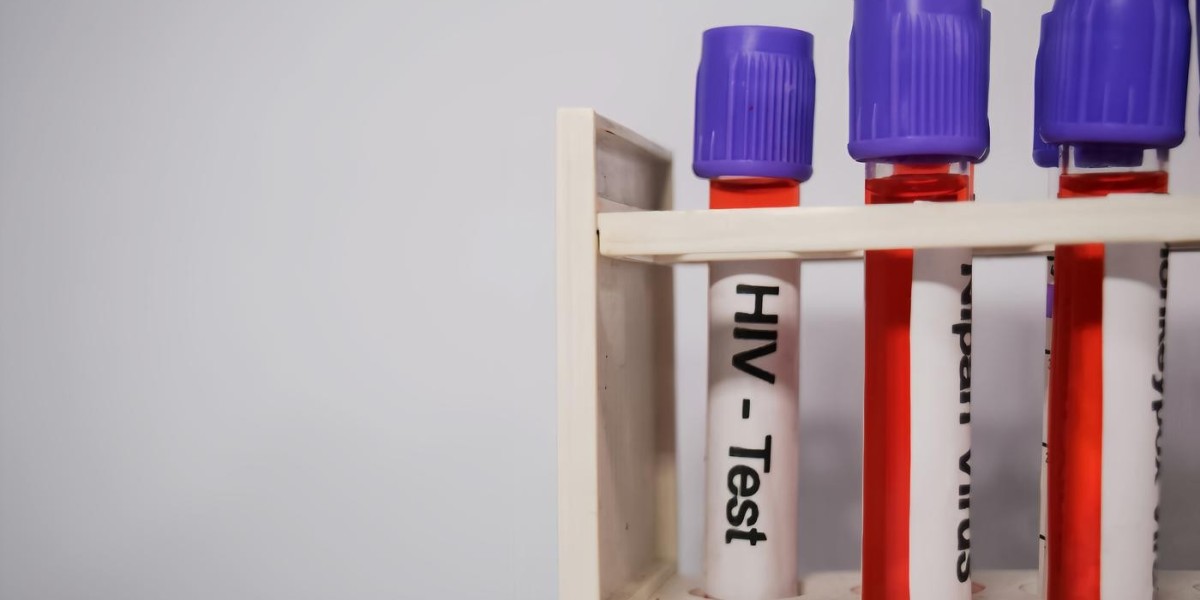

For many people, scheduling an HIV blood test for the first time can feel intimidating. Questions about the testing process, result accuracy, confidentiality, and what happens afterward often create uncertainty. However, getting tested is one of the most responsible actions you can take for your health and well-being.
An HIV Blood Test in Dubai provides valuable information about your HIV status and helps ensure early detection if infection is present. Whether you are seeking routine health screening, have experienced potential HIV exposure, or simply want peace of mind, understanding what to expect can make the experience much easier.
Why First-Time HIV Testing Is Important?
Many individuals delay HIV testing because they believe they are not at risk or because they feel healthy. However, HIV can remain in the body for years without causing obvious symptoms.
Without testing, a person may unknowingly carry the virus and miss the opportunity for early treatment. Modern HIV care has transformed the outlook for people living with HIV, making early diagnosis one of the most important factors in achieving positive health outcomes.
Getting tested for the first time can help:
Confirm your HIV status
Support preventive healthcare decisions
Reduce anxiety about the unknown
Enable early treatment if needed
Protect both your health and the health of others
Knowing your status empowers you to make informed choices about your future.
Before the Appointment: What You Should Know
One of the biggest concerns among first-time test takers is preparation. Fortunately, most HIV blood tests require very little preparation.
You generally do not need to:
Fast before testing
Change your diet
Stop regular medications
Follow complicated instructions
However, it may be helpful to think about the following before your appointment:
Your Testing History:
If you have previously taken any HIV screening tests, share that information with your healthcare provider.
Recent Exposure Timeline:
Knowing approximately when a possible HIV exposure occurred helps healthcare professionals choose the most appropriate testing method.
Questions You Want Answered:
Many first-time patients have concerns about HIV transmission, testing accuracy, treatment options, and confidentiality. Writing down questions beforehand can help ensure you receive all the information you need.
Understanding What an HIV Blood Test Detects:
To fully appreciate the value of HIV testing, it helps to understand what laboratories are actually looking for.
An HIV blood test may detect:
HIV antibodies
HIV antigens
HIV genetic material
Each of these markers provides evidence that the virus is present or that the body has responded to infection.
Modern HIV diagnostic testing is highly advanced and capable of identifying infection much earlier than older testing methods.
What Happens on Test Day?
Many first-time test takers imagine a complicated medical procedure, but the reality is much simpler.
Registration and Health Review:
When you arrive, healthcare staff may ask questions about your medical history, sexual health, and any possible HIV exposure.
These questions help determine which HIV testing approach is most appropriate for your situation.
Blood Sample Collection:
A healthcare professional will collect a small blood sample, usually from a vein in your arm.
The process typically takes only a few minutes and feels similar to routine blood work performed during annual health examinations.
Laboratory Analysis:
The sample is sent for evaluation using specialized equipment designed to detect HIV-related markers.
Waiting for Results:
The waiting period varies depending on the type of HIV test used and laboratory procedures.
Although waiting can feel stressful, understanding the testing process often helps reduce anxiety.
The Different Types of HIV Blood Tests Explained:
Healthcare providers may recommend different tests based on your circumstances and the timing of possible exposure.
Antibody Tests:
These tests identify antibodies created by the immune system after HIV infection. They are widely used and highly reliable when enough time has passed since exposure.
Antigen-Antibody Tests:
These advanced tests detect both HIV antibodies and p24 antigens. Because antigens appear earlier than antibodies, these tests support earlier diagnosis.
Nucleic Acid Tests:
Nucleic acid testing searches directly for HIV RNA in the bloodstream. It is particularly useful when recent infection is suspected.
Understanding these options can help first-time test takers feel more informed and confident about the testing process.
The Window Period: Why Timing Matters
One of the most important concepts for first-time testers is the HIV window period.
The window period is the time between HIV exposure and when a test can accurately identify infection.
During this period:
HIV may be present in the body
The virus can potentially be transmitted to others
Some tests may not yet detect infection
This is why healthcare professionals sometimes recommend follow-up HIV testing after an initial negative result.
Testing at the right time improves the reliability of your results and ensures appropriate medical guidance.
Common Emotions First-Time Test Takers Experience:
Feeling nervous before an HIV blood test is completely normal. Many people experience a range of emotions before receiving their results.
Common feelings include:
Anxiety
Uncertainty
Fear of the unknown
Concern about confidentiality
Worry about potential outcomes
Understanding that these emotions are common can help reduce stress. Healthcare professionals who conduct HIV testing are trained to provide support, information, and guidance throughout the process.
Understanding Your HIV Test Results:
Receiving your results is often the most anticipated part of the testing journey.
Negative HIV Test Result:
A negative result means HIV was not detected during testing.
Depending on the timing of your test and possible exposure history, your healthcare provider may recommend additional testing if the window period has not yet passed.
Positive HIV Test Result:
A positive result indicates that HIV-related markers have been detected.
Because accurate diagnosis is critical, positive screening results are generally confirmed through additional testing before a final diagnosis is made.
Inconclusive Result:
Occasionally, a result may not clearly indicate whether HIV is present. In these cases, follow-up testing helps provide a definitive answer.
What Happens If HIV Is Detected?
Advances in HIV treatment have dramatically changed what it means to live with HIV.
If HIV is confirmed, healthcare providers typically develop a treatment plan that may include:
Antiretroviral therapy
Regular medical monitoring
Immune system assessments
Viral load testing
Ongoing healthcare support
With consistent treatment, many individuals living with HIV maintain healthy immune function and enjoy long, productive lives.
Early diagnosis remains one of the strongest predictors of successful health outcomes.
Tips to Make Your First HIV Test Experience Easier:
If you are preparing for your first HIV blood test, these practical strategies can help:
Learn the Facts:
Accurate information reduces fear and helps you approach testing with confidence.
Ask Questions:
Healthcare professionals are there to explain procedures, testing methods, and results.
Focus on Your Health Goals:
Remember that HIV screening is an important part of preventive healthcare and personal wellness.
Avoid Online Misinformation:
Rely on trusted medical sources rather than rumors or myths that can create unnecessary stress.
Bring Support If Needed:
Some people feel more comfortable discussing testing with a trusted friend, family member, or healthcare professional.
Frequently Asked Questions About HIV Blood Testing:
Is HIV Testing Confidential?
Yes. Healthcare providers follow strict privacy and confidentiality standards regarding medical information.
Can HIV Be Detected Immediately After Exposure?
Not always. Detection depends on the type of test used and the length of the window period.
Are HIV Blood Tests Accurate?
Modern HIV blood tests are highly accurate when performed at the appropriate time after potential exposure.
Should Healthy People Get Tested?
Routine HIV screening is recommended as part of preventive healthcare, even for individuals who feel healthy.
Final Thoughts for First-Time Test Takers
Taking your first HIV blood Lab tests may feel like a significant step, but it is ultimately a positive investment in your health. Understanding how HIV testing works, what to expect during the process, and how results are interpreted can make the experience far less intimidating.
An HIV blood test provides valuable knowledge, supports early diagnosis, and helps individuals make informed healthcare decisions. Whether your goal is routine health monitoring, peace of mind, or addressing a possible exposure, getting tested is a proactive step toward protecting your future health and maintaining overall well-being.