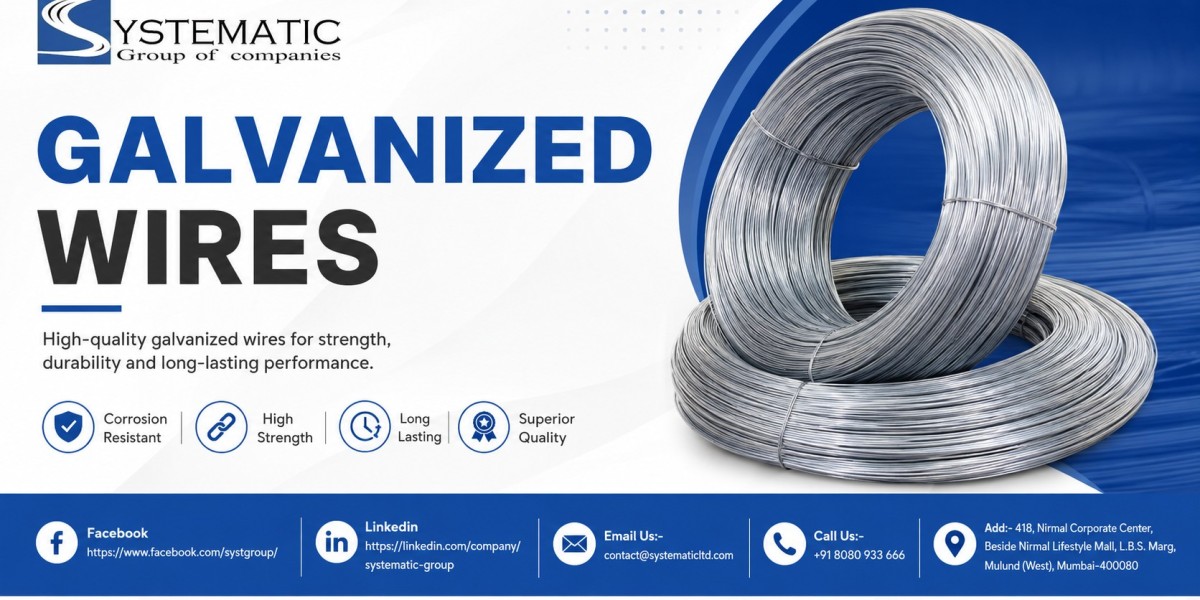

In the world of construction, manufacturing, and agriculture, the materials chosen for a project determine its longevity and structural integrity. Among the most widely used materials in these industries is steel wire. However, raw steel wire has a significant weakness galvanized wires: it is prone to rust and corrosion when exposed to moisture and oxygen. To combat this, industry professionals rely on a specialized solution known as galvanized wire. This material has become a cornerstone in modern engineering and DIY projects due to its robust protective qualities.
What is Galvanized Wire?
Galvanized wire is a steel wire that has been coated with a thin layer of zinc to prevent corrosion. The steel provides the core strength and ductility required for various applications, while the zinc coating acts as a sacrificial barrier. This means that the zinc will oxidize before the steel does, protecting the metal underneath from rusting even if the surface is scratched or damaged. This combination results in a product that retains the mechanical properties of high-carbon steel while gaining the weather-resistant properties of zinc.
The Galvanization Process
The process of applying the zinc coating is critical to the wire's performance. There are generally two primary methods used to manufacture galvanized wire, each offering distinct characteristics suited for different environments.
Hot-Dip Galvanizing: In this process, the steel wire is cleaned and then immersed in a bath of molten zinc at temperatures approaching 450 degrees Celsius. The zinc reacts with the iron in the steel to form zinc-iron alloy layers. This method produces a thick, durable coating that is highly resistant to mechanical damage. It is the preferred choice for outdoor applications where the wire will be exposed to harsh weather.
Electro-Galvanizing: This method uses an electrical current to deposit zinc ions onto the surface of the steel wire. The coating produced is thinner and smoother than hot-dipped wire.
While it offers excellent aesthetics and a uniform finish, it generally provides less corrosion protection than the hot-dip method. Electro-galvanized wire is typically used for indoor applications or where the aesthetic finish is a priority over extreme durability.
Key Benefits of Using Galvanized Wires
The popularity of galvanized wire stems from its unique set of advantages over non-coated or painted steel wire. These benefits make it a cost-effective solution for long-term projects.
Superior Corrosion Resistance: The primary benefit is the extended lifespan of the wire. The zinc coating provides a physical barrier against moisture, rain, and humidity.
Cost-Effectiveness: Compared to stainless steel, galvanized wire is significantly cheaper while still offering excellent protection against rust. It provides an ideal balance between performance and price.
High Strength and Durability: The underlying steel wire maintains its high tensile strength, making it capable of bearing heavy loads and resisting breakage under tension.
Low Maintenance: Once installed, galvanized wire requires very little maintenance. It does not need to be painted or treated regularly, saving time and money on upkeep.
Sacrificial Protection: As mentioned, even if the wire is cut or scratched, the surrounding zinc will corrode first, protecting the exposed steel from rusting.
Common Applications of Galvanized Wire
Due to its versatility, galvanized wire is utilized across a vast array of industries. Its ability to withstand environmental stress makes it suitable for both heavy-duty industrial use and simple household tasks.
Construction and Infrastructure: In the construction sector, galvanized wire is often used for binding rebar (reinforcing bars) together. The tension holds the steel mesh in place during concrete pouring, and the zinc coating prevents the binding wire from rusting and weakening the structure over time.
Agriculture and Fencing: Farmers widely use galvanized wire for fencing livestock and protecting crops. Whether it is for barbed wire fences, chicken wire (poultry netting), or trellising for vines, the wire must withstand rain, sun, and soil contact without deteriorating.
Manufacturing and Mesh Production: Many types of wire mesh, including welded wire mesh and chain link fencing, are manufactured using galvanized wire. These meshes are used for safety barriers, window guards, and industrial filtration.
Arts and Crafts: Artists and sculptors often prefer galvanized wire for creating armatures for clay sculptures or for wire art jewelry because it is sturdy yet malleable enough to bend into shape.
Packaging and Shipping: Heavy-duty galvanized wire is frequently used in the packaging industry to secure heavy bundles of goods, such as construction materials or waste paper, ensuring they remain stable during transport.
Factors to Consider When Choosing Galvanized Wire
Not all galvanized wires are created equal. Selecting the right type for a specific project requires attention to detail regarding the wire's specifications.
Gauge Size: The diameter of the wire is measured by its gauge. A lower gauge number indicates a thicker, stronger wire, while a higher gauge indicates a thinner, more flexible wire. The choice depends on the load-bearing requirements of the project.
Coating Thickness: The amount of zinc coating is measured in grams per square meter (g/m²). For outdoor or marine environments, a thicker coating is necessary to ensure longevity.
Tensile Strength: This refers to the maximum stress the wire can withstand while being stretched before breaking. High-tensile wire is required for structural support, whereas soft annealed wire is better for tying applications.
Conclusion
Galvanized wire is a fundamental material that bridges the gap between the strength of steel and the resilience of zinc. Its ability to resist corrosion ensures that structures remain safe, fences last for years, and manufactured goods are securely packaged. Whether through the hot-dip galvanized wires method for heavy-duty outdoor use or electro-galvanizing for precision indoor applications, this material offers reliability and cost-efficiency. By understanding the manufacturing processes and specific applications of galvanized wire, builders, farmers, and manufacturers can make informed decisions that enhance the durability and success of their projects.
Follow Us More Links:-
Follow Us On Facebook:- https://www.facebook.com/systgroup/
Follow Us On Linkedin:- https://linkedin.com/company/systematic-group
Email Us:- contact@systematicltd.com
Add:- 418, Nirmal Corporate Center, Beside Nirmal Lifestyle Mall, L.B.S. Marg, Mulund (West), Mumbai-400080
Call Us:- +91 8080 933 666