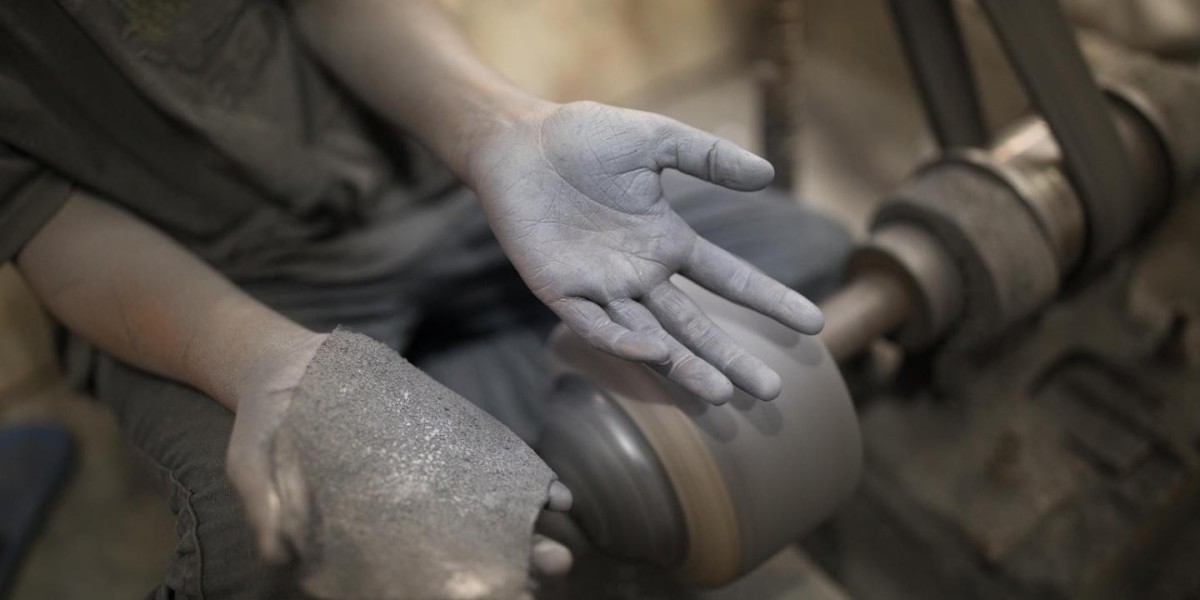

Childhood is a crucial stage of life that should be filled with learning, growth, play, and opportunities for development. Unfortunately, millions of children around the world are engaged in labour that deprives them of these fundamental experiences. Child labour remains a significant challenge, affecting children's rights, well-being, education, and future prospects.
The consequences of child labour extend far beyond the immediate hardships faced by working children. It impacts their physical and mental health, limits educational opportunities, and contributes to cycles of poverty and inequality. Organizations like CRY India work to protect children's rights and ensure that every child has the opportunity to live, learn, and grow in a safe environment.
What Is Child Labour?
Child labour refers to work that deprives children of their childhood, dignity, education, and potential. It includes activities that are mentally, physically, socially, or morally harmful and interfere with a child's ability to attend school and develop properly.
Children may be employed in agriculture, manufacturing, domestic work, construction, street vending, and other sectors where they are often exposed to unsafe and exploitative conditions.
Major Consequences of Child Labour
Loss of Educational Opportunities
One of the most serious consequences of child labour is the disruption of education. Many working children either never attend school or are forced to drop out to contribute to their family's income.
Without access to education, children miss the opportunity to acquire knowledge, skills, and qualifications that could improve their future prospects.
Physical Health Risks
Child labour often exposes children to hazardous working environments that can harm their physical development and health.
Common health risks include:
- Injuries from machinery and equipment
- Exposure to harmful chemicals
- Respiratory illnesses
- Malnutrition and exhaustion
- Musculoskeletal problems
These health issues can have long-term effects that continue into adulthood.
Negative Impact on Mental Health
Working at a young age can place significant emotional and psychological stress on children. Long working hours, harsh conditions, and exploitation may contribute to:
- Anxiety
- Depression
- Low self-esteem
- Emotional trauma
- Feelings of isolation
The emotional consequences of child labour can affect children's development and overall well-being.
Increased Vulnerability to Exploitation
Children engaged in labour are often vulnerable to abuse, exploitation, neglect, and violence. Many lack legal protection and may be subjected to unsafe working conditions, discrimination, and unfair treatment.
This exploitation violates children's rights and can have lasting effects on their physical and emotional health.
Restricted Social Development
Child labour limits opportunities for children to interact with peers, participate in recreational activities, and develop social skills. Missing out on these experiences can affect their confidence, communication abilities, and emotional growth.
Healthy social interactions are essential for a child's overall development and future success.
Perpetuation of Poverty
Although child labour may provide short-term financial support to families, it often contributes to long-term poverty. Children who miss educational opportunities are more likely to remain in low-paying jobs as adults.
As a result, poverty can continue across generations, making it difficult for families to achieve economic stability.
Impact of Child Labour on Society
The consequences of child labour extend beyond individual children and families. Society also experiences negative effects, including:
Reduced Human Capital
When children are denied education, communities lose potential skilled workers, professionals, and leaders who could contribute to economic and social development.
Slower Economic Growth
A workforce lacking education and skills can limit productivity and innovation, affecting long-term economic progress.
Increased Social Inequality
Child labour often reinforces existing inequalities by limiting opportunities for vulnerable populations and preventing upward social mobility.
How Can Child Labour Be Prevented?
Addressing child labour requires coordinated efforts from governments, communities, schools, families, and civil society organizations. Effective measures include:
- Ensuring access to quality education
- Strengthening child protection systems
- Supporting vulnerable families economically
- Raising awareness about child rights
- Enforcing child labour laws
- Promoting community participation
Organizations such as CRY India work to create sustainable solutions that help children remain in school and grow in safe environments free from exploitation.
Conclusion
The consequences of child labour affect every aspect of a child's life, from education and health to emotional well-being and future opportunities. It not only harms individual children but also hinders social and economic progress.
Eliminating child labour requires collective action and a commitment to protecting children's rights. By investing in education, awareness, and child protection, we can help ensure that every child enjoys a safe, healthy, and fulfilling childhood.
FAQs
1. What are the main consequences of child labour?
The major consequences include loss of education, poor physical and mental health, exploitation, restricted social development, and continued poverty.
2. How does child labour affect education?
Child labour often prevents children from attending school regularly or completing their education, limiting future opportunities.
3. What health risks are associated with child labour?
Children may face injuries, illnesses, malnutrition, exhaustion, and exposure to hazardous working conditions.
4. Why does child labour contribute to poverty?
Without education and skill development, children often remain trapped in low-paying jobs, continuing the cycle of poverty.
5. How can child labour be reduced?
Child labour can be reduced through quality education, stronger child protection measures, economic support for families, and effective enforcement of child labour laws.