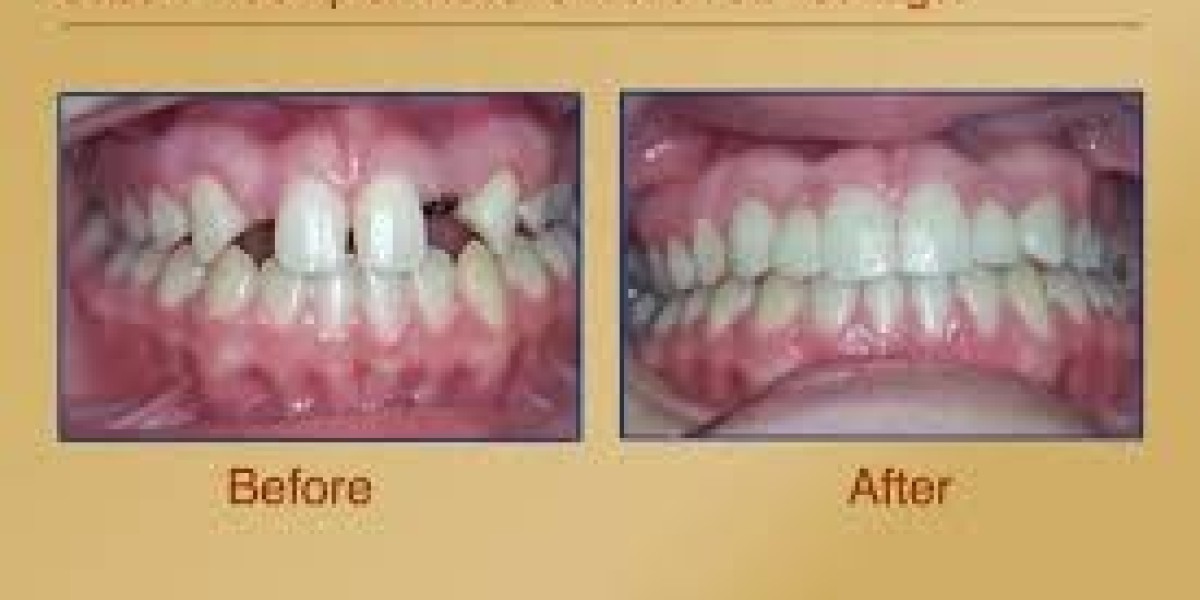

A healthy and attractive smile plays an important role in your confidence and overall oral health. Teeth are used every day for chewing, speaking, and smiling, so they are exposed to constant pressure and wear. Over time, teeth can become damaged due to decay, injury, grinding, or aging. When this happens, it can affect both the appearance and function of your teeth. Dental crowns offer a reliable and long-lasting solution to restore strength, protection, and natural appearance to damaged teeth.
Dental crowns are widely used in modern dentistry because they not only repair damaged teeth but also improve their look and functionality. They are custom-made to fit perfectly over your natural tooth, making them both comfortable and effective.
What Are Dental Crowns?
A dental crown is a specially designed cap that covers a damaged or weakened tooth completely. It restores the tooth’s shape, size, strength, and appearance. Once placed, it acts as a protective layer that allows the tooth to function normally again.
Crowns are made from different materials such as porcelain, ceramic, metal, or porcelain-fused-to-metal. Modern dental crowns are carefully designed to match the color and shape of your natural teeth, giving a natural and seamless appearance.
Why Are Dental Crowns Needed?
Dental crowns are recommended for several dental problems, including:
- Protecting a cracked or weak tooth from breaking further.
- Restoring a tooth with severe decay.
- Covering a tooth with a large filling.
- Strengthening a tooth after root canal treatment.
- Restoring a broken or worn-down tooth.
- Improving the appearance of discolored or misshapen teeth.
- Supporting dental bridges or implants.
Crowns help preserve natural teeth and prevent the need for extraction in many cases.
Benefits of Dental Crowns
Strong Protection for Teeth
Dental crowns provide a strong protective cover that shields the tooth from further damage. This helps maintain the structure of weakened teeth and prevents future complications.
Natural-Looking Appearance
One of the biggest advantages of dental crowns is their natural look. Porcelain and ceramic crowns are designed to match your surrounding teeth, making them almost unnoticeable.
Restored Functionality
Damaged teeth can make eating and speaking difficult. Dental crowns restore normal tooth function so you can chew and speak comfortably again.
Long-Lasting Solution
Dental crowns are made from strong materials that can last many years. With proper oral care, they provide a reliable long-term solution for damaged teeth.
Improved Confidence
A damaged tooth can affect your smile and confidence. Dental crowns improve the appearance of your teeth, helping you feel more confident in social and professional situations.
Types of Dental Crowns
Porcelain Crowns
Porcelain crowns are popular because they closely resemble natural teeth. They are often used for front teeth due to their excellent aesthetic results.
Ceramic Crowns
Ceramic crowns provide a natural appearance and are suitable for patients who prefer metal-free options.
Metal Crowns
Metal crowns are very strong and durable, making them ideal for back teeth that handle heavy chewing forces.
Porcelain-Fused-to-Metal Crowns
These crowns combine strength and aesthetics, offering a balance between durability and natural appearance.
The Dental Crown Procedure
Getting a dental crown usually involves two visits to the dentist.
First Visit
During the first appointment, the dentist examines the tooth and removes any decay or damage. The tooth is then reshaped to make space for the crown.
An impression of the tooth is taken and sent to a dental laboratory where the crown is custom-made. A temporary crown is placed to protect the tooth until the permanent crown is ready.
Second Visit
At the second visit, the temporary crown is removed and replaced with the permanent crown. The dentist checks the fit, color, and bite before permanently cementing it into place.
Caring for Your Dental Crown
Proper care is essential to make your dental crown last longer. Follow these tips:
- Brush your teeth twice daily with fluoride toothpaste.
- Floss regularly to clean around the crown.
- Avoid chewing very hard foods like ice or nuts.
- Do not use your teeth to open packages.
- Visit your dentist regularly for checkups and cleaning.
Good oral hygiene helps protect both the crown and the natural tooth underneath.
How Long Do Dental Crowns Last?
The lifespan of a dental crown depends on your oral hygiene habits, diet, and the material used. On average, dental crowns last between 10 and 15 years, and sometimes even longer with proper care.
Regular dental visits help ensure that your crown remains in good condition and functions properly.
Are Dental Crowns Worth It?
Dental crowns are a highly effective dental treatment that provides both cosmetic and functional benefits. They restore damaged teeth, protect them from further harm, and improve your smile’s appearance. By preserving natural teeth, crowns also help maintain long-term oral health.
Conclusion
Dental crowns are an excellent solution for restoring strength, protection, and natural appearance to damaged teeth. They help repair broken or weakened teeth, improve chewing ability, and enhance your smile. With their durability and natural look, dental crowns are one of the most trusted treatments in modern dentistry.