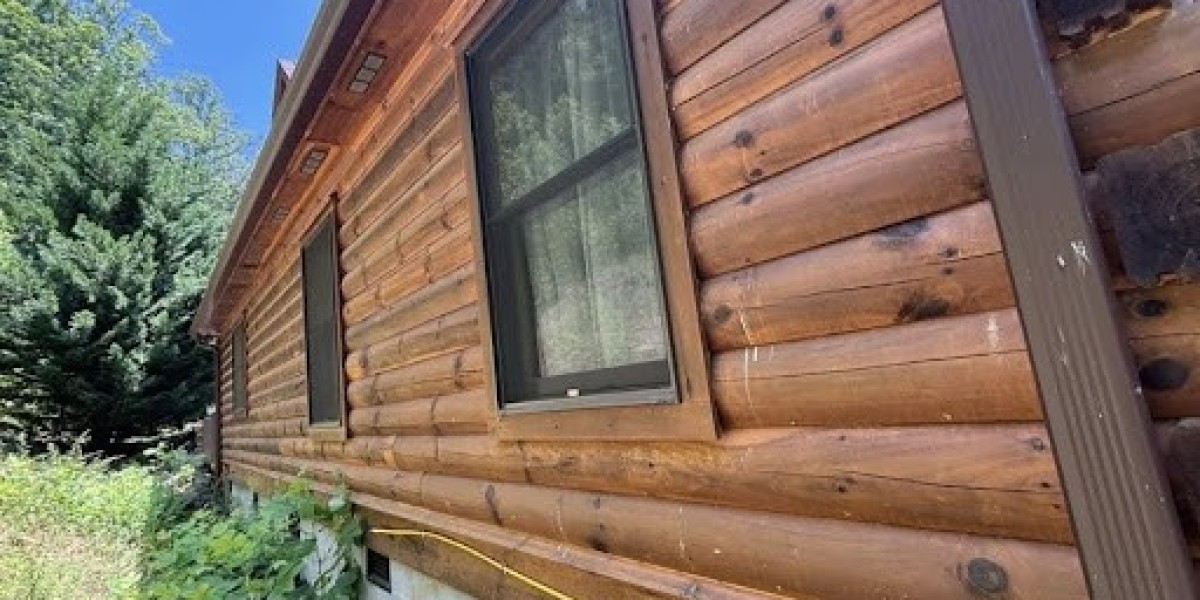

A lot of people buy a log home because they love the look. Rustic walls. Big beams. That warm cabin feel you just can’t fake with drywall. But here’s the thing nobody talks about enough — wood moves. It shifts with weather, moisture, heat, cold. And if your log home caulking starts failing, the whole house starts feeling it. Not overnight maybe, but slowly. Drafts creep in. Water sneaks through cracks. Bugs show up where they shouldn’t. Then suddenly you’re spending money fixing problems that could’ve been avoided earlier.
Truth is, good caulking isn’t just cosmetic. It’s protection. Real protection. A properly sealed log home stays stronger, cleaner, drier, and way more energy efficient over time. Cheap caulking jobs? They usually fail fast. Then homeowners wonder why the logs are staining unevenly or why the heating bill jumped through the roof last winter.
Air Leaks and Drafts Get Out of Control Fast
One of the biggest problems quality caulking solves is air leakage. Sounds simple, but it’s a huge deal. Tiny gaps between logs can let outside air push right into the home. In winter, cold air pours in. Summer? Hot humid air creeps through every weak seam. You may not even notice it at first except for rooms feeling “off” temperature-wise.
Then your HVAC system starts working overtime. Constantly. Bills go up. Comfort drops. It becomes annoying.
Good log caulking seals those movement gaps while still flexing naturally with the wood. That flexibility matters a lot. Logs expand and shrink seasonally. Rigid sealants crack apart eventually. Quality materials don’t. They stretch with the structure instead of fighting it.
And honestly, nobody wants to sit near a wall in January feeling cold air brushing against their neck. That gets old real quick.
Water Damage Starts Small but Gets Ugly
Water is probably the biggest enemy of any log structure. Not fire. Not bugs. Moisture.
When caulking fails, rainwater can sneak into gaps around logs, corners, windows, trim lines. Sometimes homeowners don’t catch it for months because the damage happens inside first. Rot starts quietly. Mold follows. Staining appears later. By the time visible signs show up, repairs can get expensive fast.
The short answer is this: quality caulking acts like a shield. It blocks water intrusion before it becomes structural damage.
And not all cracks are obvious either. Some are hairline separations you barely notice standing ten feet away. But water finds them anyway. Always does.
A solid sealing job also helps preserve stain life because moisture isn’t constantly working underneath the finish. That alone can save a homeowner thousands over time.
Keeping Insects Out Is Half the Battle
Let’s be real. Bugs love tiny openings.
Carpenter bees, ants, spiders, wasps, even stink bugs — they all look for access points around poorly sealed logs. Once insects start getting inside wall gaps, things get messy. Some pests simply annoy you. Others damage wood. Carpenter ants especially can create real headaches if moisture already softened parts of the structure.
Quality caulking closes those entry points down tight. Not perfectly forever, because homes still need maintenance, but it dramatically reduces the problem.
And homeowners usually underestimate how many little openings exist around a log house. Corners. Settling cracks. Window joints. Utility penetrations. There’s a lot going on.
Good contractors know where failures usually happen first. That experience matters more than people think.
Rotting Logs Often Begin Around Failed Seams
This is where neglect gets expensive.
Once water and moisture repeatedly enter around failed seams, logs begin breaking down. Maybe slowly at first. Then faster. The outer fibers soften, staining darkens unevenly, and eventually sections may need repair or replacement.
Replacing damaged logs isn’t cheap work either. Skilled restoration crews cost money because the work takes time and precision.
That’s why preventive sealing matters so much. A high-quality caulking system helps keep logs dry enough to breathe properly without trapping damaging moisture inside. There’s a balance there. Too sealed in the wrong way can cause issues too. Experienced log home specialists understand this stuff.
Some homeowners wait until they physically see rotting wood before acting. Bad idea honestly. By then, the damage has usually spread farther than expected.
Energy Efficiency Improves More Than You’d Expect
People often think insulation alone controls energy efficiency. Nope. Air sealing matters just as much sometimes more.
When log joints leak air, your heating and cooling systems constantly fight temperature loss. That means higher utility bills month after month. A properly caulked home holds conditioned air inside where it belongs.
And the difference can actually feel noticeable. Rooms become more consistent. Less temperature swing. Less humidity creep during summer months too.
Quality caulking products are designed to remain flexible for years while resisting UV damage and weather breakdown. Cheap materials dry out faster. Then cracks reopen and the cycle starts all over again.
You know what’s frustrating? Paying for premium heating and cooling equipment while your walls leak air through failed seams. Happens more often than people admit.
Cracks Around Windows and Doors Cause Bigger Problems
Windows and doors are weak spots on log homes. Always have been.
Logs settle naturally over time. Even in older homes. That movement places stress around frames and trim areas. If the caulking there starts separating, leaks happen fast. Water intrusion around windows especially can create hidden rot behind trim boards long before anyone notices.
Good caulking helps absorb movement without tearing apart. That flexibility is key.
Sometimes homeowners blame the window itself when the actual issue is failing sealant around the frame. Seen it happen plenty of times. A quality resealing job often fixes drafts and leaks immediately without replacing expensive windows.
That’s why inspections matter. Little failures don’t stay little forever.
Long-Term Log Cabin Maintenance Gets Easier
Here’s something people don’t always think about — preventative work reduces future maintenance headaches. A home with quality caulking generally needs less emergency repair work over the years. That’s just reality.
Consistent sealing helps protect finishes, reduces moisture exposure, keeps pests out, and slows wear on the logs themselves. All of that supports better log cabin maintenance overall. And honestly, maintenance on log structures never fully stops. That’s part of ownership. But smart upkeep makes the process way less painful.
Ignoring caulking issues usually creates a domino effect. One small failure turns into several expensive ones later. Homeowners who stay ahead of sealing problems almost always save money long term.
Conclusion
At the end of the day, caulking is one of those things people barely notice until it fails. Then suddenly it matters a lot. Drafts, leaks, bugs, rot, rising utility bills — most of these problems trace back to openings that should’ve been sealed properly from the start.
Quality log home caulking protects more than appearance. It protects the structure itself. And in a log home, that matters big time. Wood needs care. It needs flexibility. It needs proper sealing done by people who actually understand how log homes behave through changing seasons.
Because once damage starts spreading through logs, repairs get expensive fast. Better to deal with the seams early than deal with restoration later.