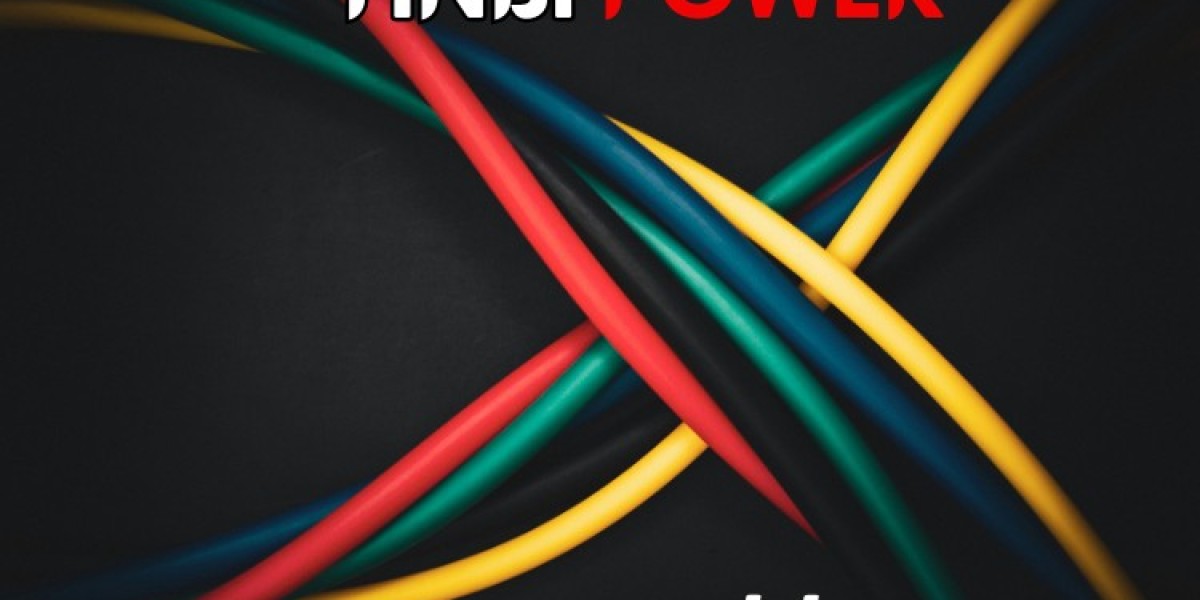

In today’s rapidly expanding energy infrastructure, the demand for efficient, durable, and high-performance power cable systems has increased significantly. From urban electrification to industrial power distribution and renewable energy integration, power cables play a critical role in ensuring stable and uninterrupted electricity flow.
For utilities, EPC contractors, and procurement teams, selecting the right cable type is not just a technical decision it directly impacts system efficiency, safety, maintenance cost, and long-term reliability. This is where advanced manufacturing expertise from companies like HNBF Power becomes essential, offering engineered solutions for modern transmission and distribution challenges.
What is a Power Cable?
A power cable is an electrical cable designed to transmit and distribute electrical energy efficiently from one point to another. It typically consists of:
- Conductive core (usually aluminum or copper)
- Insulation layer
- Protective sheathing
- Sometimes additional shielding or armor depending on application
Power cables are used across low, medium, and high-voltage systems, making them essential for residential, commercial, industrial, and utility-scale power networks.
Their primary function is to ensure minimal power loss, safe energy transfer, and protection against environmental and electrical stress.
Types of Power Cables Used in Modern Electrical Systems
Different applications require different conductor and cable designs. Below are the most widely used types in the industry.
AAC (All Aluminium Conductor)
AAC cables are made entirely of aluminum strands. They are commonly used in urban distribution networks where short spans and high conductivity are required.
Key advantages:
- High conductivity
- Lightweight design
- Cost-effective for short-distance distribution
AAAC (All Aluminium Alloy Conductor)
AAAC cables use aluminum alloy instead of pure aluminum, offering improved mechanical strength and corrosion resistance.
Key advantages:
- Better strength-to-weight ratio
- Higher corrosion resistance
- Suitable for coastal and industrial environments
ACSR (Aluminium Conductor Steel Reinforced)
ACSR cables combine aluminum strands with a steel core for enhanced mechanical strength, making them ideal for long transmission spans.
Key advantages:
- High tensile strength
- Suitable for long-distance overhead lines
- Excellent durability under high mechanical stress
ABC (Aerial Bundled Cable)
ABC cables are insulated overhead power cables designed for safe urban distribution, reducing risks of short circuits and theft.
Key advantages:
- Enhanced safety due to insulation
- Reduced line losses and faults
- Ideal for densely populated areas
LV Power Cable (Low Voltage)
Low voltage cables are used in residential and commercial buildings for electricity distribution up to 1kV.
Key advantages:
- Safe indoor and underground usage
- Flexible installation options
- Stable performance in low-voltage networks
Concentric Cable
Concentric cables are designed with a central conductor surrounded by concentric neutral wires, commonly used in service connections.
Key advantages:
- High safety in distribution systems
- Reduced electromagnetic interference
- Ideal for underground service lines
Applications of Power Cables in Modern Infrastructure
The versatility of power cable systems makes them essential across multiple industries:
- National grid transmission networks
- Urban and rural electrification projects
- Renewable energy systems (solar and wind farms)
- Industrial manufacturing plants
- Commercial building power distribution
- Underground and overhead utility networks
As global energy demand increases, power cables are becoming more advanced to support higher loads, longer distances, and improved efficiency standards.
Key Factors to Consider When Selecting Power Cable
Choosing the right power cable is critical for system reliability and cost efficiency. Engineers and procurement specialists typically evaluate the following factors:
Voltage Rating and Load Capacity
The cable must match system voltage levels and expected load demand to avoid overheating and energy loss.
Conductor Material
Aluminum and aluminum alloy are widely used due to their balance of conductivity, weight, and cost efficiency.
Environmental Conditions
Temperature, humidity, corrosion risk, and wind load significantly impact cable performance.
Mechanical Strength
For overhead transmission lines, tensile strength is critical, especially for long-span installations.
Safety Standards and Compliance
Cables must meet international quality and safety standards to ensure long-term operational reliability.
HNBF Power: Engineering Reliable Power Cable Solutions
With increasing global demand for stable electricity infrastructure, HNBF Power focuses on manufacturing high-performance overhead conductors and power cable systems designed for utility-scale applications.
HNBF Power integrates advanced production technology, strict quality control processes, and engineering expertise to deliver:
- AAC, AAAC, ACSR conductors for transmission networks
- ABC cables for safe urban electrification
- LV power cable systems for distribution projects
- Custom-engineered conductor solutions for EPC projects
Each product is designed to meet international performance standards, ensuring durability, conductivity efficiency, and mechanical reliability under demanding environmental conditions.
Market Demand Trends for Power Cable Industry
The global power cable market is experiencing steady growth due to several key factors:
Expansion of Power Infrastructure
Developing regions are heavily investing in new transmission and distribution systems.
Renewable Energy Integration
Solar and wind energy projects require advanced cabling systems for efficient power transfer.
Urbanization and Smart Cities
Modern cities demand underground and insulated cable systems like ABC and LV cables for safer distribution.
Grid Modernization
Utilities are upgrading old infrastructure with high-performance conductors such as ACSR and AAAC.
Industrial Growth
Manufacturing and heavy industries require stable and high-capacity power supply systems.
These trends indicate a strong long-term demand for high-quality and efficient power cable solutions worldwide.
Conclusion
A reliable power cable system is the backbone of any electrical infrastructure. From overhead transmission lines to underground distribution networks, selecting the right conductor type ensures efficiency, safety, and long-term cost savings.
With a strong focus on engineering excellence, HNBF Power delivers advanced conductor and cable solutions tailored to the evolving needs of global power networks.
FAQs
1. What is the main purpose of a power cable?
A power cable is used to transmit electrical energy efficiently from generation sources to distribution points with minimal loss and high safety.
2. What is the difference between ACSR and AAAC cables?
ACSR cables use a steel core for higher mechanical strength, while AAAC cables use alloy aluminum for better corrosion resistance and lighter weight.
3. Where are ABC cables commonly used?
ABC cables are widely used in urban and residential areas for overhead distribution due to their insulated and safe design.
4. How do I choose the right power cable for my project?
Selection depends on voltage level, load requirements, environmental conditions, and mechanical strength needs.
5. Does HNBF Power provide customized cable solutions?
Yes, HNBF Power offers customized overhead conductor and power cable solutions based on project requirements and utility standards.
Contact HNBF Power for Custom Solutions
For engineers, EPC contractors, and procurement teams seeking reliable and efficient power cable systems, HNBF Power provides tailored manufacturing solutions designed for modern electrical infrastructure needs.
Contact HNBF Power to discuss your project requirements and get customized conductor and cable solutions engineered for performance, durability, and long-term reliability.