
For those seeking a definitive solution to unwanted hair growth, the transition from temporary grooming to permanent medical aesthetics is a significant milestone. While many methods claim to offer long-term results, electrolysis hair removal remains the only procedure legally recognized as permanent by the FDA and the American Medical Association. This distinction is vital for patients who are tired of the repetitive cycle of shaving and waxing and desire a medically backed, permanent conclusion to their hair concerns.
What is Electrolysis hair removal?
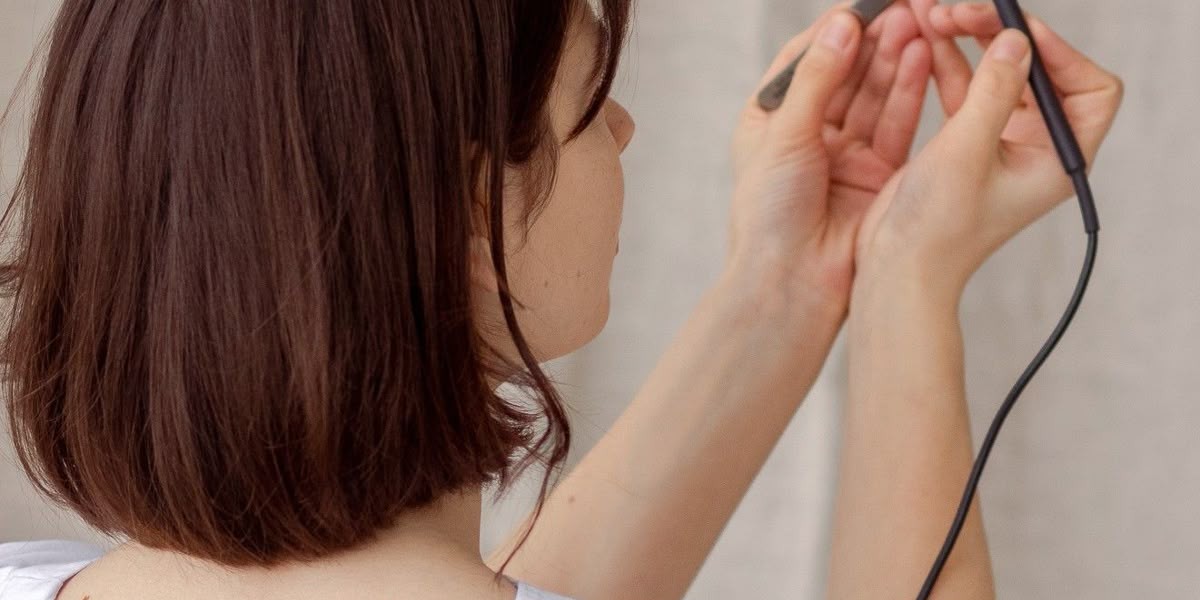
To define this procedure accurately, one must look at it as a form of microsurgery for the skin. It involves the use of a sophisticated device that delivers a precise amount of electricity through a hair-thin probe. This probe is inserted into the natural opening of the hair follicle, targeting the specific area responsible for hair regeneration.
In our clinical experience, this method is favored because it does not rely on skin-to-hair contrast. Whether a patient has very dark skin, very light hair, or even grey and white hair, the procedure remains equally effective. By focusing on the internal structure of the follicle rather than the external pigment, we can achieve results that other light-based technologies simply cannot provide.
How Electrolysis hair removal Works
The biological mechanism behind the treatment is the total destruction of the germinative cells within the hair follicle. There are three primary modes of action used in a clinical setting: thermolysis, which uses high-frequency alternating current to produce heat; galvanic, which uses direct current to create a chemical reaction; and the blend method, which combines both.
What patients typically report during recovery is a sense of satisfaction as they notice the treated hairs sliding out without resistance. The electrical energy effectively cauterizes the dermal papilla—the blood supply to the hair. Without this nutrient source, the follicle loses its ability to produce a new hair shaft, resulting in a permanent cessation of growth in that specific pore.
Purpose and Intent of the Treatment
The primary purpose of choosing this path is to address hair growth at its biological source. Many individuals seek this treatment for medical reasons, such as hirsutism caused by hormonal fluctuations, while others choose it for the convenience of never having to shave again. It is also an essential tool for gender-affirming care, providing a permanent solution for facial hair.
Beyond aesthetics, the treatment serves a functional purpose in preventing skin conditions. Chronic shaving often leads to pseudofolliculitis barbae (ingrown hairs) and skin darkening. By permanently removing the hair, the skin is allowed to recover its natural texture and tone, free from the constant trauma of razors and chemical depilatories.
Clinical Benefits of Permanent Destruction
The benefits of a completed treatment plan are both physical and psychological. Because the method is highly targeted, it allows for incredible precision, which is necessary for small areas of the face or for creating a defined border on a beard or hairline.
Reliability: The only method that can guarantee 100% hair removal over time.
Versatility: Safe for use on any part of the body, including sensitive areas like the ears or nose.
Skin Health: Eliminates the risk of ingrown hairs and razor burn permanently.
Inclusivity: Effective on all hair colors—including red, blonde, and grey—and all skin types.
Who Can Benefit Most from This Procedure?
While anyone can undergo this treatment, ideal candidates are often those with localized hair growth that has proven resistant to other methods. This includes women dealing with chin or upper lip hair due to PCOS, or men who want to permanently shape their necklines. It is also the only option for people whose hair is too light or skin too dark for traditional laser systems to be safe or effective.
The Step-by-Step Treatment Protocol
The clinical procedure is a meticulous process that requires a steady hand and a keen eye. A typical session follows these medical steps:
Sanitization: The target area is thoroughly cleansed to prevent any bacterial entry.
Insertion: The electrologist uses a microscopic probe, sliding it along the hair shaft into the follicle.
Current Application: A controlled pulse of energy is delivered for a fraction of a second.
Hair Removal: The treated hair is lifted out with sterile tweezers; it should slide out effortlessly.
Post-Treatment Calming: A soothing, antibacterial agent is applied to the skin to begin the healing process.
Target Zones for Clinical Success
| Zone | Focus Area | Session Duration |
| Facial Area | Chin, Lip, Sideburns | 15–45 Minutes |
| Body Areas | Underarms, Bikini, Abdomen | 30–60+ Minutes |
| Precision Areas | Eyebrows, Ears, Fingers | 15–30 Minutes |
| Corrective Work | Ingrown hairs, Scattered follicles | As needed |
Understanding Investment and Price Considerations
While we do not provide specific price lists, the cost of a full clearance depends on the density of the hair and the individual's growth cycles. Because hair grows in stages, not every hair is visible at once. Therefore, a series of appointments is required to treat every follicle in its active phase. Viewing this as a long-term medical investment helps patients understand the value of the permanent results compared to a lifetime of temporary costs.
The Recovery Timeline and Healing
The recovery process for the skin is typically very fast, as the "injury" is confined to the microscopic follicle itself. Most patients find that any signs of the treatment disappear within a few days.
Hours 0–3: Localized redness and minor swelling (erythema and edema).
Day 1: Irritation usually subsides; skin may feel slightly sensitive.
Day 2–4: Tiny, protective crusts may form; these should be left to fall off naturally.
Week 1: The skin appears clear and the treated follicles begin to heal internally.
Safety and Side Effects Checklist
Safety is our absolute priority in every clinical session. Common side effects are temporary and include redness or a slight "sunburned" sensation. To ensure the highest safety standards, we use only sterile, single-use probes and maintain a surgical level of hygiene. It is important to avoid sun exposure immediately after a session to prevent any temporary pigment changes while the skin is in its initial healing phase.
Maintaining Your Results with Post-Treatment Care
Proper aftercare is essential to maximize the efficacy of your treatment. We advise patients to avoid touching the treated area to prevent breakouts. For the first 24 hours, skip heavy workouts, hot tubs, or makeup. If you must remove hair between appointments, you may only shave or clip the hair; you must never pluck or wax, as this can stimulate the follicle and undo the progress made during your sessions.
Conclusion
Embarking on a journey toward permanent hair removal is a decision that yields dividends in both time saved and increased self-confidence. We understand that clinical procedures can feel daunting, but our goal is to provide a professional, transparent, and empathetic environment for your care. At Tajmeels Clinic, our focus remains on the marriage of technical excellence and patient comfort. We are committed to helping you navigate the path to smooth skin with the authority and expertise that only a dedicated clinical team can offer. Your comfort and long-term results are our primary mission.