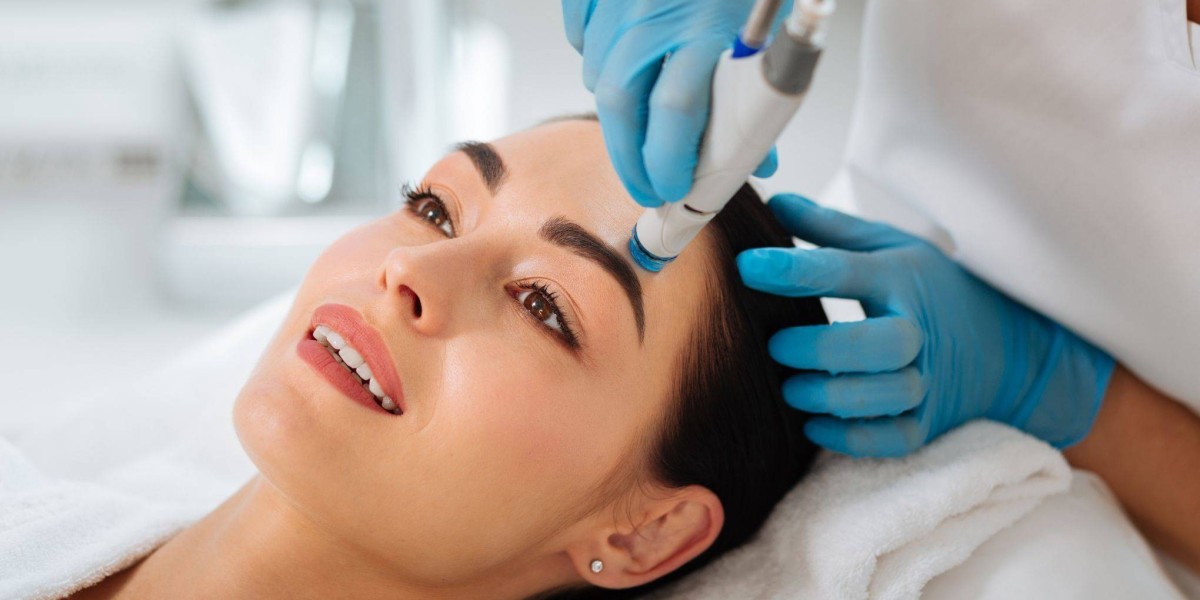

Hydrafacial treatment in Islamabad is one of the most popular non-invasive skincare treatments designed to deeply cleanse, exfoliate, and hydrate the skin. It is widely known for delivering instant glow and long-term skin improvement. One of the most common questions people ask before starting this treatment is how often it should be done to achieve the best results without over-treating the skin. The frequency of Hydrafacial sessions depends on several factors, including skin type, skin concerns, lifestyle, and overall skincare goals.
Understanding the right schedule is important because proper timing ensures that the skin continues to improve without becoming over-dependent on treatment. Hydrafacial treatment in Islamabad works best when it is integrated into a consistent skincare routine rather than being used as a one-time solution.
Standard Recommendation for Most Skin Types
For most individuals with normal, combination, or mildly problematic skin, a Hydrafacial session once every four weeks is generally recommended. This timeframe aligns with the skin’s natural regeneration cycle, which typically takes around 28 days.
By scheduling treatments monthly, the skin remains consistently clean, hydrated, and refreshed. Regular sessions help maintain clear pores, balanced oil production, and improved skin texture. This routine also ensures that dead skin cells do not accumulate, which can lead to dullness or clogged pores.
Frequency for Acne-Prone Skin
People dealing with acne or frequent breakouts may require more targeted care in the beginning stages of treatment. In such cases, dermatologists often recommend Hydrafacial sessions every two to three weeks initially.
This more frequent schedule helps deeply cleanse the pores, reduce excess oil, and control inflammation. Once the acne becomes more manageable, the frequency is usually reduced to once a month for maintenance. This gradual approach allows the skin to stabilize while preventing future breakouts.
Frequency for Oily Skin
Oily skin produces excess sebum, which can lead to shine, clogged pores, and blackheads. For individuals with oily skin, a Hydrafacial every three to four weeks is usually effective.
Regular cleansing and exfoliation help regulate oil production and keep the skin balanced. Over time, consistent treatments reduce the appearance of enlarged pores and improve overall skin clarity. This makes monthly maintenance a suitable long-term plan.
Frequency for Dry or Dehydrated Skin
Dry skin requires a focus on hydration and nourishment. For this skin type, Hydrafacial can be done every four to six weeks depending on the level of dryness.
Since the treatment infuses deep hydration into the skin, it helps restore moisture levels and improve elasticity. However, dry skin does not require overly frequent sessions because the goal is to maintain balance rather than stimulate oil control. A monthly or slightly extended interval is usually ideal.
Frequency for Aging or Mature Skin
As skin ages, it loses collagen, elasticity, and natural moisture. For individuals concerned with fine lines, wrinkles, or dullness, Hydrafacial every four weeks is highly beneficial.
Regular sessions help boost hydration, improve skin texture, and support a more youthful appearance. The treatment also enhances blood circulation and promotes better absorption of anti-aging serums, making it an effective long-term skincare strategy.
Frequency for Sensitive Skin
Sensitive skin requires careful handling to avoid irritation or redness. For this skin type, Hydrafacial is typically recommended every four to six weeks.
The gentle nature of the treatment makes it safe, but spacing sessions appropriately ensures that the skin is not overstimulated. Over time, Hydrafacial can actually strengthen the skin barrier, making it less reactive and more resilient.
Frequency Before Special Events
Many people choose Hydrafacial before weddings, parties, or important events because it provides instant radiance. In such cases, a single session three to five days before the event is ideal.
This timing allows the skin to fully absorb hydration and achieve a natural glow without any risk of post-treatment sensitivity. It is a popular choice for achieving camera-ready skin quickly.
Frequency Based on Skin Goals
The ideal frequency of Hydrafacial also depends on personal skincare goals. Those looking for long-term skin maintenance may benefit from monthly sessions, while individuals targeting specific concerns such as acne, pigmentation, or uneven texture may require a more structured plan at the beginning.
Once the desired results are achieved, the frequency is usually reduced to maintenance sessions every four to six weeks. This flexible approach ensures that the treatment adapts to evolving skin needs.
Signs You Need a Hydrafacial
Your skin often gives signals when it needs professional care. Dullness, dryness, clogged pores, uneven texture, or frequent breakouts are common signs that a Hydrafacial session may be beneficial.
If skincare products are not absorbing properly or your skin looks tired despite regular care, it may also indicate the need for a professional deep-cleansing treatment. Regular Hydrafacial sessions help reset the skin and restore its natural balance.
Can You Do Hydrafacial Too Often?
While Hydrafacial is safe and non-invasive, doing it too frequently is not recommended. Over-treatment can disrupt the skin’s natural balance and reduce its ability to regenerate on its own.
Following a professional schedule ensures that the skin benefits from the treatment without becoming dependent on it. The goal is to support natural skin health, not replace it.
Long-Term Benefits of Regular Hydrafacial
Consistent Hydrafacial treatments offer cumulative benefits over time. With regular sessions, skin becomes smoother, more hydrated, and more even in tone. Pores appear smaller, breakouts become less frequent, and the overall texture improves significantly.
The long-term advantage of Hydrafacial lies in its ability to maintain skin health rather than just providing temporary results. It supports the skin’s natural functions and helps it stay balanced despite environmental stress and aging.
Personalized Treatment Plans
There is no one-size-fits-all schedule for Hydrafacial. The ideal frequency should always be personalized based on skin condition, lifestyle, and professional advice. Consulting a skincare expert ensures that the treatment plan is safe, effective, and aligned with individual needs.
A customized approach delivers better results and ensures that the skin continues to improve over time without unnecessary stress.
Frequently Asked Questions
How often should Hydrafacial be done for normal skin
For normal skin, Hydrafacial is generally recommended once every four weeks.
Can Hydrafacial be done weekly
Weekly sessions are not usually necessary unless advised by a skincare professional for specific conditions.
Is monthly Hydrafacial enough for glowing skin
Yes, monthly sessions are sufficient for maintaining healthy and glowing skin for most people.
How many Hydrafacial sessions are needed for acne
Initial improvement may be seen in a few sessions, but ongoing monthly treatments are recommended for lasting results.
Can Hydrafacial frequency change over time
Yes, frequency can be adjusted based on skin improvement and changing skincare needs.
Final Thoughts
Hydrafacial is a flexible and highly effective skincare treatment that can be tailored to different skin types and concerns. While most people benefit from monthly sessions, the ideal frequency depends on individual skin conditions and goals. Consistent treatment helps maintain healthy, radiant, and well-balanced skin over time.
For professional skincare guidance and advanced Hydrafacial services, SKN Cosmetics offers expert treatments designed to deliver safe, effective, and long-lasting skin improvement