
Why Cat Ear Care Is Important
Maintaining your cat’s ear hygiene is an essential part of overall pet care. Cats are known for grooming themselves, but their ears often need extra attention from their owners. Dirt, wax buildup, and moisture can accumulate inside the ear canal, leading to infections or discomfort if not properly managed. At StarDotHash, we emphasize the importance of routine ear care to ensure your cat stays healthy and happy.
Clean ears not only prevent infections but also help you detect early signs of health issues. Regular checks can reveal problems such as mites, inflammation, or unusual discharge before they become serious.
What Is a Cat Ear Cleaner
A cat ear cleaner is a specially formulated solution designed to safely remove dirt, wax, and debris from your cat’s ears. Unlike water or homemade solutions, these cleaners are balanced to maintain the natural pH of your cat’s ear canal. They often contain gentle ingredients that help dissolve buildup while soothing the skin.
Using a proper ear cleaner ensures that your cat’s ears are cleaned effectively without causing irritation or damage. Products recommended by veterinarians are typically free from harsh chemicals and are safe for regular use.
Signs Your Cat Needs Ear Cleaning
It’s important to recognize when your cat’s ears need attention. Common signs include frequent scratching around the ears, head shaking, or a noticeable odor. You may also observe dark discharge, redness, or swelling inside the ear.
If your cat seems sensitive when you touch their ears or shows signs of discomfort, it may be time to clean them. Early intervention can prevent minor issues from developing into painful infections.
How to Use a Cat Ear Cleaner Safely
Cleaning your cat’s ears requires patience and a gentle approach. Start by choosing a quiet and comfortable environment where your cat feels relaxed. Hold your cat securely but gently to prevent sudden movements.
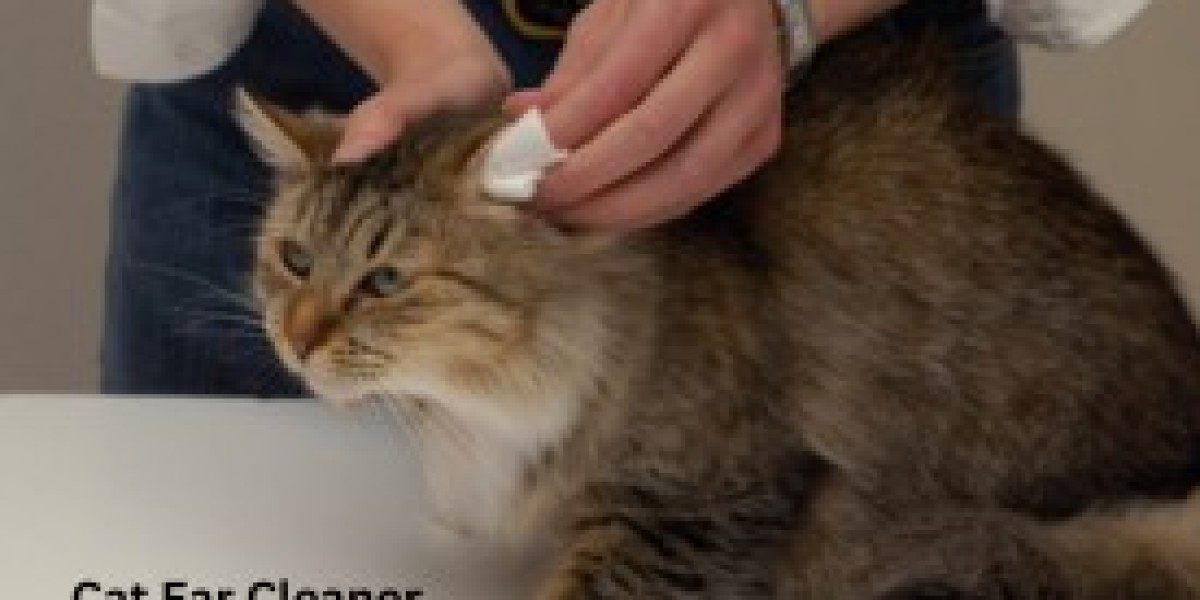
Apply a few drops of the ear cleaner into the ear canal as directed on the product label. Gently massage the base of the ear to help the solution break down debris. Allow your cat to shake its head, which helps bring loosened dirt to the surface. Use a soft cotton pad to wipe away any visible residue—never insert cotton swabs deep into the ear.
Consistency and calm handling will make the process easier over time for both you and your pet.
Choosing the Right Cat Ear Cleaner
Not all ear cleaners are created equal, so selecting the right one is crucial. Look for products specifically designed for cats, as their ears are more sensitive than those of other animals. Avoid cleaners with alcohol or strong fragrances, as these can cause irritation.
At StarDotHash, we recommend opting for veterinarian-approved formulas that are gentle yet effective. Reading product labels and understanding the ingredients can help you make a safe and informed choice.
Common Causes of Ear Problems in Cats
Several factors can contribute to ear issues in cats. Ear mites are one of the most common causes, especially in kittens or outdoor cats. Allergies, bacterial infections, and fungal growth can also lead to discomfort and inflammation.
Environmental factors such as dust and humidity may increase the risk of ear problems. Regular cleaning and monitoring can help reduce these risks and keep your cat’s ears in optimal condition.
How Often Should You Clean Your Cat’s Ears
The frequency of ear cleaning depends on your cat’s individual needs. Some cats may only require occasional cleaning, while others with a history of ear issues may need more frequent care. As a general guideline, checking your cat’s ears weekly can help you determine when cleaning is necessary.
Over-cleaning should be avoided, as it can disrupt the natural balance of the ear canal. Always follow your veterinarian’s recommendations for the best results.
Tips to Make Ear Cleaning Easier
Many cats are sensitive about their ears, so creating a positive experience is key. Start by introducing ear cleaning gradually and reward your cat with treats or affection afterward. This helps build trust and reduces stress.
Using a calm tone and gentle movements can make a significant difference. If your cat becomes too anxious or aggressive, it’s best to pause and try again later or seek professional help.
When to Visit a Veterinarian
While regular cleaning can prevent many issues, some conditions require professional care. If you notice persistent symptoms such as severe redness, swelling, foul odor, or discharge, consult a veterinarian immediately.
Delaying treatment can lead to complications, including hearing loss or chronic infections. A veterinarian can diagnose the underlying problem and recommend appropriate treatment.
Conclusion
Proper ear care is a vital part of maintaining your cat’s health and comfort. Using a high-quality cat ear cleaner and following safe cleaning practices can prevent infections and ensure your pet stays happy.
At StarDotHash, we believe that informed pet owners make the best caregivers. By paying attention to your cat’s ear health and addressing issues promptly, you can provide a better quality of life for your feline companion.