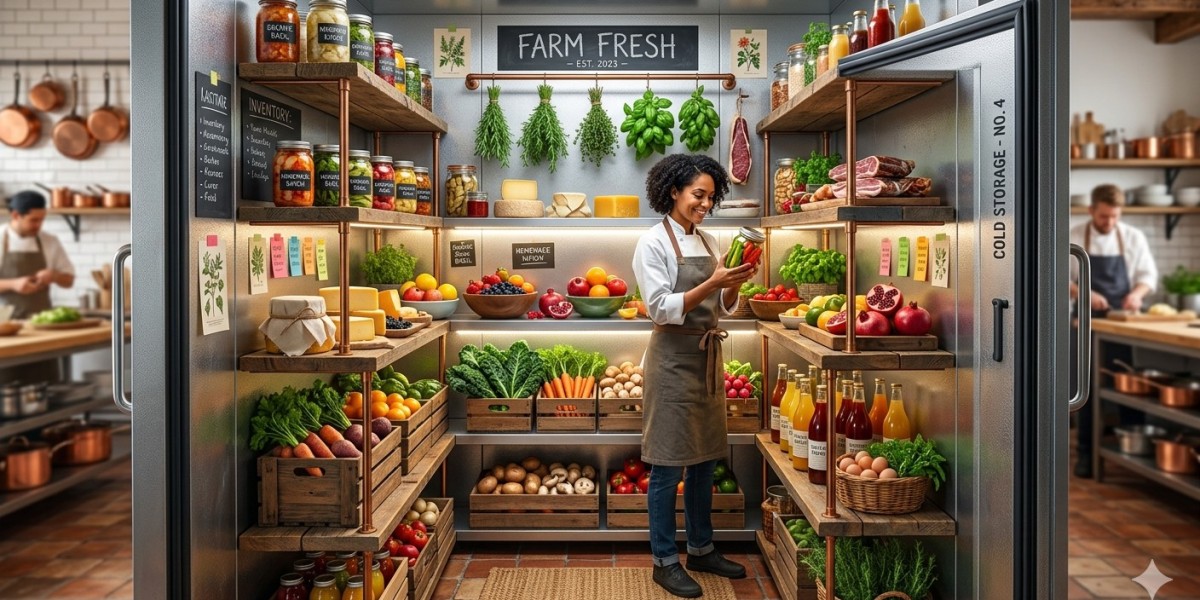

A walk-in fridge is one of the most essential pieces of equipment for restaurants, hotels, and food businesses. Designed for bulk storage, it provides a controlled environment to keep perishable items fresh, safe, and organized. Whether you run a busy restaurant or a catering service, a walk-in fridge ensures you always have sufficient inventory without compromising food quality.
What Is a Walk-In Fridge?
A walk-in fridge (also known as a walk-in cooler) is a large refrigeration unit that allows users to physically walk inside. Unlike standard refrigerators, these units are built to handle high storage volumes, making them ideal for commercial kitchens with heavy demand.
Brands like True Refrigeration are well-known for manufacturing durable and energy-efficient walk-in refrigeration systems widely used across the foodservice industry.
Key Benefits of a Walk-In Fridge
1. Large Storage Capacity
Walk-in fridges provide ample space to store bulk ingredients such as meat, vegetables, dairy, and beverages. This reduces the need for frequent restocking and improves operational efficiency.
2. Better Organization
With adjustable shelving and spacious interiors, you can categorize items easily. This helps kitchen staff access ingredients quickly during peak hours.
3. Food Safety & Temperature Control
Maintaining consistent temperatures (usually between 0°C to 5°C) is critical for food safety. Walk-in fridges are designed to keep stable conditions, reducing spoilage and ensuring compliance with health standards.
4. Energy Efficiency
Modern walk-in units are built with high-quality insulation and energy-saving compressors, helping reduce electricity costs over time.
Walk-In Fridge vs Walk-In Freezer
Many businesses confuse walk-in fridges with walk-in freezers. While both look similar, their functions differ:
- Walk-in fridge: Keeps food chilled (0°C to 5°C)
- Walk-in freezer: Stores frozen items (-18°C or lower)
Choosing between the two depends on your storage needs. Some businesses even install both for maximum efficiency.
Factors to Consider Before Buying
Size & Space Availability
Measure your kitchen area carefully. Walk-in fridges come in various sizes, from compact units to large storage rooms.
Cooling System Type
Top-mounted systems are easier to maintain, while remote systems reduce noise and heat inside the kitchen.
Material & Build Quality
Look for stainless steel interiors and exteriors for durability and easy cleaning.
Energy Consumption
Choose models with energy-efficient ratings to lower long-term operational costs.
Ideal Use Cases
- Restaurants with high inventory turnover
- Hotels and resorts
- Cloud kitchens and catering services
- Supermarkets and food warehouses
Maintenance Tips
To ensure long-term performance:
- Clean coils and interiors regularly
- Avoid overloading shelves
- Check door seals for air leaks
- Monitor temperature settings daily
Final Thoughts
A walk-in fridge is more than just storage—it’s a critical investment that supports your entire kitchen operation. By choosing a reliable system and maintaining it properly, you can improve efficiency, reduce waste, and ensure food safety.
If your business handles large volumes of perishable goods, upgrading to a walk-in fridge is not just an option—it’s a necessity for scalable growth.