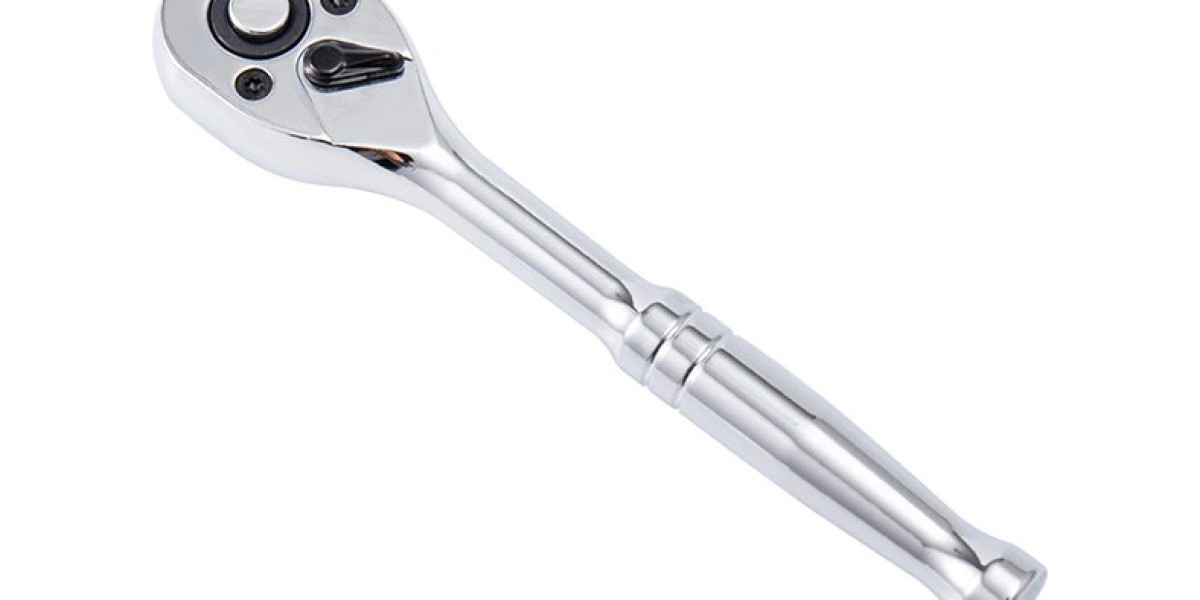

When tools are used repeatedly under load, their internal structure becomes just as important as their external shape. A well-engineered Automotive Repair Socket integrated within a Specialty Tool Set is designed to handle torque, reduce wear, and maintain consistent performance over time. Workshops that rely on daily high-frequency usage often notice clear differences between standard tools and those built with structural precision.
One of the first design considerations lies in the socket geometry. The internal profile must match the fastener accurately to ensure proper torque transfer. Traditional six-point designs are often preferred for high-torque applications because they distribute force evenly across the flat sides of the fastener. Twelve-point designs, on the other hand, allow for easier alignment in tight spaces. Choosing the right structure helps reduce stress concentration, which can otherwise lead to fastener rounding or tool deformation.
Wall thickness is another critical factor. Thin-walled sockets are useful in confined areas where space is limited, but they must still maintain sufficient strength. Engineers often optimize the balance between thickness and material strength to ensure durability without sacrificing accessibility. Reinforced stress zones are sometimes added near the drive end, where torque loads are highest.
The drive interface also plays a role in structural performance. Square drives must maintain tight tolerances to prevent wobbling during use. Even minor variations can affect torque accuracy and increase wear over time. Precision machining ensures that sockets fit securely onto ratchets and extensions, creating a stable connection that supports controlled force application.
Surface treatment contributes to both durability and usability. Polished chrome finishes help resist corrosion and make cleaning easier after exposure to oil and grease. In contrast, matte finishes may improve grip, especially when tools are handled with gloves. Some designs combine both approaches, using polished exteriors with textured grip zones for better handling.
Impact resistance is particularly important for tools used with power equipment. Impact sockets are designed with thicker walls and specific materials that absorb shock without cracking. The internal corners are often rounded slightly to distribute stress more evenly. This design helps extend tool life when used in demanding environments such as tire service or heavy-duty repairs.
Another structural consideration involves weight distribution. Tools that are too heavy can cause fatigue during extended use, while overly lightweight tools may lack the necessary strength. Balanced designs help technicians maintain control without excessive strain. This becomes especially relevant in repetitive tasks where ergonomics influence productivity.
Joint components within a tool set also require careful design. Universal joints and extensions must transmit torque efficiently while allowing flexibility. High-quality joints maintain alignment even when angled, reducing energy loss and improving accuracy. Poorly designed joints can introduce instability, leading to uneven force application.
Storage and organization systems are often overlooked as part of structural design. A well-arranged tool set includes holders or cases that keep each component in place. This not only protects tools from damage but also supports efficient workflow. Structured layouts reduce the time spent searching for specific tools, which can improve overall workshop efficiency.
Testing standards provide another layer of reliability. Tools are often subjected to torque and fatigue testing to ensure they meet performance requirements. Consistent testing helps manufacturers identify potential weaknesses and refine their designs. For users, this translates into tools that perform reliably under different conditions.
As repair tasks become more varied, structural design continues to evolve. Manufacturers are exploring new shapes and configurations that improve accessibility and performance. By focusing on geometry, material distribution, and precision manufacturing, modern tool systems are better equipped to handle the demands of contemporary automotive repair.