
When cosmetic brands evaluate a Professional Lip Liner Factory and a Professional Highlighter Factory, one of the least visible but most influential factors is the pigment system. While packaging and marketing often attract attention first, the real performance of a product is determined by how pigments interact with oils, waxes, and binders during formulation. This interaction shapes not only color payoff but also stability during storage and use.
Lip liner formulations rely heavily on a balanced pigment dispersion system. If pigments are not properly milled or coated, separation may occur over time, leading to uneven color output. To avoid this, manufacturers often use pre-dispersed pigment blends or micronization processes. These methods reduce particle clustering and help maintain consistent shade density. In practical production, pigment particle size is often controlled within a narrow range, typically between 5–20 microns depending on the desired finish.
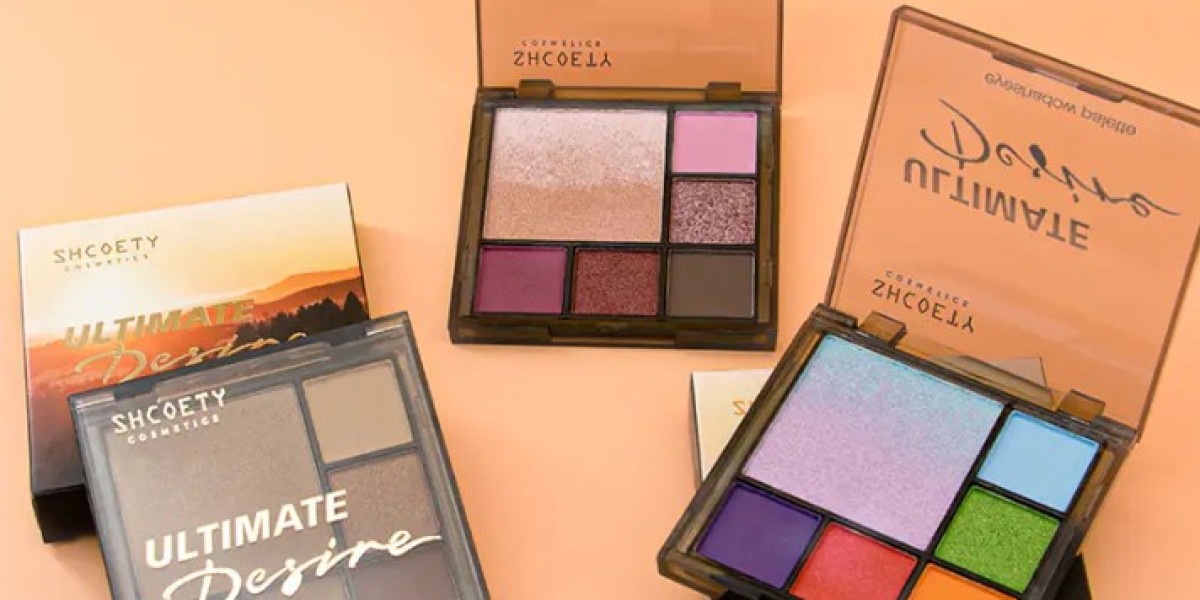
Highlighter formulations face a different pigment challenge. Reflective materials such as mica, titanium dioxide, and synthetic fluorphlogopite must be carefully layered to create controlled light reflection. The angle of reflection determines whether the product appears subtle or high-shine. Factories working with advanced formulation systems may adjust coating thickness on pigment particles to achieve different glow intensities. Even a 2–3% change in pigment ratio can noticeably shift the final visual effect.
Ingredient trends are also shaping how factories develop new products. In recent years, there has been a shift toward lightweight textures and skin-friendly formulations. This has led to increased use of silicone alternatives, plant-derived oils, and non-comedogenic bases. Lip liners, for instance, are now expected to feel less waxy and more flexible on the lips. Highlighters are moving toward “skin-like glow” effects rather than heavy shimmer, reflecting broader consumer preferences for natural finishes.
Another emerging factor is raw material sourcing transparency. Brands are increasingly interested in where pigments and waxes originate. A factory that maintains traceable ingredient supply chains can provide more detailed documentation, which is often required for international markets. This includes certificates of analysis, safety data sheets, and allergen declarations. Such documentation not only supports compliance but also builds brand credibility.
OEM customization plays a central role in how factories respond to these trends. Rather than offering fixed formulas, many manufacturers now operate with modular formulation systems. This means a base structure can be adjusted based on client requirements. For example, a lip liner base may be modified by changing wax ratios to create either a matte or semi-matte finish. Similarly, a highlighter base can be adapted to produce powder, cream, or baked textures.
One of the practical advantages of modular OEM systems is speed. Instead of developing a product from scratch, factories can reduce formulation time by up to 30–50% using pre-tested bases. This allows brands to respond faster to seasonal trends or influencer-driven demand spikes. In fast-moving beauty markets, this flexibility often determines product success.
Texture stability is another key consideration in OEM production. Even when formulations are well-designed, improper scaling during mass production can lead to inconsistencies. To address this, factories often use pilot batches to simulate large-scale output. This helps identify potential issues in mixing time, temperature distribution, or cooling rates before full production begins.
Consumer demand is also influencing how OEM factories structure their product development pipelines. Many brands now request multi-use products that can function across different application areas. Lip liners are increasingly designed to double as lipsticks, while highlighters are used on eyes, cheeks, and even body areas. This requires formulations with adaptable adhesion properties and flexible pigment distribution systems.
Quality assurance in pigment-based products involves multiple checkpoints. These typically include raw material inspection, in-process sampling, and final batch testing. For color cosmetics, spectrophotometer readings are often used to ensure shade consistency across batches. Even small deviations in color value (ΔE values above 1.5 in some systems) may require adjustment before approval.
Market trends indicate that customization will continue to grow in importance. Brands are no longer satisfied with generic formulas; instead, they expect differentiated textures, finishes, and sensory experiences. Factories that can integrate formulation science with market insight are better positioned to support long-term OEM partnerships.