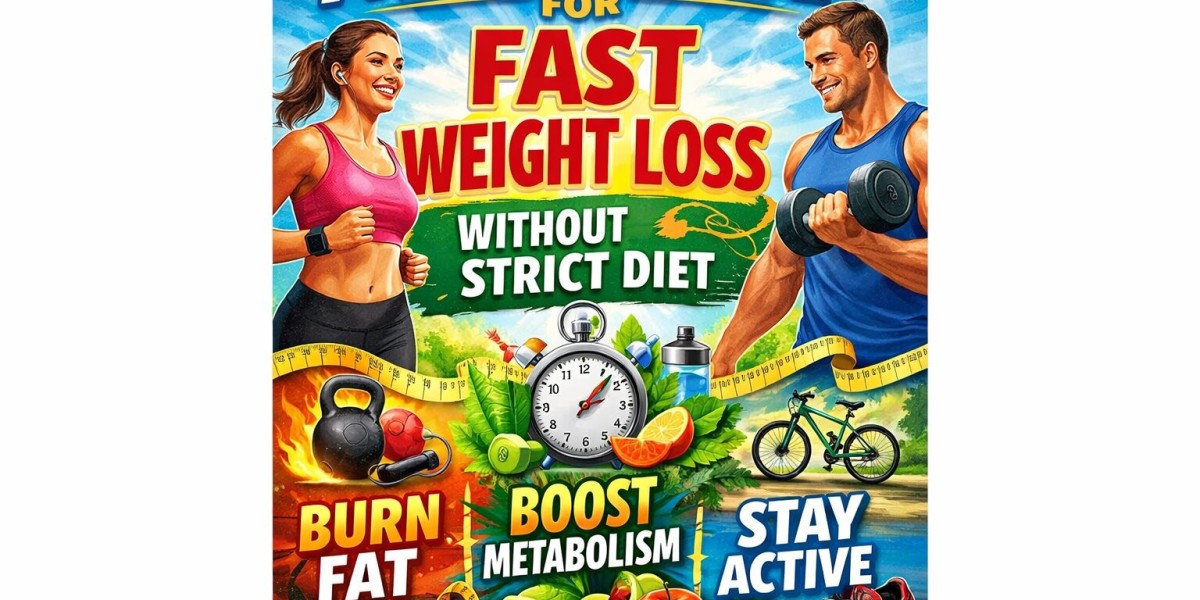

Losing weight quickly doesn't always mean starving yourself or following a strict, unsustainable diet plan. In fact, the most effective and long-lasting weight loss strategies focus on building healthy habits rather than extreme restrictions. If you're looking for a realistic way to shed extra weight without giving up your favorite foods, this fitness guide will help you achieve fast results while maintaining a balanced lifestyle.
Why Strict Diets Often Fail
Strict diets may promise quick results, but they often lead to frustration and burnout. When you drastically cut calories or eliminate entire food groups, your body reacts by slowing down metabolism and increasing cravings. This makes it difficult to maintain progress in the long run.
Instead of focusing on restriction, a smarter approach combines regular physical activity, mindful eating, and sustainable daily habits. This method not only supports faster weight loss but also helps maintain results over time.
1. Focus on High-Intensity Workouts
If your goal is fast weight loss, your workouts should be efficient and impactful. High-intensity exercises burn more calories in less time and boost metabolism even after your workout is complete.
Best workout options:
High-Intensity Interval Training (HIIT)
Circuit training
Bodyweight exercises (push-ups, squats, burpees)
Sprint intervals
Tip: Aim for 20–30 minutes of intense workouts at least 4–5 times per week.
2. Increase Daily Movement (Non-Exercise Activity)
Weight loss isn’t just about workouts—it’s also about how active you are throughout the day. This is known as NEAT (Non-Exercise Activity Thermogenesis).
Easy ways to stay active:
Walk more (target 8,000–10,000 steps daily)
Use stairs instead of elevators
Stand and stretch regularly if you sit for long hours
Do light activities like cleaning or gardening
Small movements add up and significantly increase calorie burn without requiring extra effort.
3. Eat Smart, Not Less
You don’t need a strict diet, but you do need to make smarter food choices. Instead of cutting out foods, focus on balance and portion control.
Smart eating habits:
Include protein in every meal (eggs, chicken, lentils, paneer)
Choose whole foods over processed items
Add more vegetables and fiber-rich foods
Stay hydrated throughout the day
Protein helps you feel full longer and reduces unnecessary snacking, while fiber improves digestion and supports fat loss.
4. Control Portion Sizes
Even healthy foods can lead to weight gain if consumed in large quantities. Portion control allows you to enjoy your favorite meals without overeating.
Simple portion control tips:
Use smaller plates
Avoid eating directly from packages
Eat slowly and mindfully
Stop eating when you’re 80% full
This approach helps create a calorie deficit naturally without strict dieting.
5. Prioritize Strength Training
Many people focus only on cardio for weight loss, but strength training is equally important. Building muscle increases your resting metabolism, meaning your body burns more calories even at rest.
Effective strength exercises:
Squats
Deadlifts
Lunges
Push-ups
Planks
Tip: Train 3–4 times per week for the best results.
6. Stay Consistent with Sleep
Sleep plays a crucial role in weight loss. Poor sleep affects hormones that control hunger and cravings, leading to overeating.
Improve sleep quality by:
Sleeping 7–8 hours daily
Avoiding screens before bedtime
Keeping a consistent sleep schedule
Reducing caffeine intake in the evening
Good sleep supports faster fat loss and better workout performance.
7. Reduce Sugar and Liquid Calories
You don’t need to completely eliminate sugar, but reducing it can make a big difference in weight loss.
Avoid:
Sugary drinks (sodas, packaged juices)
Excess sweets and desserts
High-calorie coffee drinks
Replace with:
Water or infused water
Green tea
Black coffee (without added sugar)
Liquid calories add up quickly without making you feel full, slowing down your progress.
8. Stay Hydrated
Drinking enough water can boost metabolism and reduce hunger. Sometimes, your body mistakes thirst for hunger, leading to unnecessary eating.
Hydration tips:
Drink 2–3 liters of water daily
Have a glass of water before meals
Carry a water bottle throughout the day
Proper hydration supports digestion and helps your body function efficiently.
9. Avoid Late-Night Overeating
Late-night snacking often leads to consuming excess calories, especially unhealthy foods. While you don't need strict rules, managing your eating timing can help.
Tips:
Finish your last meal 2–3 hours before bedtime
Choose light snacks if needed (fruit, yogurt)
Avoid heavy, greasy meals at night
This simple habit can accelerate fat loss without dieting.
10. Track Progress Without Obsession
Tracking your progress helps you stay motivated, but it doesn't mean checking your weight every day.
Better ways to track:
Take weekly progress photos
Measure body in inches
Monitor energy levels and fitness improvements
Weight can fluctuate due to water retention, so focus on overall changes instead.
Sample Daily Routine for Fast Weight Loss
Here's a simple routine you can follow:
Morning:
Wake up early and drink water
20–30 minute workout (HIIT or cardio)
Breakfast:
High-protein meal (eggs, oats, smoothie)
Afternoon:
Balanced lunch with protein, carbs, and vegetables
Stay active (walking or light movement)
Evening:
Light snack (nuts, fruits)
Strength training or short workout
Dinner:
Light, balanced meal
Avoid overeating
Night:
Relax and sleep on time
Common Mistakes to Avoid
Even without strict dieting, some habits can slow your progress:
Skipping meals (leads to overeating later)
Overestimating calories burned during workouts
Eating “healthy” junk foods in large amounts
Being inconsistent with exercise
Avoiding these mistakes will help you achieve faster and more sustainable results.
Final Thoughts
Fast weight loss doesn't require extreme dieting or cutting out all your favorite foods. By combining effective workouts, smart eating habits, and a consistent routine, you can achieve noticeable results without feeling restricted.
The key is consistency, not perfection. Focus on building habits you can maintain long-term, and your body will naturally respond with improved fitness , energy, and fat loss.
Start small, stay committed, and let your lifestyle—not a strict diet—drive your transformation.