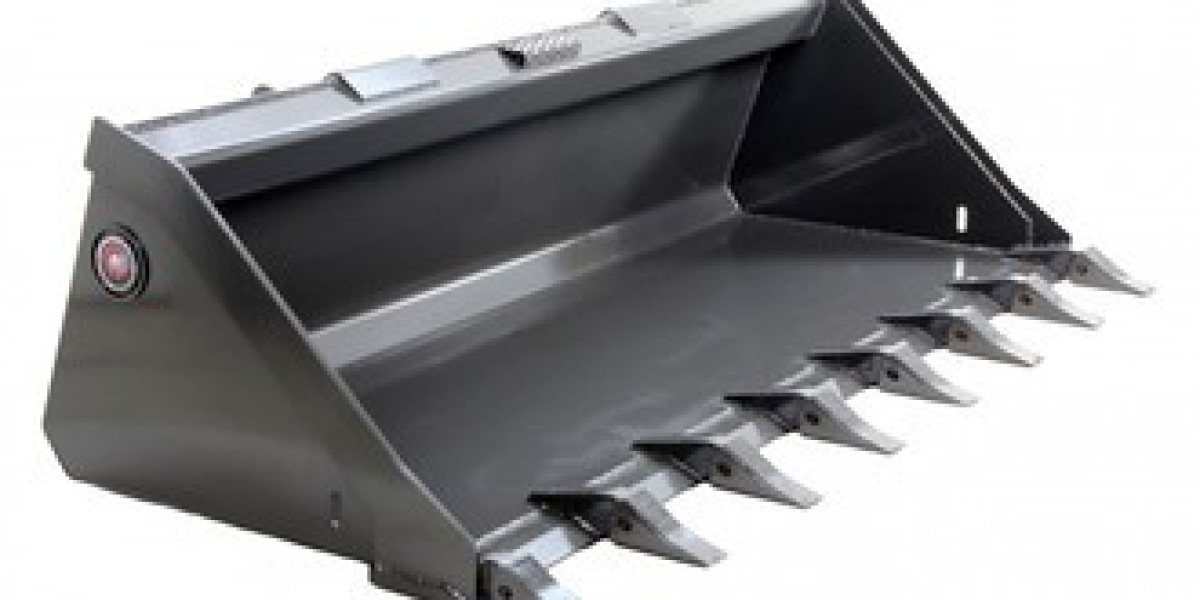

A lot of operators jump straight into buying without thinking through the work they actually do every day. They’ll scroll through options, compare prices, maybe even check out mini excavator buckets for sale while they’re at it, but still end up with something that doesn’t quite fit their workflow. And yeah, that’s where things start going sideways.
So instead of overcomplicating it, let’s just talk real what works best, where, and why.
Understanding Bucket Choice Isn’t Just About Size
First thing. Bigger isn’t always better. Smaller isn’t always more precise. It depends.
Bucket selection is more about material and job type than anything else. You’re not using the same setup for breaking through compacted soil on a construction site as you are for moving loose mulch on a landscaping job. That’s just asking for frustration.
The right bucket should:
Match your machine’s capacity
Handle the material without fighting you
Keep your cycle time tight
If it’s slowing you down, it’s the wrong one. Simple.
Construction Jobs Need Strength First, Not Comfort
Construction is rough. No way around it.
You’re dealing with dense soil, gravel, demolition debris… sometimes all in the same hour. That’s where heavy-duty buckets come in. Reinforced edges, thicker steel, solid welds. No shortcuts.
A standard bucket might work for a bit, but it won’t last. And worse, it’ll start bending or wearing down right when you need it most.
For construction, you’re usually better off with:
Heavy-duty general purpose buckets
Rock buckets if you’re dealing with debris separation
Tooth buckets for digging into hard ground
Teeth matter more than people think. They help break through compact layers instead of just scraping the surface.
And honestly, if your bucket isn’t biting into the ground cleanly… you’re wasting time every single pass.
Farming Needs Versatility (Because Jobs Keep Changing)
Farms don’t run on one type of task. That’s the thing.
One minute you’re moving feed, next you’re clearing out manure, then you’re leveling soil or hauling loose material. It’s constant switching — or at least it feels like it.
That’s why farming leans toward general-purpose buckets. Not the most specialized, but flexible enough to handle a mix without slowing everything down.
You want:
Medium-duty buckets with decent capacity
Smooth edges for lighter materials
Enough strength to handle occasional heavy loads
Too heavy, and you’re just adding strain to the machine for no reason. Too light, and it won’t hold up long.
It’s a balance. Most experienced operators figure that out the hard way.
Landscaping Is All About Clean Work
Landscaping is different. It’s not just about moving material — it’s about how it looks after.
You’re dealing with topsoil, mulch, sand. Softer materials. But the finish matters. Clients notice uneven grading, messy edges, sloppy work.
So buckets here need control more than brute strength.
Typically:
Light material buckets work best
Wider buckets for leveling and grading
Smooth cutting edges for cleaner finishes
You don’t need something overbuilt. You need something precise.
And if your bucket keeps spilling or leaving uneven surfaces, it’s going to show in the final result. No hiding that.
Where Skid Loader Buckets for Sale Come Into Play
At some point, everyone ends up searching for skid loader buckets for sale. Usually after realizing their current setup isn’t cutting it anymore.
The problem is, most listings look the same. Similar specs. Similar claims. “Heavy duty,” “high performance,” all that.
So what actually matters?
Pay attention to:
Steel thickness (real durability, not marketing)
Cutting edge design
Bucket shape and depth
Compatibility with your machine
That last one trips people up. Not every bucket works smoothly with every skid steer. Fit matters more than people think.
Brands like Spartan Equipment have built a reputation around getting these details right. Not perfect, nothing is, but solid enough that professionals keep coming back.
Don’t Ignore Material Type (This One Gets Overlooked)
This is where mistakes happen.
People choose a bucket based on the job title, not the material itself. Big difference.
Loose sand behaves nothing like wet clay. Gravel doesn’t move like mulch. And demolition debris… that’s a whole different headache.
If you’re constantly switching between materials, you either:
Get a versatile bucket that handles most decently
Or accept that you’ll need multiple attachments
There’s no magic solution that does everything perfectly. Anyone telling you that is overselling it.
Matching Buckets to Machine Size
Another thing that gets ignored. Machine size.
You can’t just throw a massive bucket on a smaller skid steer and expect it to perform well. It’ll slow you down, strain the hydraulics, and probably wear things out faster.
Same the other way around. A small bucket on a large machine? You’re underutilizing capacity.
It’s about balance. Matching width, weight, and capacity so everything works together instead of against each other.
Takes a bit of thought. But it pays off.
Why the Right Bucket Feels Different (Hard to Explain Until You Try It)
Once you run the right bucket, you notice it immediately.
Cuts smoother. Loads fuller. Carries better. You’re not fighting the machine anymore.
Cycle times drop without you even trying. Less back-and-forth. Less adjustment. Just… smoother work.
That’s why experienced operators don’t treat buckets like an afterthought. It’s one of the first things they dial in.
Final Thoughts on Choosing the Best Option
There’s no single “best” skid loader bucket for every situation. Anyone saying that probably hasn’t spent enough time actually working with them.
Construction leans heavy-duty. Farming needs flexibility. Landscaping demands precision.
Figure out where most of your time goes, then choose based on that not just price, not just size.
And yeah, when you’re going through skid loader buckets for sale, it’s worth slowing down a bit and thinking it through. The right choice won’t just make the job easier… it’ll make everything faster without forcing it.
That’s really what you’re after at the end of the day. Efficiency that feels natural, not forced.