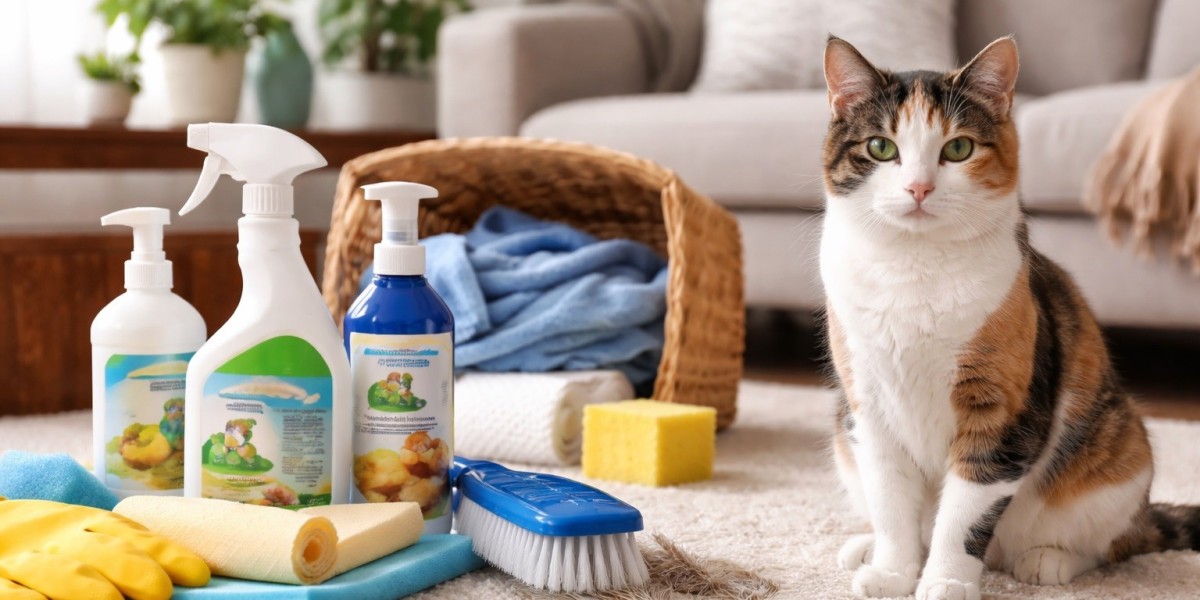

8 Mistakes People Make When Using Cat Cleaners
Keeping a home clean while living with cats can be challenging. From litter box odors to accidental messes on carpets, maintaining hygiene requires the right cleaning solutions and proper techniques. Many pet owners rely on specialized cat cleaners to eliminate stains, bacteria, and unpleasant smells, but mistakes in how these products are used can make the situation worse instead of better.
Improper cleaning methods can allow odors to linger, encourage repeat marking behavior, or even create health risks for pets. Understanding the most common errors people make when cleaning cat-related messes can help you maintain a fresher home and keep your feline companion comfortable.
Below are eight common mistakes pet owners make when using cleaning products around cats—and what you should do instead.
1. Using Regular Household Cleaners Instead of Pet-Safe Products
One of the biggest mistakes cat owners make is using standard household cleaners for pet messes. Many all-purpose cleaners contain chemicals such as ammonia, bleach, or harsh fragrances that are not designed for pet environments.
Ammonia-based cleaners can actually mimic the smell of urine, which may encourage cats to mark the same area again. In addition, some strong cleaning chemicals can irritate your cat’s respiratory system or sensitive paws.
Instead, choose specialized cat cleaners formulated specifically for pet stains and odors. These products are designed to break down organic compounds found in urine and other pet messes without leaving harmful residues.
2. Not Cleaning the Area Immediately
Another common mistake is delaying cleanup. Cat urine and other organic messes soak quickly into carpets, upholstery, and flooring. The longer a stain remains untreated, the deeper it penetrates into surfaces.
When stains are left for hours or days, bacteria begin breaking down the urine, which causes strong odors to develop. Even the best cat urine odor eliminator may struggle to completely remove smells if the stain has already seeped deep into padding or subflooring.
Cleaning the affected area as soon as possible is always the best strategy. Prompt action helps prevent permanent stains and discourages cats from revisiting the same spot.
3. Scrubbing Instead of Blotting
When dealing with cat accidents on carpets or fabric, many people instinctively start scrubbing the stain. Unfortunately, scrubbing often spreads the urine further into the fibers instead of removing it.
The correct approach is to blot the stain using absorbent paper towels or a clean cloth. Apply gentle pressure to soak up as much liquid as possible before applying a cleaning solution.
After blotting, apply your chosen cleaning product and allow it to work for the recommended time. This process ensures the stain is treated without pushing it deeper into surfaces.
4. Using Too Much Cleaning Product
It might seem logical that more cleaning solution equals better results, but overusing cleaners can actually cause problems.
Excessive product application may leave sticky residues on carpets or floors. These residues attract dust and dirt, making the cleaned area appear dirty again quickly. Additionally, leftover cleaning chemicals can sometimes irritate pets who walk across treated surfaces.
Always follow the instructions provided with the cleaning product. Using the correct amount ensures effective stain removal without unnecessary buildup.
5. Ignoring the Source of the Problem
Cleaning stains alone does not solve the underlying reason why a cat may be urinating outside the litter box. Behavioral issues, medical conditions, or stress can cause repeated accidents.
For example, conditions such as ear mites in cats can cause discomfort, leading to unusual behaviors or stress responses. A cat experiencing irritation or illness may begin marking areas outside the litter box.
If accidents become frequent, consult a veterinarian to rule out health issues and ensure your cat receives proper care.
6. Not Using Enzyme-Based Cleaning Solutions
Many people use basic disinfectants or general stain removers that do not fully break down pet waste compounds. While these cleaners might remove visible stains, they often fail to eliminate the odor molecules that cats can still detect.
Enzyme-based solutions work differently. These formulas contain beneficial bacteria that break down organic waste, effectively neutralizing odors rather than simply masking them.
Using the best cat urine odor eliminator with enzyme technology can prevent repeat marking and keep your home smelling fresh.
7. Forgetting to Treat the Entire Area
A visible stain is often only part of the problem. Urine can spread beneath carpets, into furniture padding, or even into floorboards.
If cleaning efforts focus only on the surface, lingering odor molecules may remain hidden below. Cats have an extremely strong sense of smell, so they may continue returning to that location.
To fully remove stains and odors, treat the entire affected area—including surrounding fibers and padding if necessary. Deep cleaning ensures that both visible stains and hidden residues are eliminated.
8. Not Testing Cleaners Before Use
Every surface reacts differently to cleaning products. Carpets, upholstery fabrics, hardwood floors, and tiles all have different levels of chemical sensitivity.
Applying a cleaner without testing it first can sometimes cause discoloration, fading, or damage. This is especially true for delicate fabrics or older carpets.
Before using any product, apply a small amount in an inconspicuous area and wait to see how the material reacts. Once you confirm it is safe, proceed with cleaning the stain.
Tips for Keeping Your Home Fresh With Cats
Avoiding these mistakes can significantly improve your cleaning routine. In addition to using the right products and techniques, consider these simple habits:
Clean litter boxes regularly to prevent odor buildup
Use absorbent mats near litter areas
Vacuum frequently to remove pet hair and debris
Provide multiple litter boxes in multi-cat homes
Monitor your cat’s health and behavior changes
Maintaining a consistent cleaning routine and using effective cat cleaners can make living with cats much easier while keeping your home comfortable and hygienic.
FAQs
1. What makes cat urine smell so strong?
Cat urine contains compounds such as uric acid and ammonia that create strong odors when broken down by bacteria. These compounds can cling to surfaces, which is why proper cleaning methods are essential.
2. How do enzyme cleaners work for pet stains?
Enzyme cleaners use natural bacteria to break down organic waste molecules in urine and other pet messes. This process eliminates odors at the source rather than masking them.
3. Can cat urine odors come back after cleaning?
Yes, if the stain is not fully removed or if moisture reactivates leftover residue. Using the best cat urine odor eliminator and thoroughly cleaning affected areas helps prevent recurring smells.
4. Are cat cleaning products safe for pets?
Most pet-specific cleaning products are designed to be safe when used according to instructions. However, it is always best to keep pets away from treated areas until surfaces are completely dry.
5. When should I see a veterinarian about my cat’s behavior?
If your cat frequently urinates outside the litter box or shows unusual symptoms such as scratching or irritation that could indicate issues like ear mites in cats, consulting a veterinarian is recommended.
Read more: Why Every Indoor Cat Needs Cat Nip Grass for Better Health