
Some people unwind at night by watching TV. Others scroll through social media until they fall asleep. My nightly habit is a little different: I open a puzzle app and stare at a grid full of numbers.
Somewhere along the way, solving Sudoku became part of my routine. Not intentionally, not as some productivity trick—just something that slowly slipped into my evenings and decided to stay.
It usually starts the same way. I tell myself, “Just one quick puzzle before bed.”
Thirty minutes later, I’m still staring at the screen, determined to solve the last few squares.
How a Simple Puzzle Turned Into a Daily Habit
I honestly don’t remember the exact moment I started playing regularly. I had seen Sudoku puzzles in newspapers for years, but they always looked intimidating.
Numbers everywhere. Tiny boxes. Serious-looking grids.
It didn’t exactly scream “fun.”
But one evening, while browsing random apps on my phone, I downloaded a puzzle app out of curiosity. I opened the first grid and started tapping numbers, not really expecting much.
The first puzzle was easy.
Then I tried another.
And another.
Before I knew it, I had spent almost an hour filling in numbers and completely forgot about everything else.
That was the moment I realized something surprising: this puzzle had a strange ability to absorb my full attention.
The Calm Focus That Makes It Special
One thing I love about Sudoku is the quiet concentration it creates.
When I’m solving a puzzle, my brain shifts into a different mode. I’m no longer thinking about work tasks, unfinished emails, or tomorrow’s schedule.
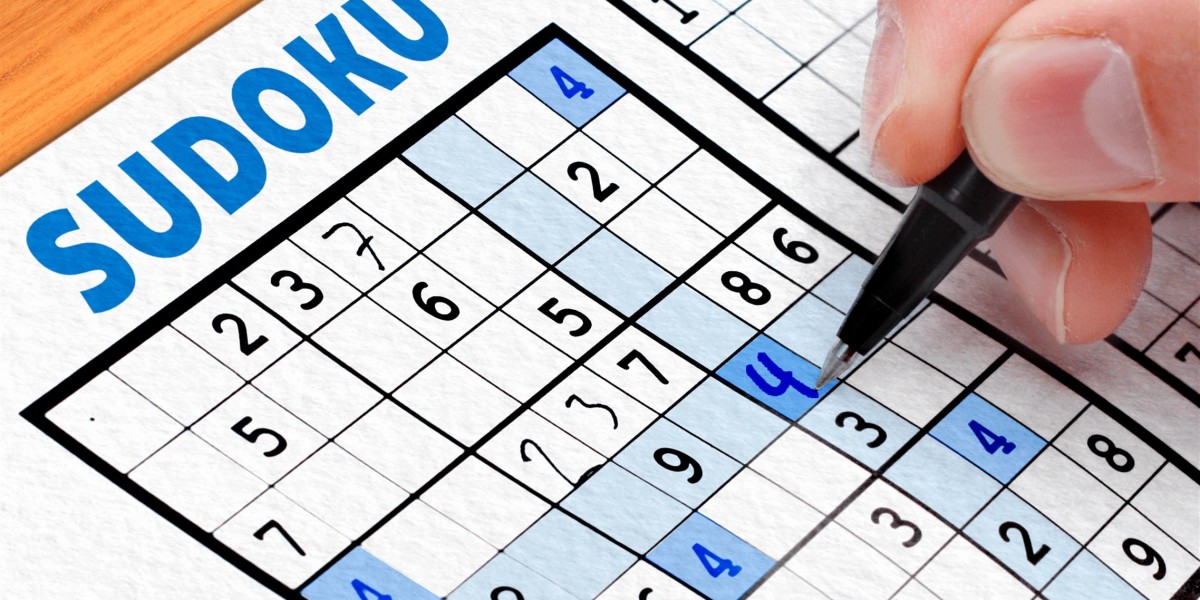
Instead, my entire world becomes a 9×9 grid.
It’s Like a Tiny Mental Escape
Some people meditate to clear their minds. For me, puzzles work in a similar way.
The logic required to solve each step forces me to focus completely. My brain stops jumping between thoughts and instead locks onto patterns.
Row by row.
Column by column.
Box by box.
That kind of focused attention is surprisingly relaxing.
The Moment Everything Finally Clicks
Every puzzle has a moment where things feel stuck.
You’ve filled in most of the grid, but the remaining spaces refuse to cooperate. You check the same rows again and again, hoping something will suddenly become obvious.
This is usually when I start talking to myself.
“Okay… there has to be a seven somewhere here.”
Nothing.
So I check another column.
Still nothing.
Then suddenly—there it is.
A tiny pattern I didn’t notice before. Maybe one number can only fit in a single square. Once that piece falls into place, the entire puzzle starts moving again.
That moment feels incredibly satisfying.
It’s like finding the missing piece of a jigsaw puzzle that unlocks the rest of the picture.
The Time I Got Way Too Competitive
One of my most memorable puzzle moments happened during a family visit.
My cousin and I were sitting at the dining table, both casually playing puzzles on our phones. At first we were just chatting while solving them, but eventually we realized we were both playing Sudoku.
Naturally, a competition started.
We decided to open the same puzzle difficulty and race to finish first.
At the beginning, I felt pretty confident. I filled in numbers quickly and thought I had the lead.
Then I glanced over at his screen.
His grid was almost done.
I panicked and started rushing.
Big mistake.
I placed a number in the wrong spot and had to redo several steps. Meanwhile, my cousin calmly finished his puzzle and leaned back in his chair with a grin.
“Done.”
I learned two important lessons that day:
Never rush a puzzle.
Friendly competitions can become surprisingly intense.
A Few Tricks That Make Solving Easier
After playing regularly for a while, I started noticing patterns and habits that make puzzles much easier to solve. I’m definitely not a master player, but these small strategies help a lot.
Start With the Obvious Squares
At the beginning of every puzzle, there are usually a few spots where only one number can logically fit.
Finding those first gives you momentum.
Once the grid starts filling up, new clues appear naturally.
Scan Boxes Instead of Rows Sometimes
Most beginners focus on rows and columns, but the smaller 3×3 boxes are just as important.
Sometimes the answer becomes obvious when you check the box instead of the row.
Stay Patient
This might sound simple, but it’s probably the most important skill.
When you feel stuck, don’t guess randomly. Slow down and review the grid again.
The correct answer is almost always hiding somewhere in plain sight.
Why I Think Puzzle Games Are Underrated
We live in a time where entertainment is often loud, fast, and constant. Notifications pop up everywhere, videos autoplay, and everything competes for attention.
But puzzle games offer something very different.
They’re quiet.
They don’t rush you.
And they reward thinking instead of speed.
When I solve a puzzle, I feel like I’ve actually used my brain in a meaningful way. It’s a small challenge, but it’s satisfying to overcome.
That feeling is rare in many modern apps.
The Best Feeling: Finishing a Hard Puzzle
Easy puzzles are fun, but the real magic happens when you complete a difficult one.
You know the type.
The grid looks nearly impossible at first. You spend several minutes just trying to find the next step. Sometimes you even consider giving up.
But you keep going.
Slowly, the puzzle begins to open up. One number leads to another, and suddenly the empty spaces disappear faster and faster.
When you place the final number, you pause for a second and admire the finished grid.
Every square filled.
Every row complete.
It’s such a simple victory, but it feels incredibly rewarding.
Why I’ll Probably Keep Playing Forever
I’ve played many different mobile games over the years. Most of them were exciting at first but quickly became repetitive.
Puzzle games are different.
Even though the rules never change, every new grid feels like a fresh challenge. There’s always another puzzle waiting, another pattern to discover, another little victory to enjoy.
That’s why I think this simple game has lasted so long around the world.
Sometimes the most timeless games are the simplest ones.