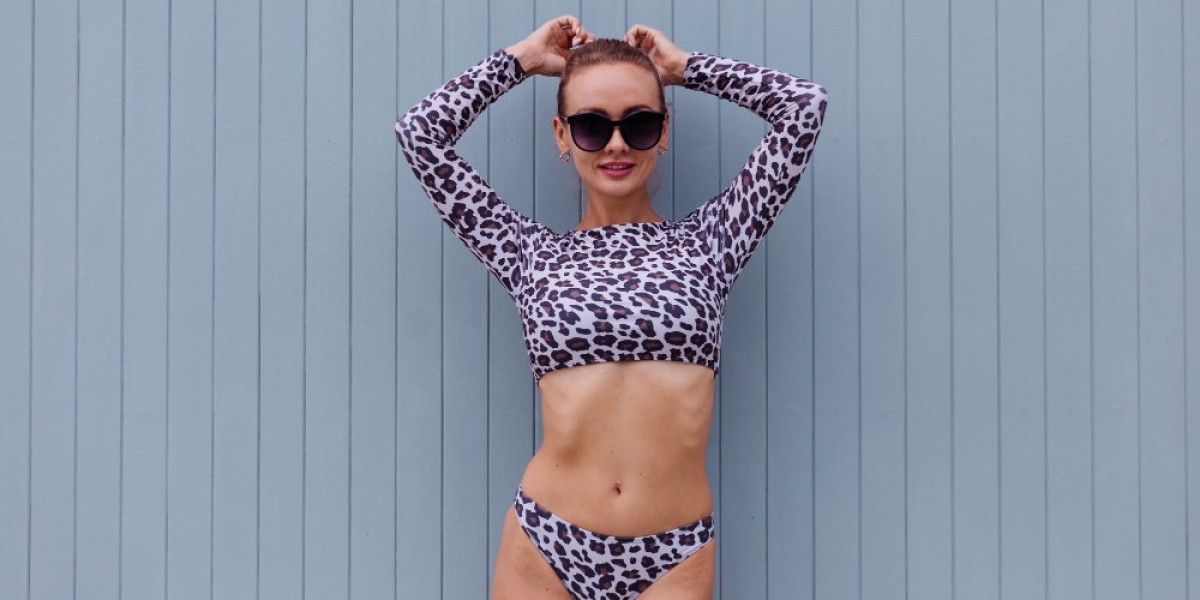

For B2B apparel brands and private label retailers, the custom swimsuit market offers a lucrative opportunity to capture niche audiences with unique designs. However, moving from a creative concept to a retail-ready product is fraught with technical "trapdoors." Unlike mass-produced stock items, a custom project requires a deep understanding of textile physics, specialized machinery, and meticulous quality control.
If your brand is currently facing "sample-to-production" discrepancies, fit inconsistencies across different fabrics, or color-matching failures, you are encountering common engineering gaps. To establish authority in the premium swimwear sector, you must solve these technical hurdles during the pre-production phase. Below, we address the critical pain points in the custom sector and provide the manufacturing solutions to fix them.
1. The "Sample-to-Production" Drift
The most frequent problem in the custom swimsuit workflow is the "drift" between the approved gold sample and the final bulk production. Often, the prototype feels perfect, but the bulk run lacks the same tension or hand-feel. This is usually caused by using different fabric batches or a change in the sewing tension on the production line.
The Solution: Implement Batch-Consistency Testing and Standardized Tech Packs. Your manufacturer should use a digital tension meter to ensure that the "stitch-per-inch" (SPI) count on the production line exactly matches the sample. Furthermore, always ensure that your custom patterns are graded using CAD software specifically designed for high-stretch fabrics. This ensures that the stretch coefficient is mathematically applied to every size, from XS to 3XL, preventing "fit drift" during scaling.
2. Solving the "Fabric-Specific Fit" Paradox
A common mistake in custom manufacturing is using a single pattern for multiple fabric types. A pattern designed for a standard 190 GSM nylon-spandex blend will fit completely differently when produced in a ribbed fabric or a textured jacquard, as these textiles have varying "modulus" (the force required to stretch the fabric).
The Solution: Perform a Modulus Test for every new fabric selection. Before cutting your custom order, the factory should conduct a "stretch and recovery" test on each specific textile. If a fabric has 20% less stretch than the original sample material, the pattern must be digitally adjusted (upscaled) to compensate. Solving this at the pattern stage prevents the costly mistake of producing a thousand units that are "one size too small."
3. Eliminating "Color Migration" and Print Ghosting
In the world of custom prints, "ghosting" or color migration is a major quality failure. This happens when the ink from a dark print bleeds into the lighter sections of the custom swimsuit during shipping or storage, especially in high-humidity environments.
The Solution: Specify Sublimation Printing with Anti-Migration Paper. High-quality digital sublimation fuses the ink into the polyester fibers at a molecular level. To prevent migration, the factory should use "tacky" transfer paper that prevents the fabric from shifting during the heat-press process. Additionally, insisting on Italian-grade Kian or J-Teck inks ensures that the colors remain vibrant and "fixed," even after exposure to heat and saltwater.
4. Managing the "Low MOQ" vs. Customization Conflict
Many B2B startups struggle with Minimum Order Quantities (MOQs). High customization—such as custom-branded hardware, unique labels, and bespoke prints—usually requires high volumes. Attempting to customize every detail at low volumes often leads to high per-unit costs and decreased margins.
The Solution: Utilize Hybrid Customization Strategies. To solve the MOQ hurdle, use "Stock-Base Customization." This involves using high-quality, pre-tested base fabrics in popular colors and focusing your custom budget on Heat-Transfer Logos, custom hangtags, and unique packaging. For custom prints, look for manufacturers who utilize Digital Inkjet Printing, which allows for smaller runs (as low as 50–100 pieces per print) compared to traditional screen printing.
5. Solving Mechanical Weaknesses: The "Snap-Back" Failure
A swimsuit is only as good as its elastic. A frequent failure in custom gear is the use of cheap rubber bands in the leg openings and waistbands, which "snap" or become brittle after exposure to sun and chlorine, causing the garment to lose its shape.
The Solution: Insist on Framilastic or High-Recovery Silicon Elastic. Unlike standard rubber, these specialized tapes are immune to the oxidative stress of chlorine and pool chemicals. When sewing these into the seams, the use of a four-needle, six-thread flatlock machine ensures the elastic is integrated into the seam itself, providing a smooth finish that won't roll or twist.
Conclusion
In the B2B swimwear industry, a custom swimsuit is a technical achievement, not just a design project. By solving the fundamental issues of fit-to-fabric ratios, color stability, and mechanical durability, you move your brand from a vulnerable startup to a robust market leader.
Reliable manufacturing is the bedrock of customer loyalty. When your custom designs arrive with consistent fit and professional-grade durability, you’ve solved the hardest part of the B2B equation.