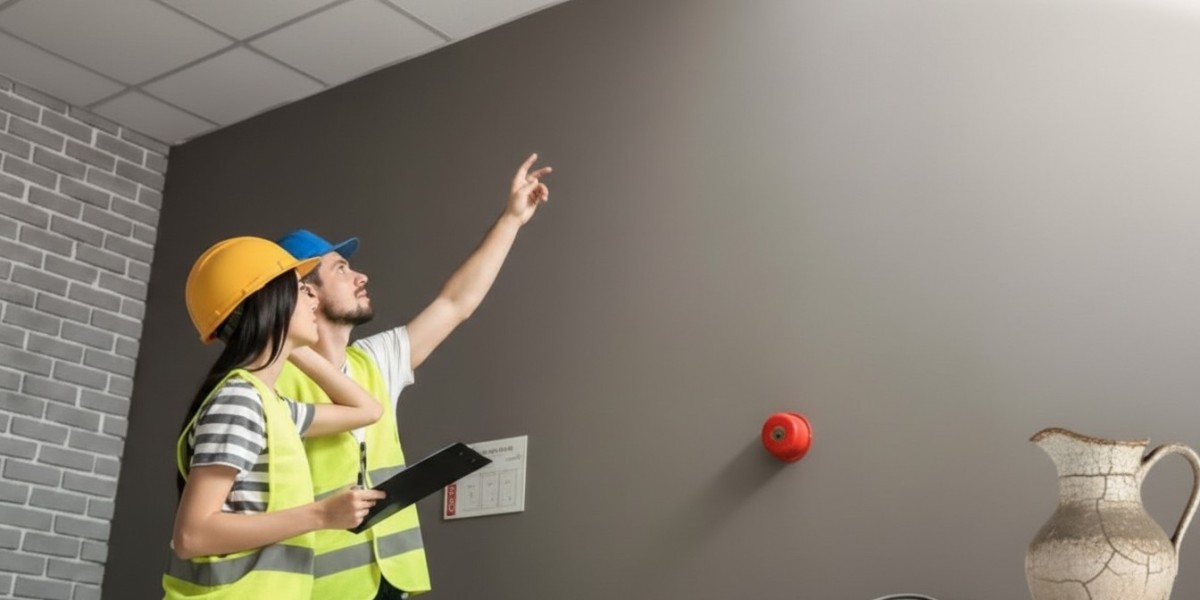

Buying a new property is an exciting milestone, whether it is a home for your family or an investment for the future. However, even newly constructed properties can have hidden defects or unfinished work that may not be immediately visible. This is where snagging inspection becomes extremely important.
A snagging inspection is a detailed assessment carried out to identify faults, defects, or unfinished areas in a property before the buyer takes full possession. The goal is to ensure the property meets expected quality standards and that the developer fixes any issues before the final handover.
Many property buyers assume that a brand new home will be flawless, but construction projects often involve complex processes where minor issues can easily occur. A proper snagging inspection helps protect buyers from future repair costs and ensures the property is delivered in excellent condition.
What Is Snagging Inspection
Snagging inspection refers to a thorough examination of a property to identify problems that need to be corrected by the builder or developer. These problems, commonly known as snags, may include cosmetic defects, structural concerns, or installation issues.
During the inspection process, professionals or property owners carefully check various aspects of the property such as walls, ceilings, flooring, doors, windows, electrical fittings, plumbing systems, and finishing details.
The findings are then recorded in a snagging report that lists all issues that need to be resolved before the final property handover.
Why Snagging Inspection Is Important
Snagging inspection plays a vital role in protecting the interests of property buyers. Even small defects can become costly problems if they are ignored.
One major benefit of snagging inspection is quality assurance. It ensures that construction work meets expected standards and that any poor workmanship is corrected before the buyer moves in.
Another important advantage is financial protection. If defects are discovered after the handover, the responsibility of repairs may fall on the homeowner. Identifying these problems early allows the developer to resolve them without additional cost to the buyer.
Snagging inspection also provides peace of mind. Knowing that your property has been carefully checked allows you to move in confidently without worrying about hidden issues.
Common Issues Found During Snagging Inspection
During a snagging inspection, several types of issues may be discovered. Some are minor cosmetic problems, while others may affect functionality or safety.
One common issue involves paint imperfections. Walls and ceilings may have uneven paint, marks, or visible patches that need correction.
Flooring defects are also frequently found. These may include uneven tiles, scratched surfaces, or gaps between flooring materials.
Doors and windows are another area that inspectors carefully check. Problems such as misalignment, poor sealing, or difficulty opening and closing are common snagging items.
Electrical systems must also be tested to ensure that switches, sockets, and lighting fixtures are installed properly and functioning safely.
Plumbing systems are checked for leaks, poor water pressure, or improper installation of sinks, faucets, and drainage systems.
Identifying these issues early helps ensure the property is delivered in perfect working condition.
How the Snagging Inspection Process Works
The snagging inspection process usually takes place before the final property handover. The inspection can be performed by professional inspectors or by the buyer with careful attention to detail.
The process typically begins with a room by room assessment of the property. Inspectors carefully examine walls, ceilings, floors, fixtures, and fittings to identify any visible defects.
After the visual inspection, functional testing may be conducted. This includes checking electrical systems, plumbing fixtures, doors, windows, and appliances to ensure everything works correctly.
All identified issues are documented in a snagging report. This report provides a clear record of problems that the developer must fix before the property is officially handed over.
Once repairs are completed, a follow up inspection may be carried out to confirm that the issues have been properly resolved.
When Should a Snagging Inspection Be Done
The best time for a snagging inspection is just before the final property handover. At this stage, construction is usually complete, allowing inspectors to evaluate the property thoroughly.
However, snagging inspections can also be useful shortly after moving in. Some defects only become noticeable after the property has been used for a short period.
Conducting the inspection at the right time ensures that developers remain responsible for fixing issues before warranties expire or responsibilities shift to the homeowner.
Should You Hire a Professional Snagging Inspector
While property buyers can perform their own inspections, hiring a professional snagging inspector often provides more accurate results.
Professional inspectors have experience in identifying construction defects that may not be obvious to an untrained eye. They also use specialized tools to check structural elements, moisture levels, and installation quality.
Their detailed reports provide clear documentation that can be presented to developers for necessary repairs.
This professional approach often leads to faster resolution of issues and better protection for the property buyer.
Tips for a Successful Snagging Inspection
Preparing properly for a snagging inspection can make the process more effective.
Start by carefully examining every room and area of the property. Look closely at surfaces, fittings, and finishes to identify any visible defects.
Test all doors, windows, electrical switches, and plumbing fixtures to ensure they function properly.
Take photographs and notes of any issues you find. This helps create a clear record that can be shared with the developer.
Most importantly, do not rush the inspection. Taking enough time to carefully review the property helps ensure that no defects are overlooked.
Frequently Asked Questions
What is the purpose of snagging inspection
The purpose of snagging inspection is to identify construction defects, unfinished work, or installation issues in a property so they can be fixed before the buyer takes full ownership.
Is snagging inspection necessary for new homes
Yes, even newly built homes can have defects. A snagging inspection helps ensure the property meets quality standards and protects buyers from future repair costs.
Who performs snagging inspection
Snagging inspections can be performed by property buyers themselves or by professional inspectors who specialize in identifying construction issues.
What happens after the snagging inspection
After the inspection, a snagging report is prepared and given to the developer. The developer is responsible for correcting the identified issues before final handover.
How long does a snagging inspection take
The time required depends on the size and condition of the property, but the process involves a detailed review of all rooms, fixtures, and systems.
Conclusion
Snagging inspection is an essential step in the property buying process that should never be overlooked. Even newly constructed homes may contain defects that could lead to costly repairs if they are not identified early.
By conducting a thorough snagging inspection, buyers can ensure that their property meets proper construction standards and that any issues are resolved before the final handover. This process not only protects the buyer’s investment but also ensures a smoother and more confident transition into a new home.