
The fashion industry is undergoing a major transformation. As awareness around environmental impact continues to grow, more people are looking for clothing that aligns with responsible values. Among the many solutions emerging in sustainable fashion, upcycled denim has become one of the most practical and impactful alternatives to traditional clothing production.
Denim has always been known for its durability and timeless appeal. However, the process of producing new denim requires large amounts of water, energy, and raw materials. From cotton farming to dyeing and finishing, every step of the production cycle contributes to environmental strain. This has led designers and conscious brands to rethink how denim can be created and consumed more responsibly.
The Environmental Challenge of Traditional Denim
Producing a single pair of new jeans can consume thousands of liters of water and significant energy during manufacturing. In addition, chemical dyes and finishing treatments can impact ecosystems if not managed properly. At the same time, millions of denim garments are discarded every year due to changing trends or minor wear.
This creates a major problem: perfectly usable fabric ends up in landfills while new resources are continuously extracted to produce more clothing. The fashion industry's traditional linear model — produce, wear, discard — is no longer sustainable for the future.
What Is Upcycled Denim?
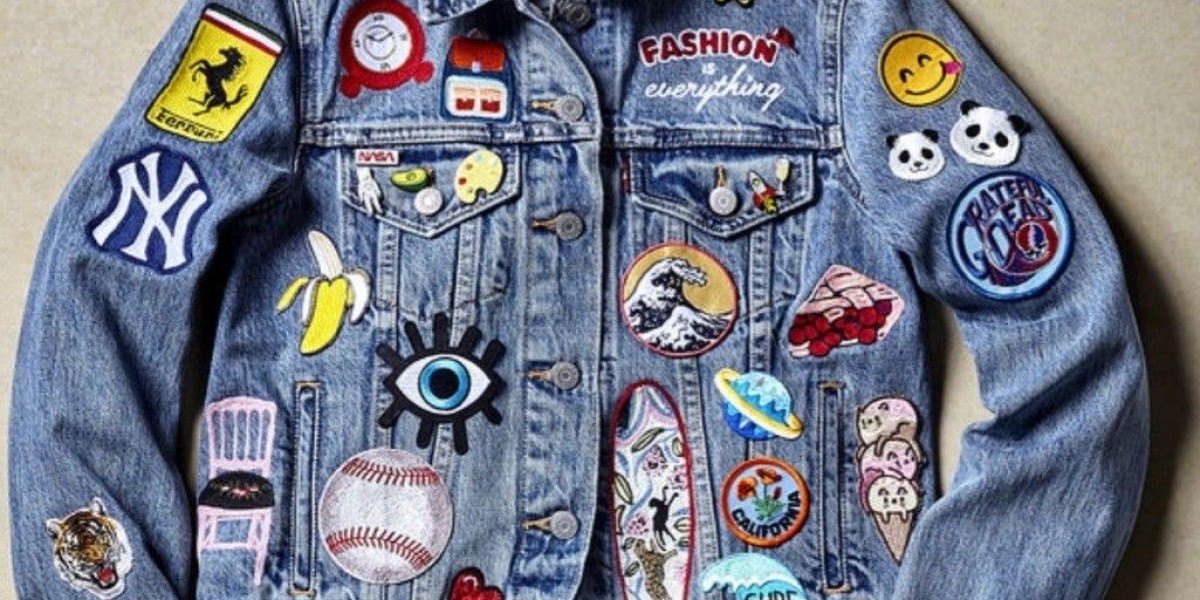
Upcycling is the process of transforming existing materials into new products with improved design and value. Instead of breaking fabric down into raw fibers, upcycling works directly with existing garments. High-quality denim is carefully selected, redesigned, and reconstructed into new fashion pieces.
This approach preserves the durability of the original material while eliminating the need to manufacture new fabric. The result is clothing that is both sustainable and creatively unique.
Sustainable brands like Avartan Avenue are embracing this concept by turning pre-loved jeans into modern jackets, skirts, and statement denim pieces. Each garment carries subtle variations in wash, texture, and character, making each piece one-of-a-kind.
Benefits of Upcycled Denim
Upcycled denim offers several advantages for both the environment and consumers.
1. Reduced Water Consumption
By reusing existing denim, the demand for new cotton production and water-intensive dyeing processes is significantly lowered.
2. Waste Reduction
Upcycling extends the life of fabric that would otherwise be thrown away, helping reduce textile waste in landfills.
3. Lower Carbon Footprint
Producing clothing from reclaimed materials requires fewer resources and less energy than manufacturing entirely new garments.
4. Unique Design
Since each denim piece has its own history, upcycled garments feature natural variations that make them unique and authentic.
The Rise of Circular Fashion
Upcycled denim is part of a broader movement known as circular fashion . This approach focuses on keeping materials in use for as long as possible by repairing, redesigning, and repurposing existing garments.
Instead of constantly producing new materials, circular fashion encourages brands and consumers to rethink the lifecycle of clothing. Upcycling fits perfectly within this system because it transforms waste into valuable, wearable designs.
Why Consumers Are Choosing Upcycled Denim
Today's consumers are becoming more conscious about what they buy and how it is produced. People are increasingly prioritising quality, durability, and sustainability over fast-changing trends.
Upcycled denim offers a way to enjoy fashionable clothing while supporting environmentally responsible practices. It allows individuals to express their style without contributing to excessive production and waste.
A More Responsible Future for Denim
Denim will always remain a staple in wardrobes around the world. The difference now is how it is made. Upcycled denim proves that fashion can evolve without sacrificing creativity or individuality.
By choosing sustainable options and supporting brands that prioritize responsible production, consumers can help shape a fashion industry that values both style and sustainability.
In the future, denim will not just represent durability and classic design — it will also symbolize innovation, responsibility, and a commitment to a more sustainable world.