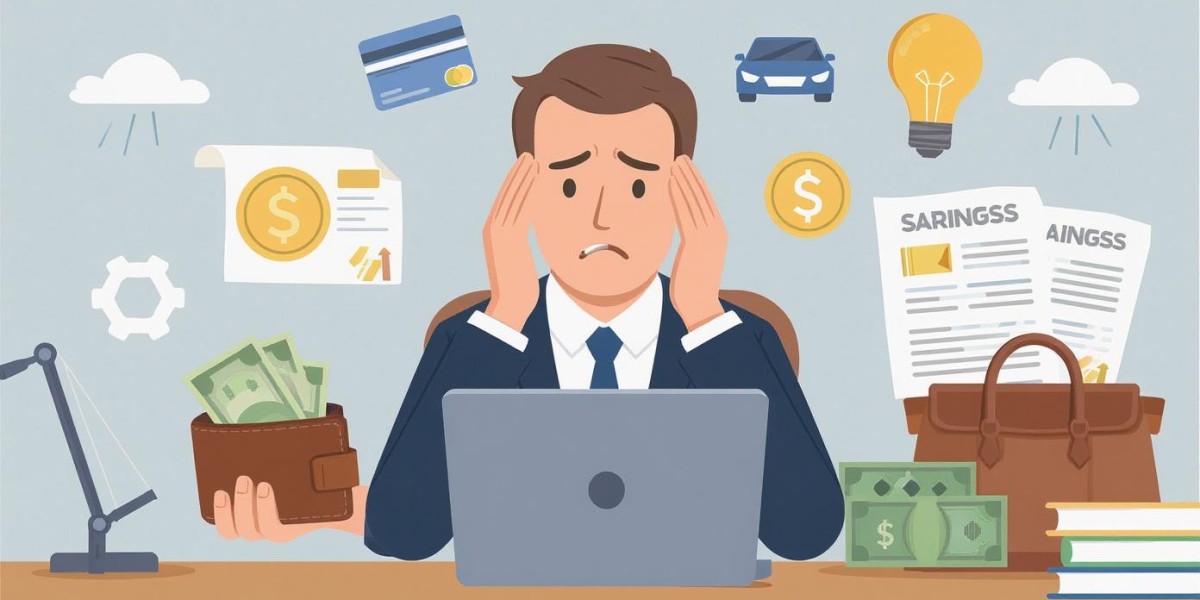

For many professionals, a salary increase should feel like progress. Yet countless individuals discover they are earning more but saving less shortly after receiving a pay raise. Instead of strengthening their financial position, higher income seems to vanish faster than expected. This pattern is not accidental. It reflects modern spending habits shaped by convenience, digital culture, financial psychology, and shifting lifestyle expectations.
The Immediate Lifestyle Adjustment
A pay raise often triggers immediate lifestyle adjustments. Instead of allowing income growth to stabilize, spending rises almost instantly. People upgrade apartments, switch to premium services, or increase entertainment budgets. These changes feel justified because income has improved. However, this quick shift from pay raise to pay out reduces the opportunity to build meaningful savings.
Modern lifestyles encourage constant upgrading. From smartphones to wardrobes, the desire to improve quality becomes stronger when income rises. Without structured planning, these upgrades become permanent expenses that limit financial growth.
Subscription Economy and Recurring Expenses
The subscription economy has transformed how money flows out of bank accounts. Streaming platforms, fitness memberships, learning apps, software tools, and food delivery memberships create ongoing monthly costs. When income increases, individuals often add more subscriptions without canceling older ones. These recurring expenses quietly expand, contributing to the experience of earning more but saving less.
Because subscription payments are automatic, they feel invisible. This invisibility makes them harder to control, especially when income growth reduces the urgency to monitor small expenses.
Convenience Culture and Premium Pricing
Modern consumers prioritize convenience. Faster delivery, priority services, premium access, and on-demand solutions all come at a cost. As income increases, people become more willing to pay for saved time and reduced effort. While convenience has value, frequent premium payments accumulate into significant monthly spending.
This culture of convenience explains why many professionals are earning more but saving less even when they believe they are making rational financial decisions.
The Influence of Social Validation
Digital platforms play a powerful role in shaping spending habits. Lifestyle visibility has become more pronounced, and higher income often increases the desire to reflect success publicly. Travel experiences, dining at premium restaurants, and branded purchases become forms of social expression.
The need for validation does not always feel intentional, but it subtly influences spending. Income growth provides the financial ability to participate, and social comparison provides the motivation.
Reward-Based Spending Patterns
Many individuals associate financial growth with personal achievement. A pay raise feels like validation for hard work, and spending becomes a reward mechanism. Celebratory purchases, upgraded experiences, and frequent indulgences follow.
While occasional rewards are healthy, repeated reward-based spending reinforces patterns that prevent savings accumulation. Over time, this behavior deepens the cycle of earning more but saving less because each milestone is matched with higher consumption.
Expanding Fixed Financial Commitments
Income growth often leads to long-term financial commitments. Larger homes require higher rent or mortgage payments. New vehicles involve insurance, fuel, and maintenance costs. Premium neighborhoods bring increased living expenses. These fixed commitments create ongoing financial pressure.
Unlike discretionary spending, fixed costs are difficult to reverse. Once locked in, they absorb income growth and reduce flexibility for saving.
Psychological Anchoring to a Higher Standard
When income rises, individuals adjust their perception of what is “normal.” Spending thresholds shift upward. What once felt expensive begins to feel affordable. This psychological anchoring to a higher standard of living drives gradual spending increases.
This adjustment often happens unconsciously. Without intentional budgeting, income growth automatically raises consumption levels, resulting in earning more but saving less despite strong financial potential.
Irregular Bonuses and Unplanned Spending
For many professionals, bonuses or incentives create irregular income spikes. Instead of allocating these funds toward savings or investments, they are frequently used for spontaneous purchases. Because bonus income feels separate from regular salary, it is often treated less carefully.
This pattern prevents long-term savings growth and reinforces unstable financial habits.
Lack of Automated Saving Systems
One major reason pay raises turn into pay outs is the absence of automated saving systems. Without automatic transfers into savings or investment accounts, extra income remains fully accessible for spending. Human behavior naturally prioritizes present enjoyment over future security unless structured systems are in place.
Automation ensures that income growth strengthens financial reserves before discretionary spending begins.
Financial Comfort Reduces Urgency
As income increases, financial stress may decrease. While reduced stress is positive, it can also lower the urgency to save aggressively. People may believe they have “enough” and postpone disciplined saving habits. Over time, this comfort-driven relaxation slows wealth building.
Important Information of This Blog
The shift from pay raise to pay out is influenced by subscription expansion, convenience culture, social validation, reward-based spending, psychological anchoring, and rising fixed commitments. Many professionals remain earning more but saving less because income growth is not supported by automated systems and structured financial planning. Transforming higher income into lasting wealth requires intentional budgeting, disciplined spending decisions, and prioritizing savings before lifestyle expansion begins.
At BusinessInfoPro, we empower entrepreneurs, small businesses, and professionals with actionable insights, strategies, and tools to fuel growth. By simplifying complex ideas in business, marketing, and operations, we help you turn challenges into opportunities and navigate today’s dynamic market with confidence. Your success is our mission because when you grow, we grow.












