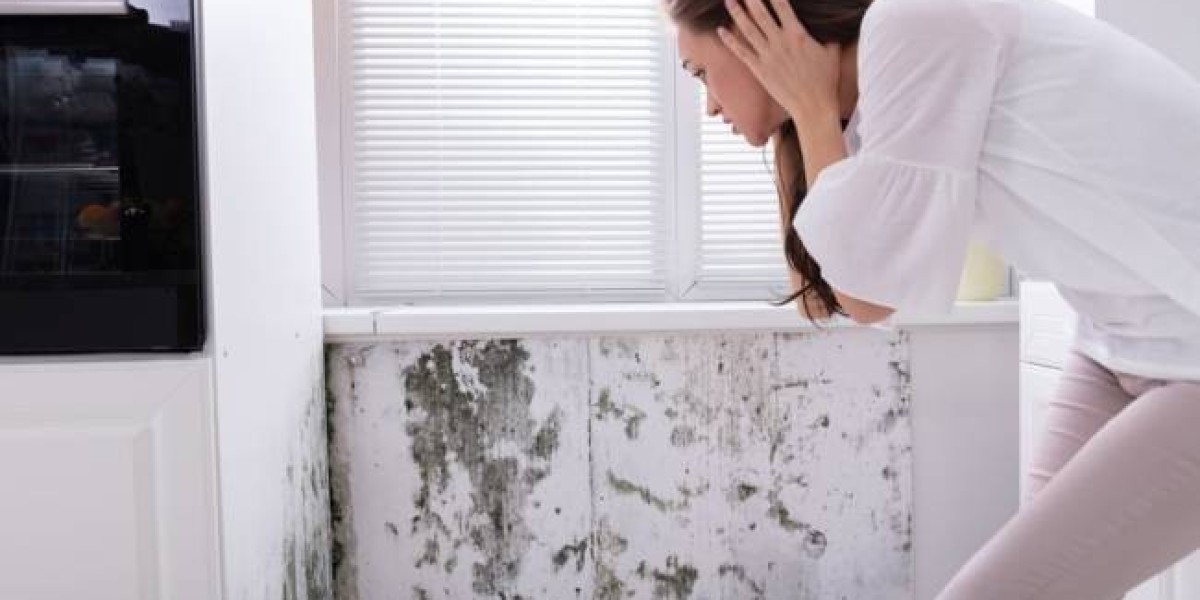

If you own (or rent) a home in Ontario, mold is one of those problems you don’t want to ignore—because it rarely stays small on its own. Mold needs only a few ingredients to grow: moisture, a food source (drywall paper, wood, dust), and time. Once those conditions line up, mold can develop in places you can’t easily see—behind drywall, under flooring, in attics, inside basements, and sometimes even in or around HVAC components.
That’s where a professional home mold inspection comes in. Instead of guessing whether you have a minor surface issue or a hidden moisture problem, an inspection helps you understand what’s happening, where it’s happening, and what you should do next. In many cases, the inspection may include testing (like surface swabs or air sampling) when it helps answer specific questions.
Simon Air Quality provides mold inspections and mold testing in Ottawa and surrounding Ontario areas, including ambient air sampling (sent to a lab for analysis) and swab sampling for surfaces like walls or carpets.
This guide breaks down what mold inspection means in Ontario, what the process looks like, when it’s worth doing, how to interpret results, and how to prevent mold from coming back https://www.simonairquality.com/service/mold-testing/.
What Is a Home Mold Inspection?
A home mold inspection is a structured evaluation of your home for:
- Visible mold growth or suspicious staining
- Moisture conditions that allow mold to grow (leaks, condensation, humidity)
- Hidden mold risk areas (attic sheathing, basements, behind finished walls, around windows, etc.)
- Ventilation and airflow issues that contribute to dampness
- Whether sampling/testing is needed to confirm or document findings
The most important idea to remember is this: mold is usually a symptom. The real root cause is almost always moisture. That’s why public health guidance emphasizes moisture control first—fix the water problem, then remove the mold.
Mold Inspection vs. Mold Testing: What’s the Difference?
People often use “inspection” and “testing” interchangeably, but they’re not the same:
Mold inspection
An inspection focuses on:
- identifying evidence of mold
- finding moisture sources
- assessing likely scope (localized vs. widespread vs. hidden)
Mold testing
Testing (sampling) is used to:
- confirm whether a substance is mold
- document the presence of mold in a specific area
- help understand what’s in the air or on a surface (in specific situations)
Simon Air Quality’s mold service page notes they can take an ambient air sample and send it to a lab for analysis, and also provide swab sampling for surface mold (including carpets).
Important context: Canadian guidance notes that “air testing” isn’t always necessary to address mold, because it doesn’t fix the moisture source and may not directly relate to health risk. In many cases, visible mold plus a moisture issue is enough to act.
That said, air sampling can still be useful for certain goals (like looking for hidden mold indicators or documentation for a transaction)—as long as it’s interpreted carefully and paired with a proper inspection.
Why Mold Matters in Ontario Homes
Ontario homes deal with seasonal patterns that can increase moisture-related issues:
- Cold winters can drive condensation on windows and cold exterior walls if indoor humidity is high
- Snow/ice and roof/attic conditions can contribute to moisture problems
- Basements often run cooler and can stay damp longer (especially with poor drainage or airflow)
- Spring thaw and heavy rain can expose foundation seepage points
Health Canada considers mold growth indoors a potential health hazard and emphasizes prevention through humidity control and repairing water damage.
Signs You Should Book a Mold Inspection
You don’t need to wait until you see major growth. Consider booking if you notice:
Strong warning signs
- Persistent musty or earthy odors (especially in basements or closets)
- Recent or recurring leaks, roof issues, or plumbing problems
- Water staining, bubbling paint, warped baseboards, or soft drywall
- Condensation problems that keep returning (windows, cold corners, exterior walls)
- A history of flooding—even if it was “dried out” quickly
- Symptoms that seem worse at home (not diagnostic, but can be a clue to investigate dampness)
Simon Air Quality specifically points to musty smells and flooding as reasons homeowners seek mold testing.
Common “hidden mold” situations
- Behind finished basement walls
- Under laminate or carpet after minor water events
- Around poorly sealed windows/doors
- Attic sheathing due to warm air leakage and condensation
- Under sinks (slow leaks)
- Bathroom walls/ceilings with weak ventilation
What Happens During a Professional Mold Inspection?
While every company has its own workflow, a solid mold inspection typically includes the following steps.
1) A quick interview and history
A good inspector starts by asking:
- When did you notice the issue?
- Any known leaks or past water events?
- Where do you smell odors?
- Any renovations, new windows, insulation changes, or HVAC updates?
Simon Air Quality notes that their inspectors conduct a quick interview and inspect the premises for possible mold development.
2) Visual assessment of high-risk areas
The inspector checks common problem zones:
- basements and crawlspaces
- bathrooms and laundry areas
- kitchens (under-sink cabinetry, plumbing penetrations)
- attics (roof sheathing, insulation conditions)
- window perimeters and exterior walls
- HVAC areas and supply/return zones (depending on the situation)
3) Moisture investigation (the “why” behind the mold)
This is crucial. Mold doesn’t stay gone unless moisture is controlled. Health Canada’s guidance focuses heavily on identifying and preventing moisture conditions that allow mold to grow.
4) Sampling (only if it helps answer the right question)
Sampling may be recommended if:
- a spot needs confirmation (mold vs. something else)
- mold is suspected but not visible
- documentation is needed (real estate, disputes, post-remediation verification)
- you need more clarity on scope
Simon Air Quality describes:
- ambient air sampling sent to a lab with results typically in a report a few days later
- swab sampling for surface mold or mold in carpets
5) Findings and next steps
A professional should leave you with:
- what was found (and where)
- what likely caused it
- what actions matter most (fix moisture first, then clean/remediate appropriately)
Understanding Mold Results Without Panic
If you do testing, the real value is in the interpretation.
Surface sample results
Surface samples help confirm whether a suspicious stain is mold and can sometimes categorize it. Useful when you need clarity on a material before you plan cleanup or remediation.
Air sample results
Air results can be tricky because mold spores exist naturally, and indoor levels can change with weather, ventilation, and activity. That’s why Canadian workplace and public guidance often cautions that air sampling isn’t always necessary to address a home mold problem.
In practice, air results are best used as supporting evidence, not a standalone “yes/no” verdict—especially for hidden-mold investigations or documentation needs.
Mold Remediation in Ontario: What “Good” Looks Like
If mold is confirmed (or strongly suspected), remediation should match the scope. Some situations are small enough for careful cleaning and prevention changes; larger or hidden contamination often calls for professional remediation.
Industry best practices for professional remediation are described in the ANSI/IICRC S520 standard (procedures and precautions for remediation work in buildings).
A reputable approach usually includes:
- fixing the moisture source
- containing dust/spores during removal (when needed)
- removing contaminated porous materials (when necessary)
- HEPA filtration and thorough cleaning
- addressing underlying building conditions to prevent recurrence
Simon Air Quality notes they work with strong partners for mold removal and emphasize updated equipment and safety measures.
Ontario Rentals: Who’s Responsible for Mold?
In Ontario, mold in rentals often becomes a “who pays/who fixes” issue. While the details depend on the situation, landlords typically have maintenance obligations, and tenants should report moisture/leaks promptly and avoid creating excessive humidity conditions.
Ontario also has municipal property standards enforcement mechanisms, and there are model property standards approaches that include mold language adopted or adapted by municipalities.
If you’re dealing with a rental mold issue, documentation (photos, written notices, inspection reports) can be extremely helpful.
Buying or Selling a Home in Ontario: Why Mold Inspections Are Common
Mold inspections are frequently requested during:
- pre-purchase home inspections (especially if there’s staining, fresh paint in odd places, or basement odor)
- pre-listing inspections (to avoid surprises)
- renovation planning for older homes with moisture history
A professional report can help you decide whether you’re dealing with:
- a localized cleanup
- a ventilation/humidity problem
- a hidden moisture issue that needs deeper investigation
How Much Does a Mold Inspection Cost in Ontario?
Costs vary widely depending on:
- home size and layout
- whether the issue is localized or suspected to be hidden/widespread
- number of sampling locations
- lab analysis and reporting scope
- travel distance (Ottawa vs. surrounding areas)
Rather than chasing the cheapest option, focus on value: a good inspection helps you avoid spending thousands on the wrong fix (or missing a moisture problem that keeps returning).
How to Choose a Mold Inspection Company in ON
Look for a provider that:
- explains inspection + moisture diagnosis clearly
- doesn’t rely on testing alone to “decide” whether mold exists
- provides understandable next steps, not just numbers
- uses appropriate sampling methods when needed
- has credible experience and professionalism
Simon Air Quality presents itself as an Ottawa-area indoor air quality company offering mold inspections, mold testing (air and swab), and broader IAQ services.
Mold Prevention: The Steps That Matter Most
No matter what your results say, prevention always comes back to moisture control.
Health Canada emphasizes:
- controlling indoor humidity
- repairing water damage promptly
- cleaning visible or concealed mold thoroughly
Practical prevention checklist:
- Fix leaks fast (roof, plumbing, windows)
- Vent bathrooms/kitchens outdoors and use fans long enough
- Keep indoor humidity in a safe range for the season
- Use dehumidifiers in damp basements
- Don’t cover wet materials and hope they dry (dry them properly or remove them)
- Improve airflow in closets and against cold exterior walls
- Address attic ventilation and air leakage paths
FAQ
Can I just “paint over” mold?
Painting over mold usually hides it temporarily and it often returns—especially if moisture remains. Moisture control and proper cleaning/removal come first.
Is all mold “toxic black mold”?
Mold types vary, and color doesn’t reliably indicate risk. Public health advice focuses less on “what species” and more on eliminating indoor growth by controlling moisture.
Do I always need air testing?
Not always. Canadian guidance notes that air testing may not be necessary to address the cause of mold damage. Testing is best used when it answers a specific question (hidden mold, documentation, verification).
If I find mold, what’s the first thing I should do?
Stop the moisture source (or reduce humidity) as soon as possible—then plan cleanup/remediation based on the size and location of growth.