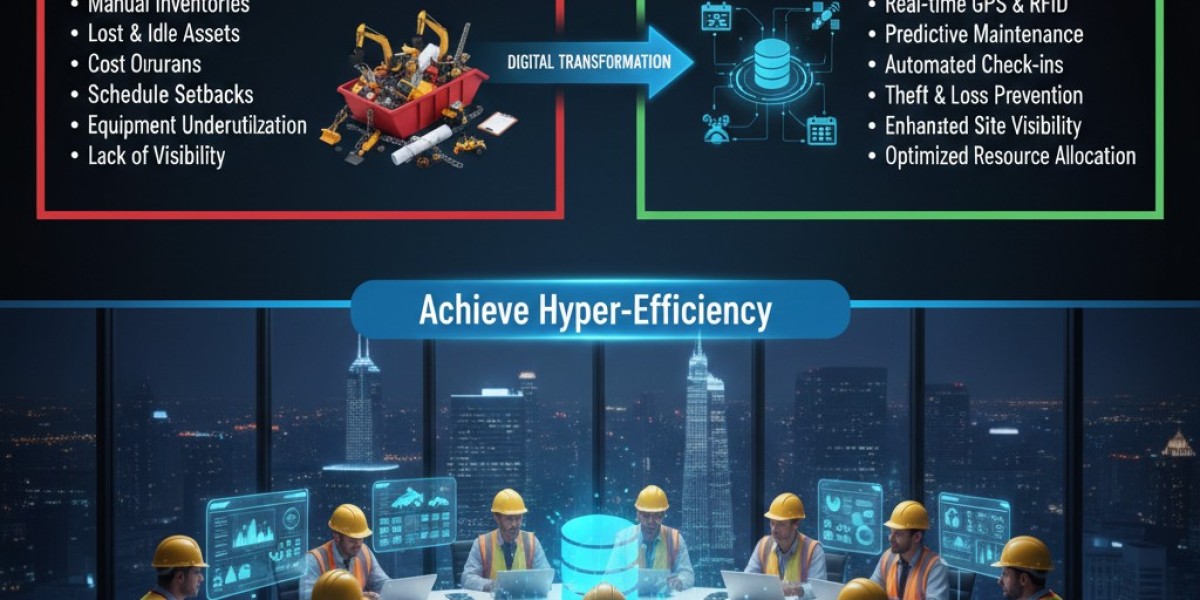

The construction industry relies on a vast array of equipment, tools, and materials to ensure that every project is completed on time and within budget. Yet, managing all these assets can often be a complex and overwhelming task. Construction site managers frequently face challenges such as equipment downtime, misplaced tools, and inefficient use of resources.
This is where construction asset tracking software steps in to make a significant difference. By leveraging digital tools and real-time data, asset tracking software provides construction teams with the ability to track, monitor, and optimize their equipment and materials efficiently. This article will explore how this technology enhances construction site efficiency, reduces operational costs, and ensures projects run smoothly.
The Role of Asset Tracking in Construction
Managing assets on a construction site goes beyond keeping track of tools and machinery. It involves maintaining the operational health of equipment, preventing theft or loss, improving productivity, and ensuring compliance with regulations. Construction asset tracking software addresses all of these challenges by offering a comprehensive digital solution.
Through real-time data collection, GPS tracking, and sensor technology, construction asset tracking software allows project managers and teams to have constant visibility of equipment usage, location, and maintenance status. This streamlined visibility leads to better decision-making, smarter resource allocation, and more efficient operations.
Benefits of Construction Asset Tracking Software
1. Real-Time Location Tracking
With traditional systems, it’s often difficult to keep track of where equipment is located at any given time. Workers may waste valuable time searching for machinery or tools, leading to inefficiencies and delays. Asset tracking software allows managers to monitor the location of each piece of equipment in real-time.
Minimized Search Time: Using GPS and RFID technology, asset tracking software ensures that equipment and tools can be quickly located, reducing the time wasted in searching for them.
Faster Project Completion: With fewer delays in locating assets, construction teams can maintain momentum, ensuring projects are completed on schedule.
This level of visibility also ensures that equipment is used efficiently across the entire site, optimizing both time and resources.
2. Optimized Equipment Utilization
Many construction companies face the issue of underutilized equipment. Idle machinery leads to unnecessary costs and reduced return on investment. Asset tracking software provides insights into how often and when each piece of equipment is used, allowing companies to identify underused assets and allocate them more efficiently.
Maximize Equipment Use: By understanding which pieces of equipment are underused, companies can reallocate resources to areas of the project where they are needed most.
Preventive Maintenance: Asset tracking software also provides data on equipment usage, which helps to schedule maintenance before issues arise. This proactive approach ensures that equipment operates at optimal capacity and minimizes the risk of breakdowns during critical project stages.
3. Efficient Maintenance Scheduling
A major contributor to project delays is unexpected equipment breakdowns. Regular maintenance is crucial to extending the lifespan of construction equipment and ensuring that it operates efficiently. With construction asset tracking software, maintenance schedules can be automated based on equipment usage data.
Scheduled Maintenance Alerts: The software generates alerts based on real-time usage data, ensuring that equipment maintenance is performed on time.
Reduce Unscheduled Downtime: By scheduling maintenance during low-use periods, project managers can avoid unexpected equipment failures that would otherwise lead to costly delays.
This approach not only reduces downtime but also helps avoid the substantial cost of emergency repairs.
4. Inventory Management and Control
Managing inventory on a construction site is a complex task. Tools, materials, and other supplies must be tracked to ensure that they are available when needed, but not overstocked, which can lead to unnecessary costs. Asset tracking software provides visibility into the current inventory and usage patterns.
Track Tools and Materials: Asset tracking software ensures that tools, equipment, and materials are accounted for, reducing the risk of loss or misplacement.
Avoid Overstocking: With real-time insights into inventory levels, managers can avoid over-ordering materials and prevent excess stock from taking up valuable space on-site.
By keeping track of inventory levels and usage patterns, asset tracking software helps ensure that materials are available when needed without causing delays or cost overruns.
5. Improved Compliance and Safety
Compliance with safety standards and regulations is essential in the construction industry. Keeping track of equipment inspections, safety certifications, and regulatory requirements can be time-consuming and prone to human error. Asset tracking software simplifies this process by automatically storing and updating inspection and compliance data.
Automated Compliance Reports: The software can generate automatic reports that detail equipment inspections, certifications, and maintenance, ensuring compliance with industry standards and regulations.
Enhance Safety: With real-time visibility into equipment health and condition, managers can ensure that only properly maintained equipment is used on-site, reducing the risk of accidents and enhancing overall safety.
By maintaining compliance with safety regulations, construction companies can reduce liability risks and create a safer work environment for employees.
6. Theft Prevention and Loss Reduction
Theft and loss of equipment on construction sites is an ongoing issue. Asset tracking software significantly reduces the likelihood of these issues by providing accurate, real-time location tracking. In the event that equipment goes missing, the software can quickly identify the last known location, making it easier to recover stolen or misplaced items.
Track Equipment in Real-Time: GPS tracking allows for instant identification of a stolen asset’s location, making recovery faster and more efficient.
Reduce Loss: Having constant visibility over assets reduces the chances of equipment being misplaced or stolen, saving companies the expense of replacement and downtime.
By improving asset security, tracking software ensures that high-value equipment remains protected and easily accessible when needed.
Conclusion
Construction asset tracking software is transforming the way construction projects are managed. With real-time tracking, optimized equipment utilization, automated maintenance schedules, improved inventory control, and enhanced safety and security, the software significantly boosts site efficiency. It provides a powerful tool for construction managers, offering insights that help improve decision-making, save time, and reduce costs.
By integrating asset tracking into everyday operations, construction companies can streamline their processes, keep projects on track, and maintain a competitive edge in a rapidly evolving industry. In a world where efficiency and productivity are crucial, leveraging the power of digital asset tracking is no longer just an option but a necessity for modern construction operations.