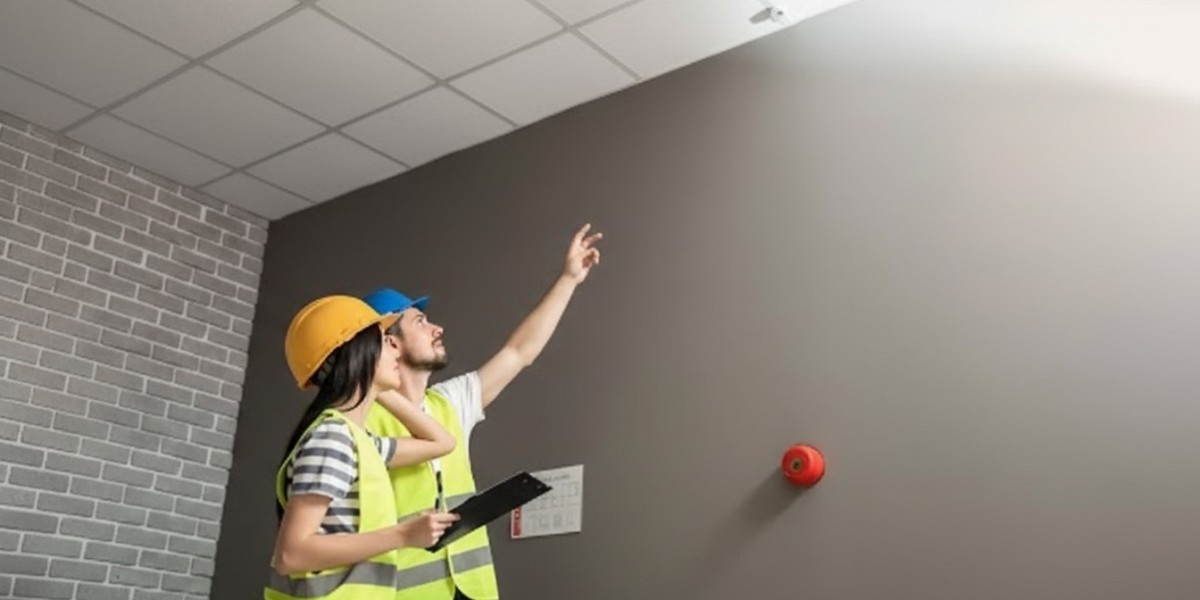

Property snagging is an essential process for anyone purchasing, owning, or investing in property. Whether the property is newly built, recently renovated, or handed over after construction, snagging helps ensure that everything meets acceptable quality standards. Many buyers believe that a finished property will be free from defects, but this is rarely the case. Property snagging exists to protect buyers from hidden issues that may otherwise go unnoticed.
This guide explains property snagging in detail, why it matters, what it involves, and how it benefits homeowners, landlords, and investors. Understanding this process allows property owners to make informed decisions and avoid unnecessary stress after moving in.
Understanding Property Snagging
Property snagging is the careful inspection of a property to identify defects, incomplete work, or poor workmanship. These issues are referred to as snags. A snag can be something small, such as uneven paintwork, or something more serious, such as faulty plumbing or structural concerns.
The main purpose of property snagging is to ensure that the property matches the agreed standard and is safe, functional, and ready for use. Once snags are identified, they can be reported and corrected by the responsible party, helping the buyer receive the quality they expected.
Why Property Snagging Is Important
Property snagging is important because it protects buyers from inheriting problems that should have been resolved earlier. Buying property involves a significant financial commitment, and overlooking defects can lead to costly repairs in the future. Snagging ensures that issues are addressed before they become the buyer’s responsibility.
Another key reason for property snagging is peace of mind. Knowing that a property has been thoroughly inspected gives buyers confidence that their home or investment is sound. It also helps reduce disputes by providing clear documentation of any defects that require attention.
For landlords and investors, property snagging supports long-term value. A well-finished property attracts tenants, reduces complaints, and lowers maintenance expenses over time.
When Property Snagging Should Be Carried Out
Property snagging is most effective when done before full occupancy. Inspecting the property early allows defects to be resolved quickly and efficiently. Builders and contractors are more likely to address issues promptly when the property is still under their care.
That said, snagging can also take place after moving in. Some defects only become visible once the property is in use. In such cases, snagging still plays an important role in identifying and resolving issues before they worsen.
What a Property Snagging Inspection Includes
A property snagging inspection covers both interior and exterior areas. Inside the property, walls, ceilings, floors, doors, and windows are checked for damage, alignment issues, and poor finishes. Paintwork, tiling, and woodwork are examined for consistency and quality.
Plumbing and electrical fixtures are also reviewed to ensure they function correctly and are safely installed. This includes taps, sinks, switches, sockets, and lighting. Storage units and fittings are checked for stability and proper installation.
Exterior areas are equally important. Snagging includes inspection of roofs, balconies, drainage systems, exterior walls, and surrounding areas. These checks help ensure durability, weather protection, and overall safety.
Common Issues Found During Property Snagging
Many property snags are minor but should not be ignored. Common issues include uneven surfaces, chipped finishes, loose handles, leaking taps, and doors that do not close properly. While these may seem small, they affect comfort and usability.
More serious snags can involve water leaks, ventilation problems, insulation gaps, or structural weaknesses. Identifying these issues early helps prevent long-term damage and expensive repairs.
Who Can Perform Property Snagging
Property owners can carry out basic snagging themselves, especially if they have experience with construction or renovations. However, professional property snagging inspections are often more thorough. Professionals are trained to identify defects that may not be obvious to an untrained eye.
Professional snagging inspections usually result in detailed reports that clearly describe each issue. These reports help buyers communicate effectively with builders or sellers and ensure accountability.
Benefits of Professional Property Snagging
Professional property snagging offers several advantages. It saves time by providing a structured inspection process and reduces stress by removing uncertainty. Buyers can rely on expert knowledge rather than guesswork.
Another benefit is improved long-term property performance. Professional snagging helps ensure that materials, installations, and finishes meet expected standards. This reduces maintenance needs and enhances durability over time.
Property Snagging for Different Property Types
Property snagging is not limited to new homes. Renovated properties often hide defects beneath new finishes. Snagging helps confirm that renovation work has been completed correctly and safely.
In resale properties, snagging provides buyers with a clear understanding of the property’s condition. This supports informed decision-making and helps avoid unexpected issues after purchase.
Preparing for Property Snagging
Preparing for property snagging involves understanding what was agreed during the purchase or renovation process. Buyers should ensure that all features and finishes match expectations.
Good lighting and access to all areas of the property help ensure a thorough inspection. Clear notes and observations make it easier to communicate issues and ensure they are resolved properly.
Frequently Asked Questions About Property Snagging
What is the main purpose of property snagging
The main purpose of property snagging is to identify defects and unfinished work so they can be corrected before the buyer takes full responsibility.
Is property snagging only useful for new properties
No, property snagging is useful for new builds, renovated homes, and existing properties.
Can property snagging help reduce future repair costs
Yes, early identification of defects helps prevent costly repairs later.
Should property snagging be done by a professional
Professional snagging provides expert insight and a more detailed inspection, making it a valuable option for most buyers.
What happens after a property snagging inspection
A snag list is created and shared with the responsible party so issues can be corrected.
Conclusion
Property snagging is a vital step in ensuring quality, safety, and satisfaction in property ownership. It protects buyers from hidden defects, reduces future expenses, and provides confidence in a major investment. Whether purchasing a new home, moving into a renovated property, or investing in real estate, property snagging plays a key role in long-term success.
By taking property snagging seriously, buyers can avoid unnecessary stress and enjoy a property that truly meets their expectations. It is not just an inspection process, but a smart approach to responsible and informed property ownership.