
What actually happens when your jawbone isn’t strong enough
Let’s be real — most people don’t think about their jawbone until something goes wrong. Teeth fall out, years pass, and slowly the bone underneath shrinks. That’s just biology doing its thing. When you finally decide on dental implants, the first thing an oral maxillofacial surgeon in NYC looks at is bone volume, because implants need something solid to anchor into. If the bone is too thin or soft, the implant simply won’t hold properly. That’s where the procedure for dental implants with bone grafting comes into the conversation — not as an extra step to annoy you, but as a structural fix. Think of it like rebuilding the foundation before putting up the house again. Skip that part, and the whole thing can fail later… and yeah, that gets expensive, fast.
Why bone loss happens faster than most people expect
Truth is, bone loss doesn’t wait around politely. The moment a tooth disappears, the jawbone starts losing density because it’s no longer being stimulated by chewing pressure. Some people lose noticeable volume within months. Others take years, but either way, it happens. Gum disease speeds it up, trauma speeds it up, dentures can even contribute if they don’t fit well. So by the time someone walks into an oral maxillofacial surgeon in nyc asking about implants, the bone situation may already be… not great. That’s why imaging matters so much. X-rays and 3D scans show what the eye can’t — hidden thinning, hollow areas, weak spots that would never support an implant on their own. And suddenly that bone graft doesn’t seem optional anymore.
What the bone grafting process really looks like step by step
People hear “bone graft” and imagine something dramatic. Honestly, most of the time it’s more controlled than scary. During the procedure for dental implants with bone grafting, material is placed in the area where bone is missing or weak. That material might come from your own body, a donor source, or synthetic medical-grade substitutes — all designed to encourage new bone growth. Over time, your body integrates it. The graft becomes part of your natural structure. Healing can take a few months, sometimes longer depending on how much rebuilding is needed. It’s not instant gratification, no. But it’s deliberate, careful rebuilding that makes implants possible later. Without that step, many patients wouldn’t qualify for implants at all.
The waiting period nobody loves but everyone needs
Here’s the part patients struggle with — waiting. After bone grafting, your body needs time to grow real, living bone around the graft material. That doesn’t happen overnight. Depending on the size and location of the graft, healing might take three months… or six… occasionally more. The short answer is your biology sets the schedule, not your calendar. During this phase, your oral maxillofacial surgeon in nyc monitors progress with imaging and checkups. It can feel slow, yeah. But rushing implant placement before the bone is ready is one of the biggest causes of implant failure. Waiting isn’t wasted time. It’s preparation that makes everything else work.
When implants and grafting happen at the same appointment
Sometimes timing works out differently. If bone loss is mild or localized, the procedure for dental implants with bone grafting can happen simultaneously with implant placement. This is called immediate grafting. The surgeon stabilizes the implant while adding graft material around it to strengthen surrounding bone. Not everyone qualifies for this approach — stability has to be good from the start. But when it’s possible, it shortens the overall treatment timeline. Patients like that part. Fewer surgeries, fewer visits, less waiting. Still, it depends heavily on bone quality, location, and overall oral health. There’s no universal template here.
How surgeons decide what type of graft you actually need
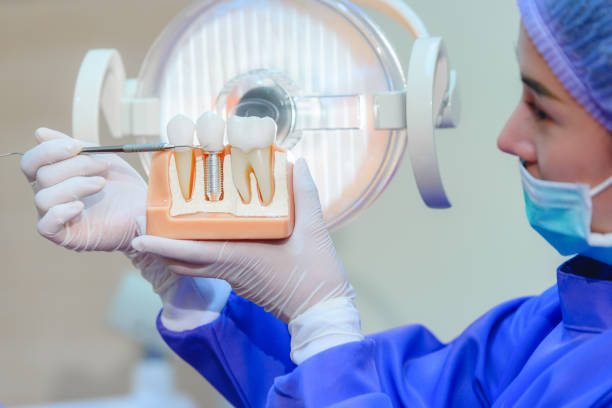
Not all bone grafts are the same. Some rebuild height, some rebuild width, others fill small defects around implant sites. Your oral maxillofacial surgeon in nyc evaluates bone density, shape, and long-term stress patterns from chewing. That last part matters more than people realize. Implants aren’t decorative — they carry real force every day. The procedure for dental implants with bone grafting is customized because jaw anatomy is wildly different from person to person. One patient might need a sinus lift in the upper jaw. Another might need ridge augmentation. Someone else just needs minor reinforcement. Treatment planning isn’t guesswork. It’s engineering, really… biological engineering.
Pain, swelling, and recovery — the honest version
Patients always ask about pain. Fair question. Most bone graft procedures cause swelling and soreness for several days, sometimes a week or two. It’s manageable though — medication, rest, soft foods. Nothing glamorous, but not unbearable either. The bigger thing is patience during healing. You might feel normal long before the bone is fully integrated. That’s where follow-ups matter. Your surgeon checks progress, sometimes more than once. The procedure for dental implants with bone grafting is successful partly because healing is monitored closely, not ignored after surgery day. Recovery isn’t dramatic… just steady and a bit inconvenient.
Long-term success depends on doing this part right
Here’s something people don’t hear enough — implant failure often traces back to poor bone support. Even if an implant feels stable at first, weak surrounding bone can lead to gradual loosening. That’s why experienced oral maxillofacial surgeon in nyc specialists treat bone preparation seriously. The implant itself is just a titanium post. Its success depends entirely on what surrounds it. When grafting is done properly, the new bone integrates and supports the implant for decades. Skip the graft when it’s needed, and longevity drops sharply. It’s that simple. Foundation first, restoration second.
Why experience matters more than fancy technology
Technology helps, sure. 3D imaging, surgical guides, digital planning — all useful tools. But the surgeon’s judgment matters more. Bone grafting requires understanding healing patterns, structural forces, and patient-specific risks. The procedure for dental implants with bone grafting isn’t mechanical repetition. It’s decision-making in real time. That’s why choosing the right oral maxillofacial surgeon in NYC is such a big deal. Experience shows in subtle choices — graft type, placement angle, timing of implant insertion. These decisions shape outcomes years later. Not just months.
The emotional side patients rarely talk about
Let’s be honest… tooth loss messes with confidence. Eating changes. Speaking feels different. Smiling becomes calculated. Bone grafting can feel like an obstacle delaying the final result, but it’s actually the step that makes a permanent solution possible. Patients often feel relief once they understand the plan. The procedure for dental implants with bone grafting isn’t about adding complexity — it’s about making the restoration strong enough to feel natural again. That emotional shift matters. People want reliability, not temporary fixes that fail later.
Why location and specialized care make a difference
Complex implant reconstruction isn’t routine dentistry. It requires surgical training, imaging interpretation, and long-term planning. In a place like New York City, access to specialized surgical care means more treatment options and advanced techniques. Patients with severe bone loss, trauma history, or long-term denture use often need that higher level of expertise. An experienced oral maxillofacial surgeon in NYC handles these complexities daily. That repetition builds precision. And precision reduces complications — which is what every patient wants.
What happens after implants are finally placed
Once healing is complete and bone is stable, implant placement feels almost anticlimactic. The hard work already happened. The implant integrates with bone through osseointegration — basically, the bone grows tightly around it. Over time, it becomes as stable as a natural tooth root. From there, crowns or restorations are attached, restoring function and appearance. Patients often forget they ever had bone loss in the first place. That’s the goal. Long-term comfort, strength, and normal chewing — not constant awareness of dental work.
FAQs About Procedure for Dental Implants With Bone Grafting
How do I know if I need bone grafting before dental implants?
You won’t know for sure without imaging. A clinical exam alone can’t measure bone density or volume accurately. Your oral maxillofacial surgeon in nyc uses 3D scans to determine whether the jaw can support implants safely. If bone is insufficient, grafting becomes part of the treatment plan.
Is the procedure for dental implants with bone grafting safe?
Yes, when performed by a trained specialist, it’s highly predictable. Modern graft materials are biocompatible and designed to integrate with natural bone. Complications are uncommon and usually manageable when they occur.
How long does the full treatment timeline usually take?
It varies widely. Minor grafts may heal in a few months, while extensive reconstruction can take longer. Implant placement and final restoration add additional time. Some patients complete treatment within six months, others take closer to a year.
Will bone grafting change my facial appearance?
In many cases, it actually helps preserve facial structure. Bone loss can cause a sunken look around the mouth and jaw. Rebuilding that bone supports soft tissue and maintains natural contours.
Can bone loss come back after grafting?
Once integrated and stimulated by chewing forces from implants, grafted bone typically remains stable. However, poor oral hygiene, untreated gum disease, or medical factors can affect long-term outcomes.
If you’re considering implants and unsure whether bone grafting is part of your path, don’t guess. Get a proper evaluation from specialists who handle complex cases every day. Visit New York Oral & Facial Surgery to start your consultation and build a treatment plan that actually lasts.