
What Is Stage 1 vs Stage 2 Hypertension?
High blood pressure—medically known as hypertension—is one of the most common chronic health conditions in the United States. According to US health guidelines, hypertension is divided into stages, mainly Stage 1 and Stage 2, based on blood pressure readings. Understanding the difference between these stages is crucial because early diagnosis and proper treatment can significantly reduce the risk of heart attack, stroke, kidney disease, and other complications.
This blog explains Stage 1 vs Stage 2 hypertension, their symptoms, causes, treatment options, and commonly prescribed medicines such as Nifedipine, including depin 5. The information is focused on US clinical practices and patient awareness.
Understanding Blood Pressure Readings
Blood pressure is measured using two numbers:
Systolic pressure (top number): Pressure when the heart beats
Diastolic pressure (bottom number): Pressure when the heart rests between beats
Blood pressure is measured in millimeters of mercury (mmHg).
What Is Stage 1 Hypertension?
In the United States, based on the American College of Cardiology (ACC) and American Heart Association (AHA) guidelines, Stage 1 hypertension is defined as:
Systolic: 130–139 mmHg
Diastolic: 80–89 mmHg
Symptoms of Stage 1 Hypertension
Most people with Stage 1 hypertension have no noticeable symptoms. That’s why it’s often called a silent condition. Some individuals may experience:
Mild headaches
Fatigue
Occasional dizziness
Causes of Stage 1 Hypertension
Common causes include:
High salt intake
Stress and anxiety
Obesity
Sedentary lifestyle
Smoking or excessive alcohol consumption
Family history of high blood pressure
Treatment for Stage 1 Hypertension
For many US patients, treatment begins with lifestyle modifications, especially if there is no existing heart disease.
Lifestyle changes include:
Reducing sodium intake
Following the DASH diet
Regular physical activity
Weight loss
Stress management
If lifestyle changes are not enough, doctors may prescribe medications such as calcium channel blockers. In some cases, Nifedipine may be considered depending on individual risk factors.
What Is Stage 2 Hypertension?
Stage 2 hypertension is more severe and requires immediate medical attention. It is defined as:
Systolic: 140 mmHg or higher
Diastolic: 90 mmHg or higher
Symptoms of Stage 2 Hypertension
Stage 2 hypertension is more likely to cause symptoms, including:
Severe headaches
Chest pain
Shortness of breath
Vision problems
Nosebleeds
If untreated, this stage significantly increases the risk of cardiovascular events.
Causes of Stage 2 Hypertension
Stage 2 may develop from untreated Stage 1 hypertension or due to:
Chronic kidney disease
Hormonal disorders
Long-term stress
Poor medication adherence
Treatment for Stage 2 Hypertension
In the US, medication therapy is mandatory for Stage 2 hypertension, along with lifestyle changes.
Doctors often prescribe:
Calcium channel blockers
ACE inhibitors or ARBs
Diuretics
Combination therapy for better control
One commonly prescribed calcium channel blocker is Nifedipine, available in formulations such as depin 5 tablet and depin 5mg, depending on the patient’s condition.
Role of Nifedipine in Hypertension Treatment
Nifedipine is a calcium channel blocker that works by relaxing blood vessels, allowing blood to flow more easily and lowering blood pressure.
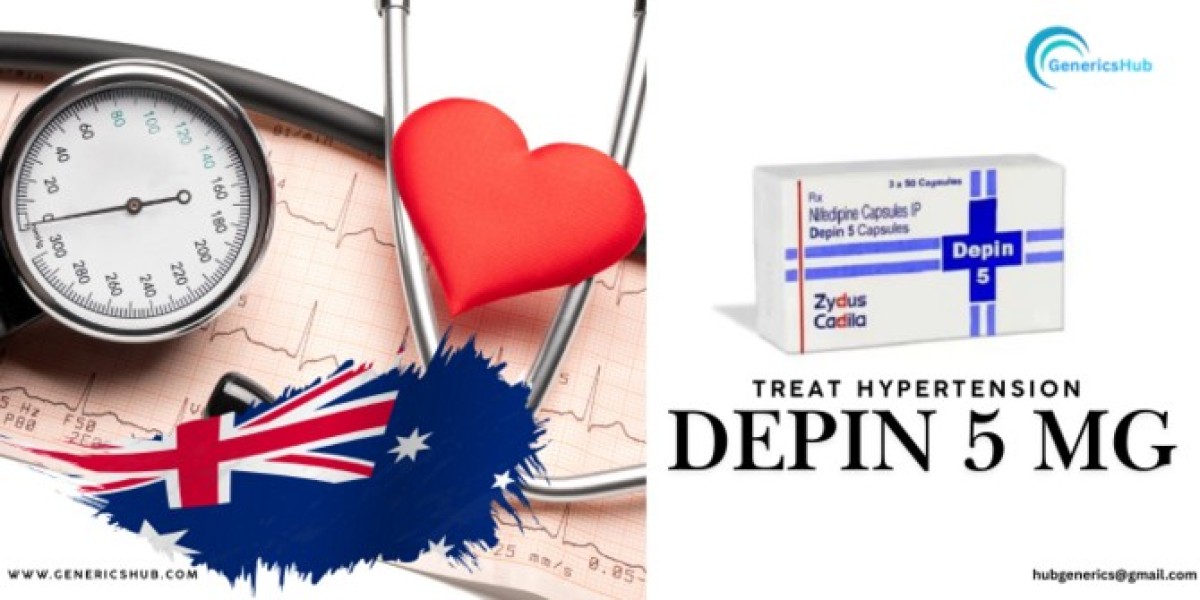
Depin 5 Tablet and Depin 5mg
Depin 5 tablet contains depin 5mg of Nifedipine
It is often used in patients who need gradual blood pressure control
Commonly prescribed for hypertension and certain heart-related conditions
In US clinical practice, Nifedipine may be used alone or in combination with other medications, especially in patients who do not respond adequately to first-line therapies.
Benefits of Depin 5mg
Effective in lowering systolic and diastolic pressure
Helps reduce strain on the heart
Useful in patients with angina and vascular conditions
Important note: Depin 5mg should only be taken under medical supervision, as dosage and timing are critical to avoid side effects.
Key Differences Between Stage 1 and Stage 2 Hypertension
| Feature | Stage 1 | Stage 2 |
|---|---|---|
| Blood Pressure | 130–139 / 80–89 | ≥140 / ≥90 |
| Severity | Mild to moderate | Severe |
| Treatment | Lifestyle ± medication | Medication + lifestyle |
| Risk of Complications | Moderate | High |
| Need for Drugs | Sometimes | Always |
Frequently Asked Questions (FAQ)
1. Can Stage 1 hypertension be reversed?
Yes, many US patients can control or even reverse Stage 1 hypertension with lifestyle changes and regular monitoring.
2. Is Stage 2 hypertension dangerous?
Yes. Stage 2 hypertension significantly increases the risk of heart attack, stroke, and kidney failure if untreated.
3. Is depin 5 tablet safe for long-term use?
When prescribed by a healthcare provider, depin 5 tablet is generally safe, but regular follow-ups are essential.
4. How long does depin 5mg take to work?
Depin 5mg usually starts lowering blood pressure within a few hours, but full benefits may take several days.
Conclusion
Understanding the difference between Stage 1 vs Stage 2 hypertension is essential for timely treatment and long-term health. Stage 1 hypertension often responds well to lifestyle changes, while Stage 2 hypertension requires immediate medication therapy. In the United States, doctors frequently prescribe medications like Nifedipine, including depin 5 tablet and depin 5mg, to help manage elevated blood pressure effectively.
Early diagnosis, consistent treatment, and healthy lifestyle choices can prevent serious complications and improve overall quality of life. If you suspect high blood pressure, consult a healthcare provider and begin managing it before it progresses to a more dangerous stage.