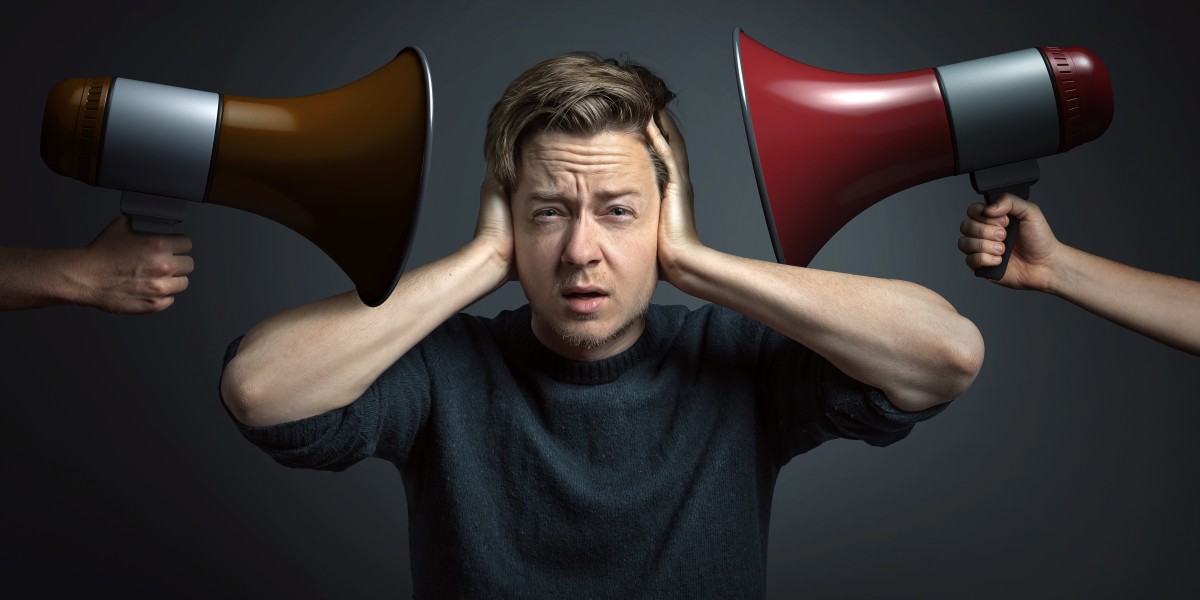

Understanding High Pitch Sound is essential for anyone interested in hearing, communication, and overall well-being. From the whistle of a kettle to the chirping of birds, high-frequency sounds are a natural part of daily life. Yet many people don’t fully understand what makes a sound “high-pitched,” how it affects our ears, or why it matters for health.
In this detailed guide, we’ll explore the meaning, science, examples, effects, and practical tips related to High Pitch Sound in a clear and engaging way.
What Does High Pitch Sound Mean?
High Pitch Sound refers to a sound with a high frequency. Frequency is measured in Hertz (Hz) and indicates how many sound wave cycles occur per second. The higher the frequency, the higher the pitch we perceive.
For example:
A bass drum produces a low-frequency sound (low pitch).
A whistle produces a high-frequency sound (high pitch).
Human hearing typically ranges from 20 Hz to 20,000 Hz. Sounds closer to 20,000 Hz are considered high-pitched. Children and young adults usually hear higher frequencies better than older adults because hearing sensitivity decreases with age.
Pitch is not the same as volume. Volume refers to how loud or soft a sound is, while pitch refers to how high or low it sounds. A High Pitch Sound can be loud or soft depending on the amplitude of the sound wave.
The Science Behind High Pitch Sound
The science of High Pitch Sound lies in the behavior of sound waves. Sound travels in waves created by vibrating objects. When an object vibrates quickly, it produces waves with shorter wavelengths and higher frequencies. These fast vibrations create the sharp, thin quality we associate with high-pitched sounds.
Inside the ear, the cochlea plays a major role. It contains tiny hair cells that respond to different frequencies:
Hair cells near the base detect high frequencies.
Hair cells deeper inside detect lower frequencies.
When exposed to prolonged High Pitch Sound, especially at high volumes, these hair cells can become damaged. Unlike other cells in the body, they do not regenerate easily, which can lead to permanent hearing loss.
In many Health And Wellness Articlesl, experts explain how repeated exposure to high-frequency noise can contribute to stress, sleep disturbances, and long-term auditory damage. This is why understanding high-pitched sounds is not just a science topic—it’s also a health matter.
Common Examples of High Pitch Sound
You encounter High Pitch Sound in everyday life more often than you might think. Some common examples include:
Whistles
Alarm clocks
Sirens
Bird chirping
Children’s voices
Electronic beeps
Feedback noise from microphones
For instance, the beeping sound of a microwave oven or a smartphone notification is designed to be high-pitched so it grabs attention quickly. High frequencies are easier for the human brain to detect in noisy environments.
Musical instruments also produce high-frequency sounds:
Flutes
Violins (upper notes)
Piccolos
These instruments create bright and sharp tones that stand out in orchestras and music recordings.
High Pitch Sound in Nature and Technology
Nature is full of High Pitch Sound signals. Birds use high-frequency chirps to communicate over long distances. Insects like crickets and cicadas also produce sharp sounds to attract mates.
In the animal kingdom, bats use extremely high-frequency sounds—often beyond human hearing—for echolocation. These ultrasonic waves help them navigate and hunt in the dark.
Technology also relies heavily on high-frequency audio:
Ultrasonic cleaners
Medical imaging equipment
Motion sensors
Security alarms
These systems often use frequencies above the human hearing range. Although we cannot hear them, they are still considered high-frequency sound waves.
In modern environments, artificial High Pitch Sound is common due to electronics, industrial equipment, and transportation systems.
Effects of High Pitch Sound on Human Hearing
While High Pitch Sound can be harmless at low volumes, prolonged exposure to loud high-frequency noise can cause serious issues.
Short-Term Effects:
Ear discomfort
Ringing in the ears (tinnitus)
Temporary hearing reduction
Long-Term Effects:
Permanent hearing damage
Increased sensitivity to sound
Chronic tinnitus
High-frequency noise often feels more irritating than low-frequency sound. This is because our ears are particularly sensitive to frequencies between 2,000 and 5,000 Hz, a range where many sharp sounds occur.
Work environments such as construction sites, factories, and music venues often expose people to repeated high-frequency sounds. Without proper hearing protection, this exposure can gradually damage the inner ear.
Why High Pitch Sound Feels Irritating
Many people describe High Pitch Sound as annoying or even painful. But why?
There are a few reasons:
Evolutionary Response
High-frequency sounds often signal danger. For example, a baby’s cry is high-pitched to quickly alert caregivers.Brain Sensitivity
The human brain processes high frequencies more sharply, making them feel more urgent.Ear Structure
The part of the cochlea responsible for detecting high frequencies is particularly sensitive and vulnerable.
Because of these factors, a loud High Pitch Sound like a smoke alarm can feel piercing and stressful. This design is intentional—it ensures that people respond quickly.
How to Protect Yourself from High Pitch Sound
Protecting your hearing from excessive High Pitch Sound is essential for long-term wellness. Here are practical steps you can take:
1. Use Ear Protection
Wear earplugs or noise-canceling headphones in noisy environments.
2. Lower Device Volume
Keep headphone and speaker volumes at safe levels. A good rule is the 60/60 rule: listen at 60% volume for no more than 60 minutes at a time.
3. Limit Exposure Time
Avoid staying too long in environments with constant high-frequency noise.
4. Soundproof Your Space
Use curtains, carpets, and acoustic panels to reduce sharp noise reflections in your home.
5. Get Hearing Tests
Regular hearing checkups can detect early damage caused by repeated High Pitch Sound exposure.
Taking preventive measures today can preserve your hearing quality for years to come.
The Role of High Pitch Sound in Communication and Music
Despite potential risks, High Pitch Sound plays a powerful role in communication and art.
In Communication:
Baby cries are high-pitched to demand attention.
Emergency alarms are designed with high frequencies.
Notification sounds use sharp tones to stand out.
In Music:
High notes add brightness and emotional intensity. Singers use high pitch to express excitement, tension, or climax in a song. Instruments like violins and flutes rely on high-frequency vibrations to create expressive melodies.
Without High Pitch Sound, music would lack brilliance and sparkle. Similarly, many warning systems would be less effective.
Conclusion: Understanding High Pitch Sound in Daily Life
High Pitch Sound is more than just a sharp or shrill noise—it’s a scientific phenomenon tied directly to sound frequency and human perception. From nature and music to technology and safety systems, high-frequency sounds play a vital role in our world.
However, repeated exposure to loud high-frequency noise can harm hearing and overall well-being. By understanding how High Pitch Sound works and taking preventive measures, you can enjoy its benefits while protecting your ears.
Whether it’s the chirping of birds, the melody of a violin, or the beep of your phone, high-pitched sounds shape our everyday experiences. Awareness and moderation are the keys to maintaining healthy hearing for life.