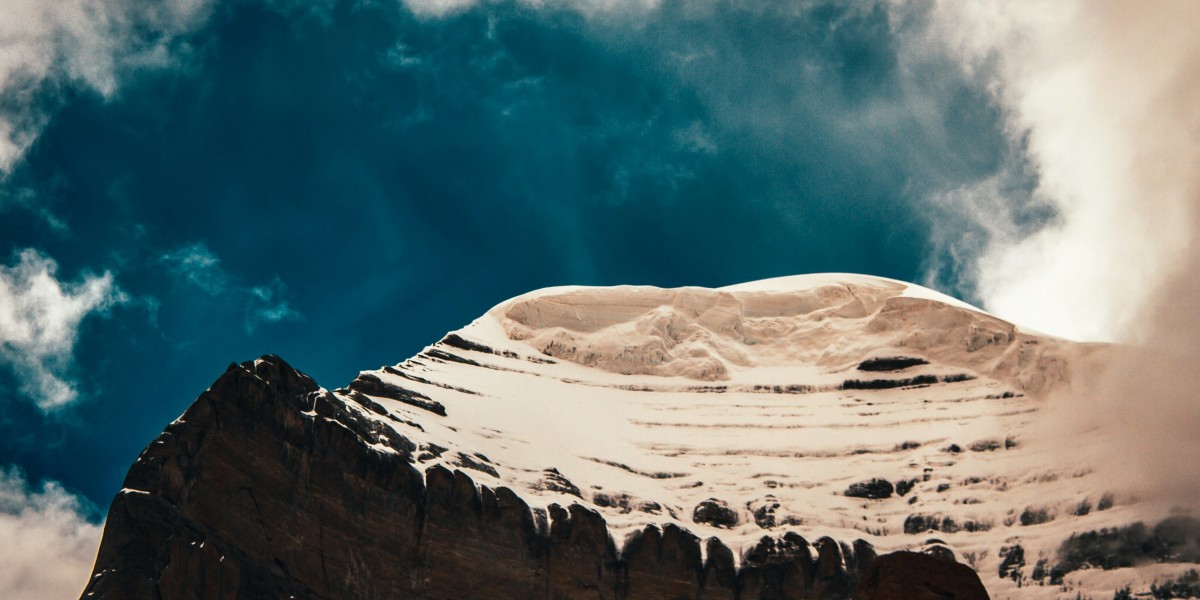

A Journey That Calls the Heart
Some journeys are not just trips. They feel like a call. The Kailash Mansarovar Yatra is one of them. From the moment I first heard about it, something stayed with me. The idea of walking toward a sacred mountain, guided by faith, hope, and inner strength, felt powerful. In the very first days of the journey, as I moved closer to Kailash Manasarovar, I understood why people from all over the world dream of this pilgrimage. It is not about speed or comfort. It is about meaning.
This yatra is known as one of the most sacred pilgrimages on Earth. Hindus, Buddhists, Jains, and Bon followers all believe Mount Kailash is holy. Many say it is the center of the world. You do not climb the mountain. You walk around it with respect. Every step feels special.
Why Kailash Mansarovar Is So Sacred
Mount Kailash is not just a mountain. For Hindus, it is the home of Lord Shiva. For Buddhists, it is linked to deep wisdom and peace. Jains believe their first teacher found freedom here. Bon followers see it as a place of power and spirit.
Near the mountain lies Lake Mansarovar, one of the highest freshwater lakes in the world. The water is clear and calm. Many pilgrims take a holy bath here. Others simply sit in silence. People believe that being near the lake cleans the soul and mind.
You do not need to follow a religion to feel something here. The quiet land, wide skies, and strong mountains speak to everyone.
The Meaning of the Parikrama
The heart of the Kailash Mansarovar Yatra is the Kailash Parikrama, also called the Kora. This is the walk around Mount Kailash. It is done with prayer, patience, and respect.
Some people walk slowly, stopping often. Some chant prayers. Others walk in silence. There is no right way. What matters is intention. The path can be tough. The air is thin. The weather can change fast. But many say the hard parts make the journey more meaningful.
Completing one full Parikrama is believed to wash away past mistakes. Some pilgrims do it many times in their life. Each time feels different.
Trekking Facts and Useful Statistics
The Kailash Mansarovar Yatra is not a long trek, but it is challenging because of the high altitude.
Average Yatra Duration: 14 to 18 days
Total Walking Distance (Parikrama): About 52 kilometers
Average Daily Walking Time: 5 to 7 hours
Maximum Elevation: Around 5,630 meters at Dolma La Pass
Lake Mansarovar Elevation: About 4,590 meters
Because of the height, slow walking and rest days are very important. Most groups include time to adjust to the altitude.
A Simple Daily Life on the Trail
Life during the yatra is simple. Days start early. The sun rises over dry land and snow peaks. Meals are basic but warm. Tea feels special in the cold air. Even small comforts feel big here.
You walk, rest, eat, and sleep. That’s it. Phones do not work much. There are no busy roads. No loud noise. This simple routine helps clear the mind.
You meet people from many places. Some are old, some young. Some walk with strong steps, others slowly. Everyone helps each other. A kind word or shared smile means a lot at high altitude.
Challenges That Test the Body and Mind
This journey is not easy. The biggest challenge is the altitude. Breathing feels harder. Sleep can be light. Some days feel long. Cold wind and strong sun can come on the same day.
But the yatra teaches patience. You learn to listen to your body. You learn to slow down. You learn that strength is not only in muscles but also in calm thinking.
Good guides, proper planning, and a positive mindset make a big difference. Most people who prepare well complete the journey safely.
Inner Change Along the Way
Many pilgrims say the real journey happens inside. As days pass, worries from daily life start to fade. Thoughts become clearer. Emotions rise and settle.
Standing near Mount Kailash, many feel small but peaceful. Problems seem lighter. Some people cry. Some laugh. Some feel quiet joy.
You may start the yatra with one wish and return with another. This change is why people call it a life experience, not just a trip.
Best Time to Do the Yatra
The Kailash Mansarovar Yatra is usually done between May and September. These months have safer weather and open routes. July and August may see rain in some areas, while May, June, and September are often clearer.
Planning early is important. Permits, travel routes, and group size all matter. A trusted organizer helps manage these details.
Who Should Consider This Journey
This yatra is for people who feel ready for both physical effort and mental calm. You do not need to be an athlete, but you should be healthy and prepared to walk at high altitude.
More than fitness, you need patience and respect for nature. If you are looking for luxury, this may not be for you. But if you seek meaning, peace, and a deep experience, this journey gives a lot.
A Journey That Stays With You
The Kailash Mansarovar Yatra does not end when you return home. The memories stay strong. The silence, the wind, the mountain path—these come back in quiet moments.
Many people say they feel more grateful after the journey. Life feels simpler. Problems feel manageable. The yatra leaves a gentle mark on the heart.
If you ever feel the call, listen. Some journeys choose you. This is one of them.