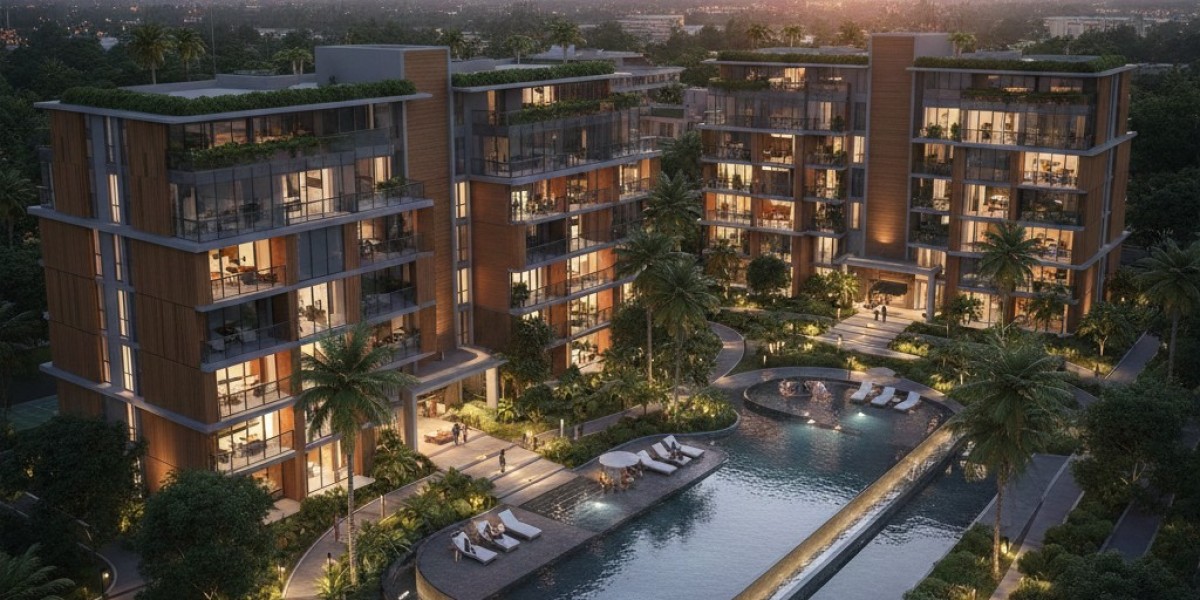

In today’s highly competitive real estate and architecture industries, visual communication plays a critical role in how projects are presented, approved, and marketed. Traditional 2D drawings and blueprints are no longer enough to fully convey design intent to clients, investors, and stakeholders. This is where 3D architectural rendering has become an essential tool.3D architectural rendering allows professionals to transform design concepts into realistic, high-quality visual images that clearly showcase how a building or space will look before construction begins. For real estate developers, architects, builders, and marketers, this technology has become a game-changer for winning projects, securing approvals, and accelerating sales.This complete guide explains what 3D architectural rendering is, how it works, its key benefits, types, use cases, and why it is now a must-have for modern real estate and architecture professionals.
What Is 3D Architectural Rendering?
3D architectural rendering is the process of creating realistic digital images or animations of buildings, interiors, and landscapes using specialized 3D modeling and visualization software. These renderings are based on architectural drawings, floor plans, CAD files, and design specifications.Instead of relying on flat technical drawings, 3D renderings provide lifelike visuals that show materials, lighting, textures, shadows, and environmental context. The result is a highly detailed and photorealistic representation of a project even before a single brick is laid.For non-technical clients, 3D architectural rendering makes it much easier to understand design concepts, layout, scale, and overall aesthetics.
How 3D Architectural Rendering Works
The 3D rendering process typically involves several structured steps to ensure accuracy and realism.
3D Modeling
First, architects or visualization specialists create a 3D digital model of the building or space using architectural plans and measurements. This model represents walls, floors, roofs, windows, doors, and major structural elements.
Applying Materials and Textures
Next, realistic materials such as wood, concrete, glass, metal, stone, and fabrics are applied to the model. Textures help simulate real-world surfaces and finishes.
Lighting Setup
Lighting is one of the most important aspects of rendering. Natural sunlight, artificial lighting, and shadows are carefully added to create depth, realism, and mood.
Environment and Context
Surroundings such as landscaping, streets, sky, neighboring buildings, and interior décor are added to make the scene feel complete and realistic.
Final Rendering
The scene is then rendered using powerful software that calculates lighting, reflections, and shadows to produce a high-resolution final image or animation.
Why 3D Architectural Rendering Matters
3D architectural rendering is no longer just a “nice to have.” It has become a strategic tool that impacts project success in multiple ways.
Better Design Communication
Clients often struggle to interpret technical drawings. 3D renderings make designs easy to understand, reducing confusion and miscommunication.
Faster Project Approvals
Clear visuals help planning authorities, investors, and stakeholders quickly grasp project intent, which can speed up approvals and decision-making.
Reduced Costly Revisions
By visualizing the project early, potential design issues can be identified before construction, saving time and money.
Stronger Marketing and Sales
High-quality renderings create emotional connections and help buyers visualize living or working in the space boosting marketing effectiveness.
Key Types of 3D Architectural Rendering
Different project stages and marketing needs require different types of renderings. Here are the most common categories.
Exterior Rendering
Exterior renderings showcase the outside of a building, including façade design, materials, landscaping, and surrounding environment. These are widely used for real estate marketing, investor presentations, and planning approvals.
Interior Rendering
Interior renderings display indoor spaces such as living rooms, kitchens, bedrooms, offices, hotels, and retail spaces. They help clients visualize layouts, furniture, lighting, and finishes.
Aerial or Bird’s-Eye View Rendering
These provide a top-down or elevated perspective of large developments, master plans, or communities, showing building placement and site layout.
3D Floor Plans
3D floor plans present layouts in a three-dimensional format, making it easier to understand space flow and room relationships.
360° Virtual Tours
Virtual tours allow users to explore a space interactively, creating an immersive experience for online marketing and remote clients.
Architectural Animation
Animations show walkthroughs or flyovers of a project, helping viewers experience the design dynamically.
Benefits for Real Estate Professionals
For real estate developers, brokers, and marketers, 3D architectural rendering offers powerful advantages.
Pre-Selling Before Construction
Developers can market and sell properties before completion using realistic visuals, improving cash flow and reducing financial risk.
Higher Buyer Engagement
Professional renderings attract more attention in online listings, brochures, and social media campaigns.
Improved Investor Confidence
Investors are more likely to fund projects when they can clearly visualize the finished product.
Stronger Branding and Positioning
Premium visuals help position a development as high-quality and professionally managed.
Benefits for Architects and Designers
Architects and designers also gain significant value from 3D rendering.
Clear Design Validation
Seeing the design in 3D helps architects validate proportions, materials, and aesthetics before finalizing construction drawings.
Better Client Collaboration
Clients can provide more accurate feedback when they see realistic visuals instead of abstract plans.
Reduced Design Conflicts
Potential issues in layout, lighting, or materials can be resolved digitally rather than during construction.
Enhanced Portfolio Presentation
High-quality renderings improve an architect’s portfolio and help win new projects.
Role of 3D Rendering in Modern Marketing
In today’s digital world, visual content is critical for online and offline marketing. 3D architectural rendering supports marketing in several ways.
Website hero images and landing pages
Real estate listing platforms
Social media advertising
Brochures and print materials
Email marketing campaigns
Investor pitch decks
Exhibition and trade show displays
Professional renderings create a strong first impression and increase perceived project value.
Choosing the Right 3D Rendering Partner
Selecting the right visualization partner is essential for achieving high-quality results. When evaluating providers, consider.
Portfolio quality and realism
Experience with similar projects
Turnaround time and communication
Ability to match architectural accuracy
Understanding of real estate marketing needs
Working with an experienced studio like SMA Archviz can help ensure your renderings are not only visually stunning but also strategically aligned with your marketing and design goals.
Common Mistakes to Avoid
To get the best results from 3D architectural rendering, avoid these common pitfalls.
Providing incomplete or unclear drawings
Not defining target audience and marketing purpose
Ignoring realistic lighting and materials
Overloading scenes with unnecessary details
Skipping revision and feedback stages
Clear communication and proper planning lead to better visuals and better outcomes.
The Future of 3D Architectural Rendering
The future of architectural visualization continues to evolve with new technologies.
Real-time rendering for instant design changes
Virtual reality (VR) and augmented reality (AR)
AI-assisted rendering workflows
Cloud-based collaboration
Hyper-realistic materials and lighting simulations
These innovations will make 3D rendering even more powerful, immersive, and accessible.
Final Thoughts
3D architectural rendering has transformed how real estate and architecture professionals design, present, and market their projects. By turning technical plans into realistic visuals, it bridges the gap between imagination and reality.For developers, it helps pre-sell and attract investors. For architects, it improves design accuracy and client communication. For marketers, it delivers compelling visual content that drives engagement and conversions.In an increasingly visual and competitive market, 3D architectural rendering is no longer optional it is a strategic advantage that helps professionals stand out, close deals faster, and bring projects to life before construction even begins.