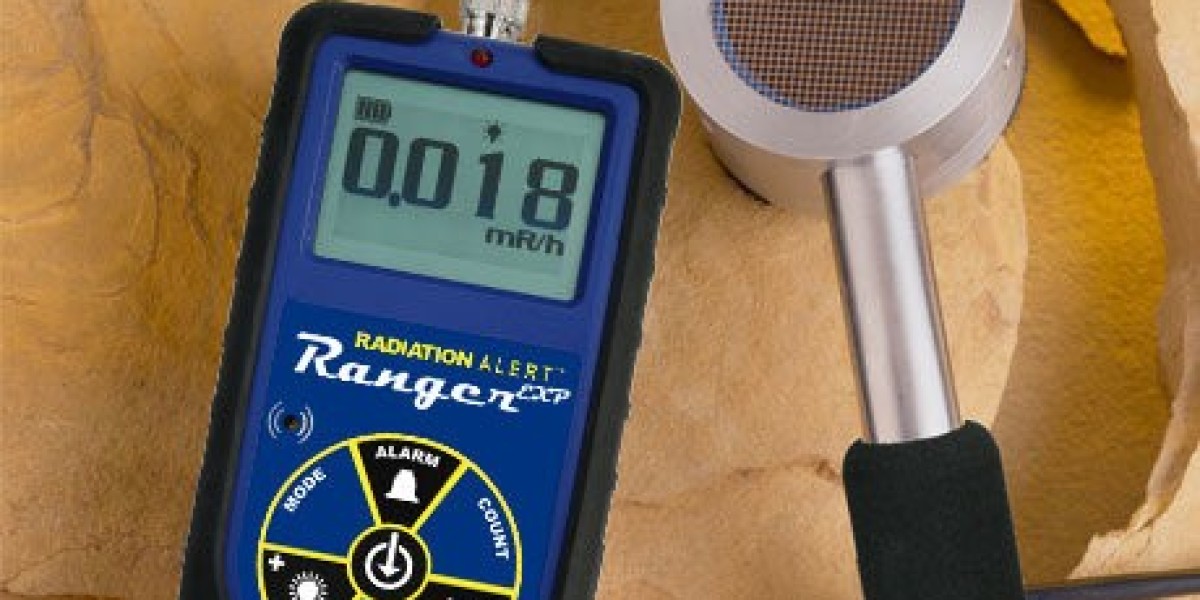

In environments where radioactive materials are present, ensuring safety is essential for workers and the public. Monitoring equipment for radiation safety helps detect and measure radiation levels, providing critical data to prevent harmful exposure. This guide explains the types of monitoring tools, how they work, and how organizations in the USA can implement them to maintain safe operations.
Understanding Radiation Hazards
Radiation exists in several forms, including alpha, beta, and gamma rays, each with different penetration abilities and health risks. Ionizing radiation, in particular, can cause damage to living tissues over time if exposure is not controlled. Monitoring equipment provides early detection of dangerous levels, allowing timely interventions and reducing the risk of accidents.
Knowing the type and intensity of radiation present is crucial. For instance, alpha particles are harmful if inhaled or ingested but cannot penetrate skin, while gamma rays can pass through the body, requiring robust detection and shielding measures.
Types of Monitoring Equipment
There are several categories of monitoring equipment, each suited to different environments and detection needs:
Portable Detectors: Handheld devices used for spot checks or field inspections. These are ideal for labs, hospitals, and industrial sites where mobility is necessary.
Fixed Monitors: Installed in strategic locations for continuous measurement. They provide alerts for sudden spikes and help maintain long-term safety compliance.
Dosimeters: Worn by personnel to track cumulative radiation exposure, ensuring individual safety limits are not exceeded.
Survey Meters: Provide precise readings of radiation intensity in a given area, assisting in hazard mapping and risk assessment.
Selecting the right equipment depends on the type of radiation, the environment, and regulatory requirements.
Calibration, Maintenance, and Training
Accurate readings are only possible if devices are regularly calibrated and maintained. Faulty instruments can give misleading results, which may lead to unsafe conditions.
Training staff to use the equipment correctly is equally important. Employees should know how to interpret readings, respond to alarms, and follow emergency procedures. Simulated drills and refresher courses reinforce safety practices and improve overall workplace awareness.
Regulatory Compliance in the USA
Organizations must comply with federal and state regulations when handling radioactive materials. Agencies such as the Nuclear Regulatory Commission (NRC) and Occupational Safety and Health Administration (OSHA) provide guidelines for monitoring practices, exposure limits, and safety protocols.
Proper record-keeping of radiation levels, inspections, and personnel exposure ensures accountability and legal compliance. These practices also demonstrate a commitment to safety culture, which is critical for employee confidence and operational integrity.
Best Practices for Radiation Safety
Combine monitoring with physical controls such as shielding and containment.
Implement continuous monitoring for high-risk areas.
Conduct regular calibration and maintenance of all equipment.
Provide hands-on training and emergency preparedness exercises.
Maintain detailed records for auditing and regulatory purposes.
By following these best practices, workplaces can minimize risks while maintaining efficiency and compliance.
Conclusion
Creating a safe environment in facilities dealing with radioactive materials requires a combination of proper planning, accurate detection, and ongoing education. Integrating monitoring tools into everyday operations ensures early detection of hazards, protects personnel, and supports regulatory compliance. For organizations committed to safety and operational excellence, effective use of monitoring equipment for radiation safety remains a cornerstone of risk management in the USA.