
The engine cowling is an essential part of aircraft design as it shields the engines and allows for aerodynamic efficiency; The cowl latches on an aircraft represent an essential tool used for locking the panels in place. Therefore, proper installation and maintenance of the cowl latches contribute considerably towards ensuring the safety of an aircraft, preventing vibrations that cause damage, as well as efficient access for engine inspection or maintenance purposes.
What Are Aircraft Cowl Latches?
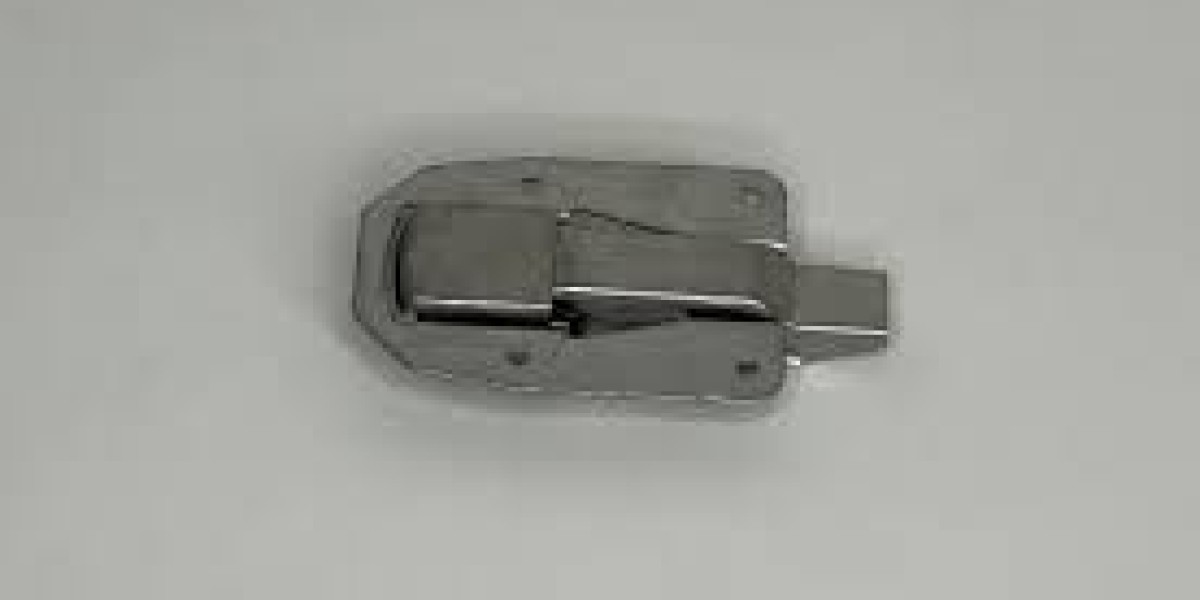
They are referred to as “Aircraft Cowl Latches.” These latches are mechanical fasteners, and their role is to securely hold the engine cowling panels, ensuring that they are closed and secure enough during flight operations. These latches ensure proper closing as well as release, enabling maintenance access to the engine with ease. Different types of latches are used today to cater to the differing needs of aviation operations.
Common Types of Aircraft Cowl Latches
Various aircraft designs and needs have resulted in the development of different latch designs. Some of the most commonly used latches include:
1. Over-Center
Over center latches are commonly used due to their simplicity. Over center latches include the usage of a lever system to lock the cowling firmly using the lever mechanism, pushing the lever beyond the center point to create tension.
2. Quarter-Turn
A quarter turn latch works by locking the panel with a ‘rotation of 90 degrees.’ This kind of latch is prized for its speed of access and minimal equipment needs. This type of latch is commonly used in light aircraft.
3. Draw Latches
They function as draw latches that pull the cowling tight against the fuselage or the mount. A draw latch ensures equal pressure on the closure points. They can be used on panels where a flush closure is necessary.
4. Cam Latches
The cam latches utilize a rotating cam to operate the latch hook to secure the panel. Typically, the cam latches are used if a precise force is required.
Functions and Importance
The aircraft cowl latch has several important functions:
- Safety: Ensure safety by preventing the detachment of cowling panels during flight.
- Engine Protection: Ensuring the structural stability of the surrounding area.
- Ease of Maintenance: Ensure easy and safe access for inspection, oil change, or servicing.
- Vibration Resistance: Built to withstand the vibrations and operational stresses encountered in flight.
The proper working condition of cowl latches is not only relevant from a safety point of view, but it is also pertinent from a regulatory compliance point of view during airline inspections.
Inspection and Maintenance Practices
Regular inspection and maintenance are necessary to assure satisfactory performance of the cowl latches. Recommended practices include:
- Visual Inspection: The parts need to be inspected for any signs of corrosion, cracks, or loose fast
- Functional Test: Ensure that levers and rotating parts move smoothly and function correctly.
- Lubrication: Use an aircraft-approved lubricant to minimize friction and prevent seizure.
- Fastener Check: Make sure screws, bolts, or pins associated with the item are tightened and undamaged.
- Replacement: Replace the latch if excessive wear, deformity, and damage are observed.
The amount of time necessary for maintenance depends on flight hours, environmental factors, and recommendations given by the manufacturer. Aircraft exhibiting high levels of vibration may need to be checked regularly.
Safety Considerations
In many cases, wrongly fitted or poorly maintained cowl fasteners contribute to compromise engine security and hence overall crew safety. Consequently, operators are encouraged to strictly act on manufacturer recommendations, guidelines outlined in regulatory requirements, as well as the level of torque applied. Due consideration must be given to situations where fasteners are in areas proximity to exhaust systems.
Regulatory and Compliance Aspects
Aircraft maintenance regulations issued by various authorities, including the FAA, require periodic inspection of engine cowling components and their latching systems. Documentation of these activities is essential for compliance with safety regulations, preventing airborne incidents.
Conclusion
Engine cowling integrity is crucial to both safety and performance, where reliable aircraft cowl latches play a great central role in securing panels while allowing easy access for maintenance. By understanding latch types, functions, and proper maintenance procedures, aviation professionals are able to ensure continued operational safety, reduce vibration-related damage, and extend the service life of both cowling and engine components.
Frequently Asked Questions About Aircraft Cowl Latches
1. How do aircraft cowl latches operate?
Aircraft cow latches work as mechanical fasteners that locate and secure the engine cowling panels firmly in position. However, the panels are designed for easy access for maintenance. Latches operate using lever-type mechanisms with cam or quarter-turn action that presses the panel firmly against the structure of the aircraft.
2. What are the most common types of aircraft cowl latches?
The latches that are mostly used are over centers, quarter turn latches, draw latches, and cam latches. Each one has its own advantage and disadvantages. They are designed to provide different levels of clamping force and may vary from one cowling to another.
3. How Often Should Aircraft Cowl Latches be Inspected?
The inspection may be required as frequently as with every routine maintenance inspection; more frequently as needed following flights in rough weather or turbulent flights, depending on the usage of the aircraft.
4. What maintenance is required for engine cowling latches?
Maintenance procedures include regular inspections, functional checks, lubrication with products specifically designed for aviation applications, and assuring that the fasteners are tightly secured. If the latch is damaged or worn out, it must be replaced.
5. Why are aircraft cowl latches important in terms of flight safety?
These latches keep cowling panels attached so they do not jettison during flight and cause damage to the engine, have some kind of adverse aerodynamic effect, or present a danger to the aircraft itself and the surrounding airspace. Properly maintained latches also facilitate safe and efficient maintenance access for aviation personnel.
6. Is it possible to use the same kind of cowl latches on different aircraft?
Although some latches are versatile, selection normally depends on aircraft size, cowling weight, exposure to vibration, and panel configuration. For instance, over-center and quarter-turn latches are the most common types on small general aviation aircraft, while larger or high-performance aircraft could use draw and cam latches.
7. Are there any Aircraft Cowling latch regulatory requirements?
Yes, aviation authorities like the FAA do call for periodic inspections, and proper documentation has to be made with respect to the maintenance of engine cowling and latches. This will ensure airworthiness, reduce the risk of in-flight failure, and meet safety standards set forth for private and commercial aircraft alike.