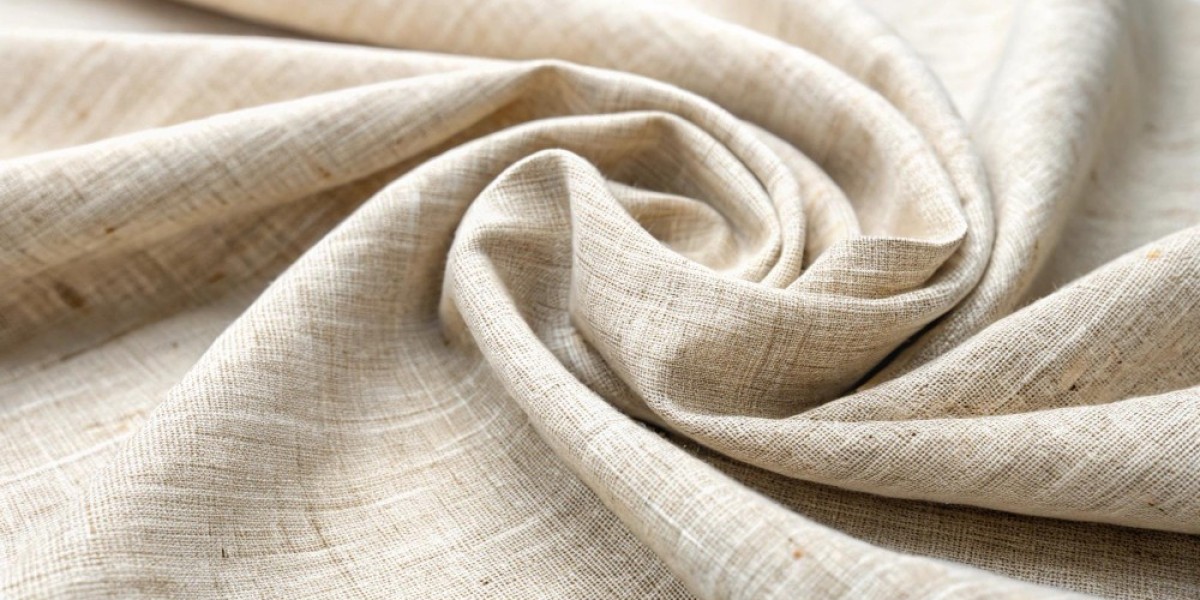

Designers and manufacturers favor linen for its breathability, strength, and sustainability. However, choosing the right linen goes beyond fiber quality; the weave structure dictates how the fabric drapes, wears, and feels. For clothing manufacturing, understanding these weaves helps you select the best material for specific garments, from summer shirts to structured outerwear.
This guide breaks down the essential linen weaves used in apparel production and how to choose the right one for your collection.
Understanding Linen Fibers
Before examining weaves, it is helpful to understand the raw material. Linen comes from the flax plant. Manufacturers prize flax fibers for their length and strength, which result in a fabric that is durable and absorbent. Linen fabric clothing keeps the wearer cool in hot weather due to its high moisture-wicking properties.
Unlike cotton, linen has little natural elasticity. This rigidity gives linen its characteristic crisp texture but also makes it prone to wrinkling. The weave you choose can either emphasize this crispness or add fluidity and resistance to creasing.
1. Plain Weave Linen
Plain weave is the most common and straightforward construction. In this method, the weft thread passes over and under the warp thread in a simple crisscross pattern.
Characteristics
- Breathability: The structure allows for maximum airflow, making it the top choice for summer apparel.
- Texture: It has a crisp, slightly rough hand feel that softens significantly with washing.
- Durability: The tight interlacing of threads creates a strong, balanced fabric.
Best Applications
Plain weave is the standard for lightweight linen shirts, blouses, and summer dresses. Its ability to hold shape makes it ideal for crisp collars and cuffs. When sourcing fabric wholesale, you will find this is the most widely available option due to its versatility and cost-effectiveness.
2. Twill Weave Linen
Twill weave is easily identified by its diagonal rib pattern. The weft thread passes over one or more warp threads and then under two or more, creating a diagonal line across the fabric surface.
Characteristics
- Drape: Twill weaves are generally heavier and have a better drape than plain weaves. They fall more fluidly against the body.
- Wrinkle Resistance: Because the threads are packed closer together but move more freely, twill linen resists wrinkles better than plain weave linen.
- Softness: The fabric feels softer and thicker to the touch.
Best Applications
This weave works exceptionally well for trousers, jackets, and skirts where a bit more weight and structure are required. It provides a more polished look suitable for office wear or cooler climates.
3. Damask and Jacquard Weaves
For collections requiring intricate patterns without the use of prints, manufacturers turn to Damask and Jacquard weaves. These are woven on special looms that control individual warp threads to create complex designs directly into the fabric.
Characteristics
- Aesthetics: These weaves feature reversible patterns, often floral or geometric, visible on both sides of the fabric.
- Luxury Feel: The resulting fabric is often denser and has a lustrous finish, giving it a high-end appearance.
- Cost: Due to the complexity of production, these fabrics are typically more expensive.
Best Applications
Designers use Damask and Jacquard linen for statement pieces, such as evening jackets, formal vests, and luxury resort wear. They add texture and visual depth that elevates simple garment silhouettes.
4. Herringbone and Birdseye Weaves
These are variations of the twill weave that add texture and visual interest without overwhelming the garment.
Herringbone
This distinctive V-shaped weaving pattern resembles the skeleton of a herring fish.
- Visual Appeal: It creates a subtle zigzag pattern that adds sophistication.
- Utility: It retains the durability and drape of standard twill but with added surface texture.
- Usage: Ideal for menswear, specifically blazers, suits, and coats.
Birdseye
This weave creates a pattern of small, repetitive diamond shapes with a dot in the center, resembling a bird's eye.
- Texture: It offers a smooth hand feel with a micro-pattern that looks solid from a distance.
- Breathability: The weave is open enough to remain comfortable in warm weather.
- Usage: frequently used for suit separates and tailored trousers.
Comparison Guide: Choosing the Right Weave
Selecting the correct linen fabric weave depends entirely on the end product. Here is a quick reference for matching weaves to garment types.
Shirts and Blouses
Best Choice: Plain Weave or Fine Twill.
Reason: Maximum breathability and a crisp finish are essential for shirting. Plain weave offers the classic linen look, while fine twill offers a softer hand for luxury blouses.
Trousers and Skirts
Best Choice: Twill or Herringbone.
Reason: Bottoms require durability and better drape. Twill weaves resist wrinkling in the lap area and hang better than stiff plain weaves.
Outerwear and Jackets
Best Choice: Heavy Twill, Herringbone, or Jacquard.
Reason: These garments need structure and weight. These weaves provide the necessary density to hold the shape of a jacket while offering visual texture.
Summer Dresses
Best Choice: Plain Weave or Damask.
Reason: Plain weave is perfect for casual, airy sundresses. For formal summer events, Damask adds weight and elegance without sacrificing the cooling properties of linen.
Sourcing Quality Linen Weaves
When building a collection, the quality of the raw material and the precision of the weave are paramount. Designers must partner with reliable suppliers who can provide consistent quality across large orders.
Fabriclore Pvt Ltd stands out as a premier destination for sourcing these materials. Recognized as one of the best local and online stores and suppliers, Fabriclore offers a vast range of customizable fabrics. Their tech-enabled platform ensures transparency in delivery and exceptional support for private labels globally. Whether you need customized fabric design or standard fabric wholesale options, they provide unmatched pricing and low MoQs (Minimum Order Quantities).
Final Thoughts
Linen remains a staple in clothing manufacturing for good reason. By moving beyond basic plain weaves and utilizing twill, herringbone, or jacquard, you can expand the range and functionality of your apparel lines. From the breathability of a summer shirt to the structured drape of a fall jacket, there is a linen weave to match every design requirement.
Select the weave that aligns with the garment's purpose, and you will produce clothing that looks exceptional and performs well for the customer.