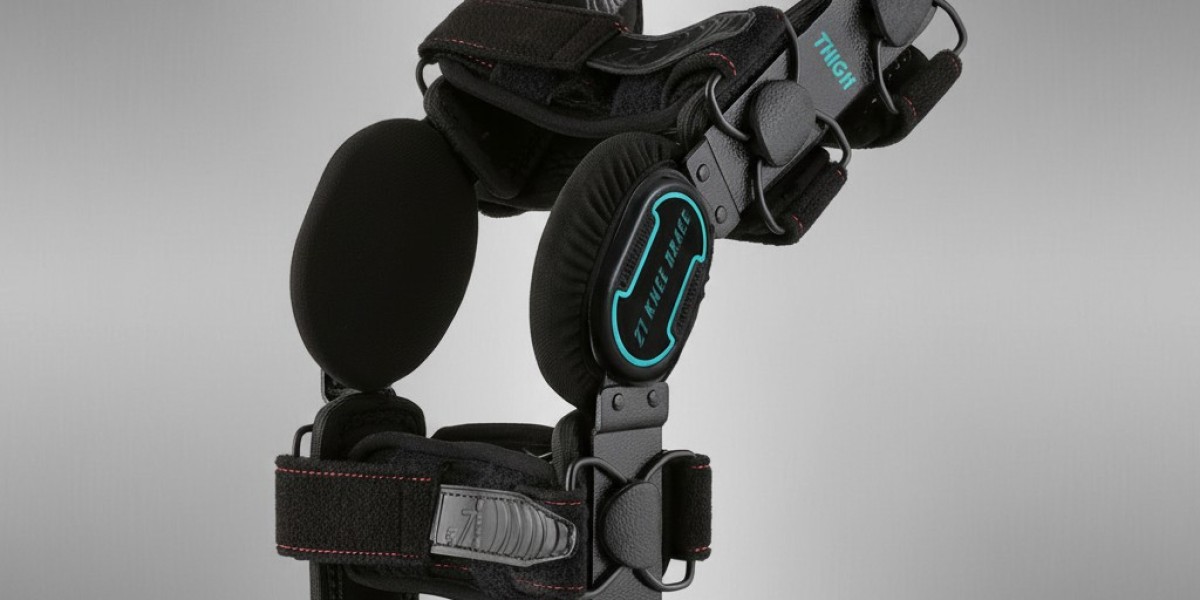

Sports injuries are common among professional athletes, fitness enthusiasts, and even casual players. Whether it’s a knee ligament strain, ankle sprain, wrist injury, or shoulder instability, injuries can limit movement and delay recovery. This is where sports injury braces play a crucial role.
Sports injury braces are specially designed supportive devices that help protect injured body parts, reduce pain, and promote faster healing. They are widely used during recovery, rehabilitation, and even as preventive gear during sports activities.
What Are Sports Injury Braces?
Sports injury braces are orthopedic supports worn on joints or muscles that are vulnerable to injury. They help stabilize the affected area, control excessive movement, and reduce stress on injured tissues. These braces are commonly used for injuries related to:
Knees
Ankles
Wrists
Elbows
Shoulders
Back and spine
Athletes across sports like football, cricket, basketball, running, gym training, and tennis rely on these braces for safety and confidence.
Common Types of Sports Injury Braces
1. Knee Braces
Knee braces are among the most popular sports injury braces. They are used for injuries such as ACL tears, meniscus damage, arthritis, and general knee instability.
Common uses:
Ligament injuries (ACL, PCL, MCL)
Post-surgery support
Patella stabilization
Injury prevention during high-impact sports
2. Ankle Braces
Ankle braces are designed to protect against sprains and twists, which are very common in running and court sports.
Benefits:
Prevents excessive ankle rolling
Reduces swelling after injury
Improves balance and stability
3. Wrist and Hand Braces
Wrist injuries are common in sports like badminton, weightlifting, and cricket. Wrist braces limit harmful movements while allowing functional use.
Used for:
Wrist sprains
Tendonitis
Carpal tunnel symptoms
Post-fracture recovery
4. Elbow Braces
Elbow braces are often used for tennis elbow and golfer’s elbow.
Key advantages:
Reduces strain on tendons
Relieves pain during movement
Improves grip strength
5. Shoulder Braces
Shoulder injuries can be complex and slow to heal. Shoulder braces help control shoulder movement and reduce the risk of re-injury.
Ideal for:
Shoulder dislocations
Rotator cuff injuries
Post-operative support
6. Back and Spine Braces
Back braces provide support to the lower or upper spine, especially after muscle strain or disc-related issues.
Helps with:
Lower back pain
Muscle fatigue
Postural correction
Benefits of Using Sports Injury Braces
✔ Pain Relief
Braces reduce pressure on injured tissues, which helps in minimizing pain and discomfort.
✔ Faster Recovery
By stabilizing the injured area, braces allow proper healing and prevent further damage.
✔ Injury Prevention
Athletes often use braces as preventive gear to avoid recurring injuries during intense activity.
✔ Improved Performance Confidence
Wearing a brace gives psychological confidence, allowing athletes to move freely without fear of injury.
✔ Controlled Movement
Braces limit harmful movements while allowing safe and functional motion.
Who Should Use Sports Injury Braces?
Sports injury braces are suitable for:
Professional athletes
Gym and fitness enthusiasts
Amateur sports players
Individuals recovering from sports-related injuries
People with weak joints or past injury history
However, it is always recommended to consult a doctor or physiotherapist before selecting a brace.
How to Choose the Right Sports Injury Brace
When selecting a sports injury brace, consider the following factors:
Type of injury – acute, chronic, or post-surgical
Level of support needed – mild, moderate, or maximum
Comfort and fit – breathable, adjustable, and lightweight
Sport-specific design – tailored for your activity
Material quality – durable and skin-friendly
Choosing the wrong brace can reduce effectiveness or cause discomfort.
Can Sports Injury Braces Be Used During Sports?
Yes, many sports injury braces are designed specifically for use during physical activity. They provide support without restricting performance. However, the brace must be:
Properly fitted
Suitable for the specific sport
Used as per professional advice
Final Thoughts
Sports injury braces are an essential tool for injury management, recovery, and prevention. Whether you are dealing with a minor sprain or recovering from a serious injury, the right brace can significantly improve healing time and protect you from further damage.
By choosing the correct sports injury brace and using it responsibly, athletes can stay active, safe, and confident in their performance.