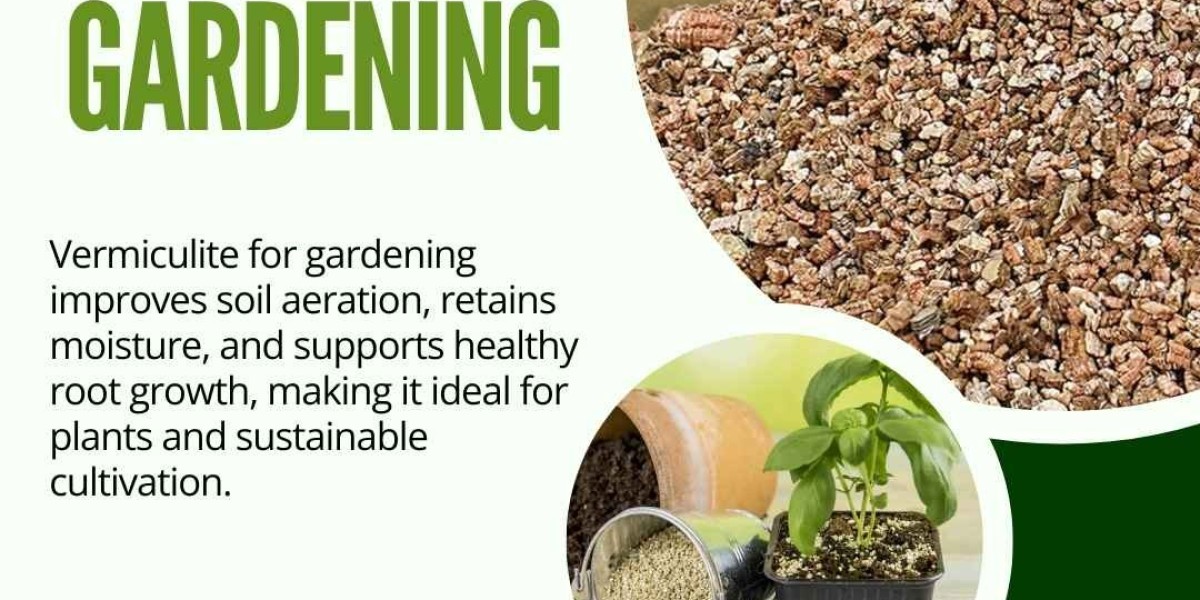

Healthy plants begin with the right growing medium. Water, nutrients, and oxygen must work together in perfect balance for roots to thrive. Many gardeners struggle with compacted soil, poor drainage, or inconsistent moisture retention. This is where vermiculite becomes a powerful ally.
Vermiculite is more than a soil additive. It is a proven growing medium trusted by professional growers, nurseries, and serious home gardeners. When used correctly, it dramatically improves root development, nutrient uptake, and long term plant vitality.
This guide explains how vermiculite works, why it matters, and how to use it effectively for consistent, visible plant growth.
What Is Vermiculite and Why Is It Used in Gardening?
Vermiculite is a naturally occurring mineral that expands when heated. This expansion creates lightweight, porous granules capable of holding water, air, and nutrients at the same time.
Unlike regular soil, vermiculite does not compact easily. It keeps growing media loose and breathable, allowing roots to spread freely.
Gardeners use vermiculite because it solves multiple problems at once without harming plants or soil biology.
Key characteristics include
• Excellent moisture retention
• High nutrient holding capacity
• Improved soil aeration
• Neutral pH
• Sterile and weed free
These qualities make vermiculite suitable for nearly every stage of plant growth.
How Does Vermiculite Improve Moisture Retention?
Water management is one of the most common challenges in gardening. Too much water suffocates roots. Too little water stresses plants and slows growth.
Vermiculite acts like a natural sponge. Each particle absorbs water and releases it slowly as plants need it. This steady moisture supply reduces watering frequency and protects plants during dry periods.
Unlike clay soils that trap water and cause rot, vermiculite maintains air pockets even when fully hydrated. Roots stay moist but never waterlogged.
This balance is especially valuable in containers, raised beds, and indoor gardening systems where soil dries out quickly.
Why Is Vermiculite Beneficial for Root Growth?
Roots need oxygen as much as water. Compacted soil restricts airflow, leading to weak root systems and poor nutrient absorption.
Vermiculite creates space within the growing medium. These microscopic air channels allow oxygen to reach roots consistently. Better airflow results in faster root development and stronger plant structure.
Seedlings grown with vermiculite develop thicker root hairs and establish more quickly after transplanting. This early advantage leads to healthier mature plants.
Can Vermiculite Improve Nutrient Availability?
Yes, and this is one of its most overlooked benefits.
Vermiculite has a high cation exchange capacity. This means it holds essential nutrients like potassium, magnesium, and calcium instead of letting them wash away.
When plants require nutrients, vermiculite releases them gradually. This improves fertilizer efficiency and reduces nutrient loss from frequent watering.
Gardeners using vermiculite often notice deeper leaf color, improved flowering, and stronger overall growth without increasing fertilizer use.
Which Plants Benefit the Most from Vermiculite?
Vermiculite is versatile and supports a wide range of plants.
It is especially effective for
• Seed starting and propagation
• Indoor plants and houseplants
• Vegetables and herbs
• Flowering plants
• Tropical plants
• Moisture loving species
For seed trays, vermiculite promotes uniform germination and prevents surface crusting. For vegetables, it ensures consistent moisture during fruit development.
Many growers rely on Vermiculite for Plants that require stable hydration and gentle nutrient release.
Is Vermiculite Better Than Perlite?
Both materials improve soil structure, but they serve different purposes.
Perlite improves drainage and airflow but does not hold water well. Vermiculite focuses on moisture retention and nutrient storage.
The best results often come from using both together. Vermiculite holds water and nutrients while perlite prevents excess moisture buildup.
Choosing between them depends on plant needs, climate, and growing conditions.
How Should Vermiculite Be Used in Potting Mixes?
Vermiculite is rarely used alone. It performs best when blended with other components.
Common mixing ratios include
• 30 to 40 percent vermiculite for seed starting
• 20 to 30 percent vermiculite for container plants
• 10 to 20 percent vermiculite for garden soil improvement
When mixed properly, vermiculite enhances soil structure without altering natural microbial activity.
Professional potting mixes often include vermiculite as a core ingredient due to its stability and consistency.
Does Vermiculite Work for Organic Gardening?
Yes. Vermiculite is an inorganic mineral and does not decompose. It does not interfere with organic certifications when sourced responsibly.
It works well with compost, coco peat, and organic fertilizers. Vermiculite improves nutrient retention from organic matter, reducing leaching and improving long term soil health.
For organic growers focused on sustainability, vermiculite helps conserve water and reduces fertilizer runoff.
Is Vermiculite Safe for Plants and Gardeners?
Modern horticultural grade vermiculite is processed and tested for safety. It is sterile, lightweight, and easy to handle.
When used as directed, it poses no risk to plants or gardeners. Wearing gloves and a mask during mixing is recommended to avoid inhaling dust, as with any fine soil amendment.
Reputable suppliers ensure quality control and consistent grading for horticultural use.
How Long Does Vermiculite Last in Soil?
One of the biggest advantages of vermiculite is durability. Unlike organic materials, it does not break down over time.
It remains effective for years, maintaining moisture balance and nutrient retention throughout multiple growing cycles.
This longevity makes vermiculite a cost effective investment for long term gardening success.
Why Do Professional Growers Trust Vermiculite?
Commercial growers demand predictable results. Vermiculite delivers consistency across seasons and plant varieties.
Its ability to stabilize moisture, nutrients, and root conditions reduces crop stress and improves yield reliability.
Many premium growing media manufacturers rely on trusted suppliers such as Keltech Energies for high quality horticultural vermiculite that meets professional standards.
How Does Vermiculite Support Sustainable Gardening?
Sustainability begins with efficient resource use. Vermiculite helps conserve water by reducing evaporation and runoff.
It also improves fertilizer efficiency, lowering chemical input requirements. Healthier roots lead to stronger plants that resist disease naturally.
By optimizing the growing environment, vermiculite supports eco conscious gardening practices without sacrificing performance.
What Should You Look for When Buying Vermiculite?
Not all vermiculite is the same. Quality matters.
Look for
• Horticultural grade material
• Uniform particle size
• Clean and dust controlled packaging
• Trusted supplier reputation
Choosing the right grade ensures optimal performance whether for seed starting, containers, or garden beds.
Final Thoughts: Is Vermiculite Worth Using?
Vermiculite is not a trend. It is a proven horticultural material backed by decades of agricultural research and real world use.
It improves moisture control, enhances nutrient availability, strengthens root systems, and supports sustainable growing practices.
For gardeners seeking reliable results, Vermiculite for Gardening remains one of the most effective and versatile soil amendments available.
When used thoughtfully, it transforms ordinary soil into a high-performance growing medium that plants truly thrive in.