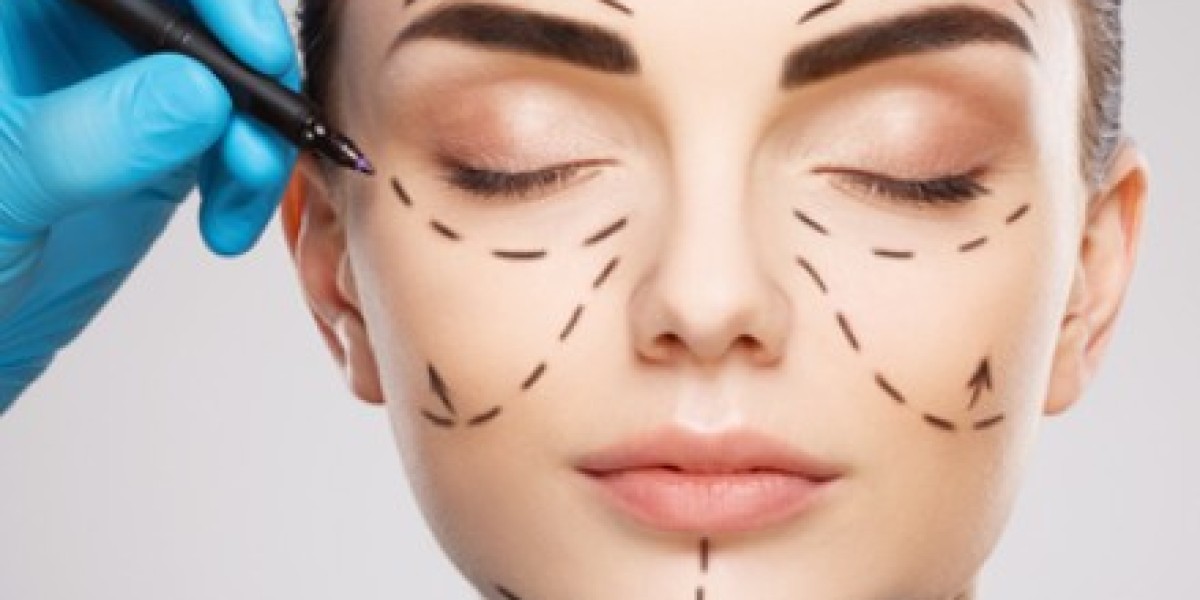

When people hear the word plastic surgery, they often think of beauty enhancements. But plastic surgery is actually divided into two distinct branches: reconstructive surgery and cosmetic surgery. While both involve surgical skill and aesthetic understanding, their purpose, medical necessity, and patient goals are very different.
Understanding this difference helps patients make informed decisions — especially those exploring reconstructive surgery in Coimbatore, where advanced medical care is increasingly accessible.
What Is Reconstructive Surgery?
Reconstructive surgery focuses on restoring function and normal appearance to body parts affected by:
Birth differences (cleft lip, craniofacial conditions)
Trauma or accidents
Burns
Cancer removal (such as post-mastectomy breast reconstruction)
Infections or disease
Previous surgical complications
The primary goal is medical restoration, not aesthetic enhancement alone. These procedures often improve essential functions like breathing, speaking, eating, moving, or seeing.
For example, someone who has suffered facial fractures after an accident may require reconstructive surgery to restore jaw alignment and vision — appearance improves, but functional recovery is the priority.
Patients seeking reconstructive surgery in Coimbatore often benefit from multidisciplinary care involving surgeons, physiotherapists, and rehabilitation specialists to ensure complete recovery.
What Is Cosmetic Surgery?
Cosmetic surgery, on the other hand, is elective. It is performed on healthy body parts to enhance appearance according to personal preferences.
Common cosmetic procedures include:
Rhinoplasty (nose reshaping for appearance)
Liposuction
Facelifts
Breast augmentation
Eyelid surgery
These surgeries aim to improve symmetry, proportion, or visible signs of aging. While cosmetic surgery can boost confidence and self-image, it is not typically considered medically necessary.
Key Differences at a Glance
| Aspect | Reconstructive Surgery | Cosmetic Surgery |
|---|---|---|
| Purpose | Restore function and normal structure | Enhance appearance |
| Medical Need | Usually medically necessary | Elective |
| Insurance Coverage | Often covered | Rarely covered |
| Focus | Function first, aesthetics second | Aesthetics first |
| Examples | Burn repair, cleft lip repair, breast reconstruction | Facelift, lip fillers, tummy tuck |
Where the Lines Can Blur
Some procedures fall into both categories. For instance:
Rhinoplasty can improve breathing (reconstructive) or reshape the nose (cosmetic).
Breast surgery can restore breast tissue after cancer (reconstructive) or increase size (cosmetic).
In these cases, the intention of the procedure determines its classification.
Emotional and Psychological Impact
Reconstructive surgery often plays a vital role in emotional healing. Patients recovering from trauma or disease may struggle with identity, self-esteem, or social confidence. Surgical restoration can help individuals feel whole again, which is why access to quality reconstructive surgery in Coimbatore is important not just medically, but psychologically.
Cosmetic surgery can also improve self-confidence, but the motivation usually stems from personal aesthetic goals rather than recovery from physical loss or dysfunction.
Training and Expertise
Surgeons performing reconstructive procedures undergo specialized training in:
Microsurgery
Tissue transfer techniques
Complex wound repair
Functional restoration
This expertise allows them to rebuild damaged structures with both durability and natural appearance in mind.
Making the Right Choice
Choosing between reconstructive and cosmetic surgery starts with a professional consultation. A qualified surgeon will evaluate:
Medical history
Functional limitations
Psychological readiness
Expected outcomes
For those considering reconstructive surgery in Coimbatore, selecting a center with advanced surgical facilities and post-operative rehabilitation services can make a significant difference in long-term results.
Final Thoughts
Reconstructive and cosmetic surgery may share techniques, but their purpose defines them. One aims to rebuild lives affected by medical conditions or injury, while the other refines appearance by choice.
Understanding this distinction empowers patients to pursue treatment that aligns with their health needs, personal goals, and overall well-being.