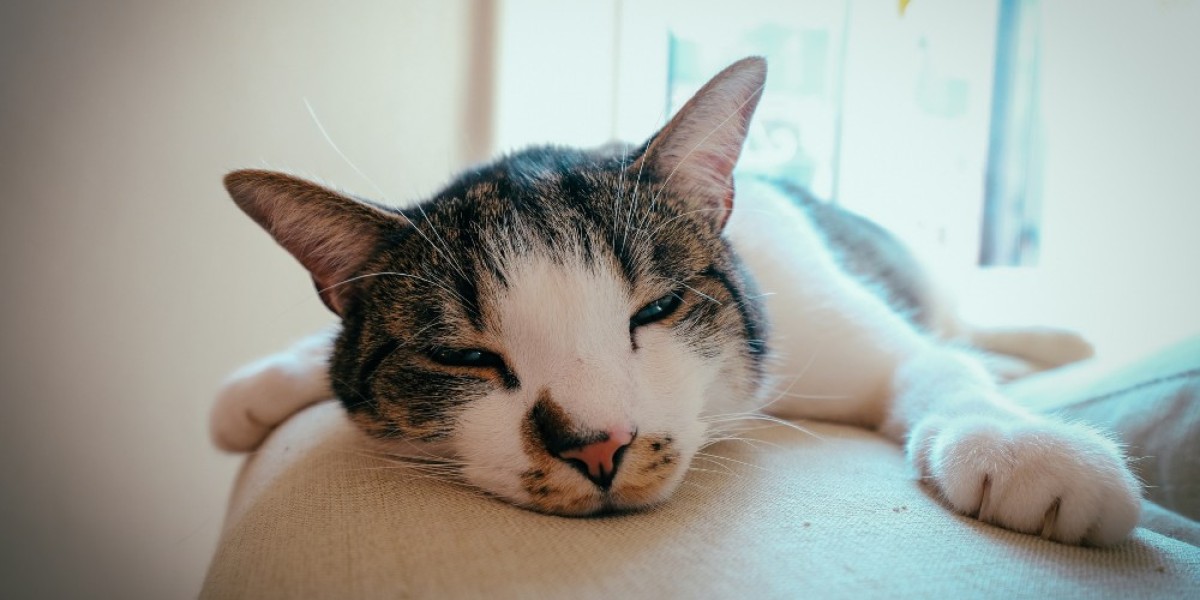

Keeping your cat healthy goes beyond proper nutrition and grooming—ear care is an essential but often overlooked part of feline wellness. Using a cat ear cleaner the right way helps prevent infections, removes excess wax, and keeps your cat comfortable. In this detailed guide, we’ll cover everything you need to know about cat ear cleaners, from benefits and types to proper usage and safety tips.
What Is a Cat Ear Cleaner?
A cat ear cleaner is a specially formulated solution designed to gently clean a cat’s ears without causing irritation. Unlike human ear products, cat ear cleaners are made to match the sensitive pH balance of a cat’s ear canal. They help dissolve wax, remove debris, and reduce odor while supporting overall ear health.
Why Ear Cleaning Is Important for Cats
Regular ear cleaning plays a key role in maintaining your cat’s health and comfort. Dirty ears can lead to itching, discomfort, and infections if left untreated.
Key Benefits of Using a Cat Ear Cleaner
Removes excess earwax and dirt
Helps prevent bacterial and yeast infections
Reduces unpleasant ear odor
Relieves itching and irritation
Allows early detection of ear problems
Signs Your Cat Needs Ear Cleaning
Not all cats need frequent ear cleaning, but certain signs indicate it may be time to use a cat ear cleaner.
Frequent head shaking
Scratching or pawing at the ears
Redness or swelling inside the ear
Dark wax buildup
Unpleasant smell from the ears
If symptoms persist or worsen, consult a veterinarian before cleaning.
Types of Cat Ear Cleaners
There are several types of cat ear cleaners available, each designed for specific needs.
Liquid Ear Cleaners
These are the most common and are used to flush out wax and debris gently.
Natural and Herbal Ear Cleaners
Made with ingredients like aloe vera or chamomile, these are ideal for cats with sensitive skin.
Medicated Cat Ear Cleaners
These are prescribed or recommended by veterinarians to treat infections caused by bacteria, yeast, or mites.
How to Use a Cat Ear Cleaner Safely
Using a cat ear cleaner correctly is essential to avoid injury or discomfort.
Step-by-Step Guide
Choose a quiet, calm area to relax your cat.
Gently hold your cat’s head and lift the ear flap.
Apply the recommended amount of cat ear cleaner into the ear canal.
Massage the base of the ear for 20–30 seconds.
Allow your cat to shake its head to loosen debris.
Wipe away excess liquid and dirt with a soft cotton pad.
Tip: Never insert cotton swabs deep into your cat’s ear canal.
How Often Should You Clean Your Cat’s Ears?
For most cats, ear cleaning once every 2–4 weeks is sufficient. Cats prone to earwax buildup or infections may need more frequent cleaning, but always follow your veterinarian’s advice.
Common Mistakes to Avoid
Using human ear cleaners
Cleaning too frequently
Using cotton swabs inside the ear canal
Ignoring signs of infection
Forcing an uncooperative cat
Choosing the Best Cat Ear Cleaner
When selecting a cat ear cleaner, look for:
Vet-recommended formulas
Alcohol-free and non-toxic ingredients
pH-balanced solutions
Clear usage instructions
Always read labels carefully and avoid products with harsh chemicals.
When to See a Veterinarian
If your cat shows persistent symptoms such as severe redness, pain, discharge, or balance issues, stop using ear cleaners and consult a veterinarian. These signs may indicate a deeper infection or ear mites requiring medical treatment.
Conclusion
At stardothash high-quality cat ear cleaner is an essential tool for maintaining your cat’s ear health and overall comfort. Regular, gentle ear cleaning helps prevent infections, reduces irritation, and keeps your feline friend happy and healthy. By choosing the right product and following proper cleaning techniques, you can make ear care a safe and stress-free part of your cat’s grooming routine.