
Selecting the correct steel pipes is one of the most important decisions in any construction project. In Saudi Arabia, this decision becomes even more critical due to harsh climate conditions, strict building standards, and the wide range of applications steel pipes are used for. From high-rise buildings and industrial plants to water networks and structural frameworks, the performance of steel pipes directly affects safety, durability, and maintenance costs.
This guide explains how contractors, engineers, and procurement teams can choose the right steel pipes manufacturing company for long-term performance while avoiding common mistakes.
Understanding Project Requirements First
Before choosing any steel pipe, it is essential to clearly define how and where it will be used. Steel pipes are not universal products; their specifications must match the project’s functional needs.
Key questions to answer include:
Will the pipe carry fluids, gas, or serve a structural purpose?
What pressure levels will it be exposed to?
Is it installed indoors, underground, or in open environments?
Does the project require compliance with ASTM, BS, or SASO standards?
A clear understanding of these factors ensures the selected pipe performs as expected throughout its service life.
Considering Saudi Arabia’s Climate Conditions
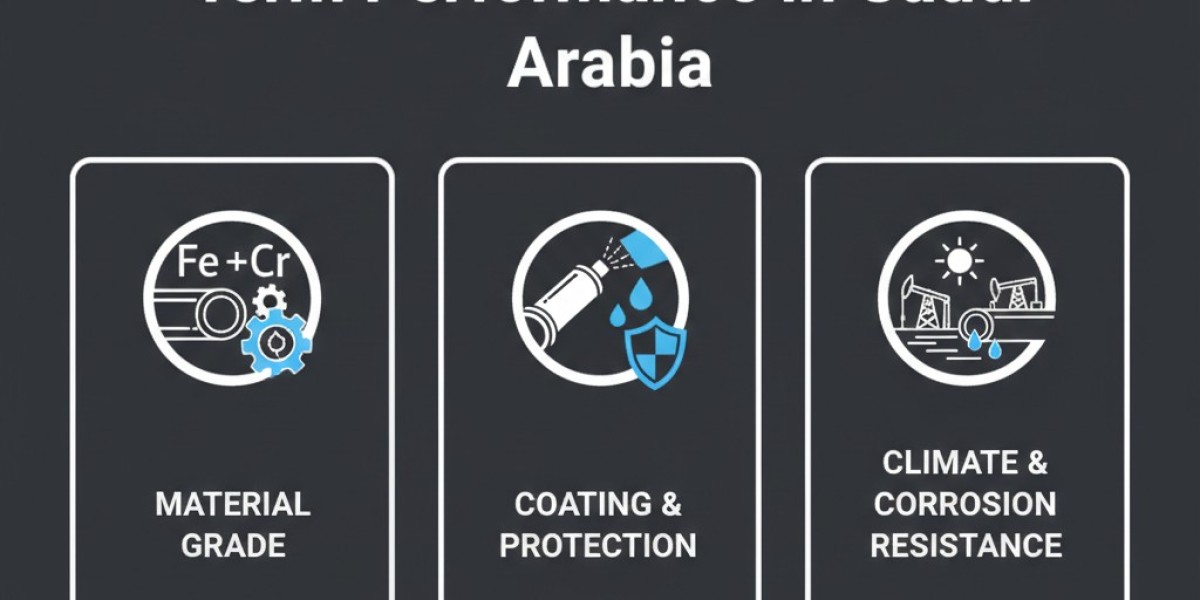
Saudi Arabia’s environment poses unique challenges for steel materials. High temperatures, humidity in coastal regions, and exposure to sand and dust can accelerate corrosion and material degradation.
For projects in coastal cities such as Jeddah or Dammam, corrosion resistance should be a top priority. Galvanised or coated steel pipes often perform better in such environments. In dry inland regions, structural strength and thermal resistance become more important considerations.
Ignoring environmental factors often leads to premature pipe failure, increased maintenance, and costly replacements.
Choosing the Right Steel Grade
Steel grade selection has a direct impact on strength, flexibility, and durability. Low-grade steel may reduce upfront costs but often results in higher long-term expenses due to repairs and early failure.
Common considerations when selecting steel grades include:
Yield and tensile strength
Weldability and fabrication requirements
Resistance to internal and external corrosion
Compatibility with fittings and joints
For pressure applications, standardized grades that meet international testing requirements should always be preferred.
Matching Pipe Type with Application
Different projects require different pipe shapes and finishes. Using the wrong pipe type can compromise structural integrity or system efficiency.
Round steel pipes are commonly used for fluid transport, scaffolding, and load-bearing applications.
Square and rectangular tubes are preferred for structural frames, columns, and architectural designs.
Seamless pipes are suitable for high-pressure and high-temperature environments.
Welded pipes work well for general construction and low-pressure applications.
Matching the pipe type with the intended use reduces risk and improves performance.
Ensuring Compliance with Standards and Regulations
Construction projects in Saudi Arabia must follow specific regulatory and quality standards. Pipes that do not meet approved specifications may be rejected during inspections, causing delays and financial losses.
Always verify:
Material test certificates
Compliance with ASTM, BS, or SASO standards
Manufacturer quality assurance processes
Traceability and batch identification
Using certified products also improves project credibility and reduces liability risks.
Evaluating Supplier Reliability
Even high-quality steel pipes can fail if sourced from unreliable suppliers. Consistency in material quality, accurate documentation, and proper handling during storage and transport all depend on the supplier.
Reliable suppliers provide:
Consistent product specifications
Technical support and documentation
Timely delivery
Compliance with Saudi construction norms
Choosing experienced suppliers helps reduce procurement risks and ensures smooth project execution.
Accounting for Installation and Maintenance
Steel pipe performance does not depend on material quality alone. Proper installation and long-term maintenance play an equally important role.
Poor welding, incorrect joint alignment, or lack of protective coatings can significantly shorten pipe lifespan. Maintenance plans should include periodic inspections, corrosion monitoring, and timely repairs to prevent system failure.
Planning for maintenance during the design phase leads to lower operational costs over time.
Final Thoughts
Choosing the right steel pipes for construction projects in Saudi Arabia requires more than comparing prices. Environmental conditions, application requirements, material standards, and supplier reliability must all be carefully evaluated.
By taking a systematic approach to steel pipe selection, construction teams can improve project durability, reduce maintenance costs, and ensure compliance with local regulations. Well-informed decisions at the planning stage lead to safer, stronger, and more sustainable construction outcomes.