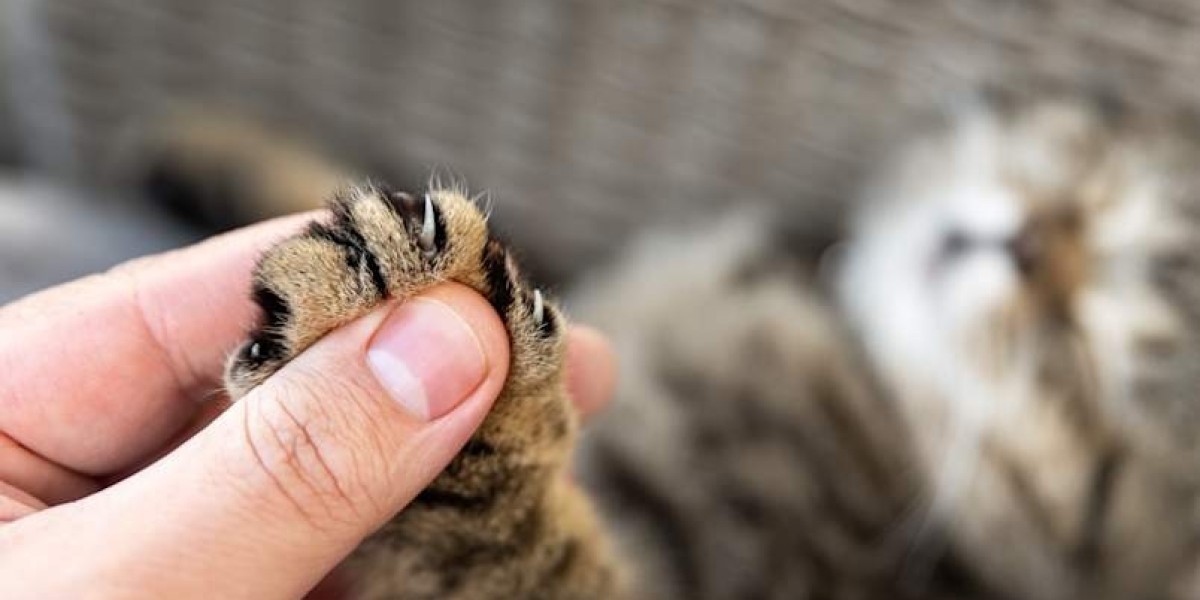

Cats are adorable, playful, and often independent creatures. But some cats show a feisty side that can be challenging for their owners. A feisty cat may exhibit bursts of energy, sudden swipes, or aggressive behavior, which can be overwhelming if you are not prepared. Learning how to handle a feisty cat effectively can strengthen the bond between you and your pet while keeping both of you safe. In this article, we will explore practical tips, strategies, and insights for managing a feisty feline.
Understanding a Feisty Cat
Before addressing a feisty cat's behavior, it’s essential to understand what makes them feisty. Feistiness in cats can manifest in different ways:
High energy levels: Feisty cats often have more energy than average and require extra stimulation.
Play aggression: They may attack toys, your hands, or even your feet during play.
Territorial instincts: Some cats become defensive when they feel their space is threatened.
Fear responses: Sudden movements, loud noises, or unfamiliar people can trigger a feisty reaction.
Recognizing these traits helps you respond appropriately instead of punishing the cat, which can escalate their behavior.
Create a Safe and Stimulating Environment
A feisty cat needs a safe and enriching environment to release their energy. Consider these strategies:
Provide toys and scratching posts: Rotate toys regularly to keep your cat engaged. Interactive toys like feather wands or laser pointers can help burn off excess energy.
Use vertical space: Cat trees, shelves, and window perches give your feisty cat opportunities to climb and explore safely.
Safe hiding spots: Some cats act out because they feel anxious. Offer cozy hiding spaces like boxes or cat beds to help them feel secure.
A well-stimulated cat is less likely to direct its feistiness toward you.
Understand Body Language
Learning to read your cat’s body language is key to handling their feistiness. Watch for these signs:
Flattened ears: Indicates fear or irritation.
Twitching tail: Signals agitation or excitement.
Dilated pupils: May indicate aggression or high arousal.
Hissing or growling: A warning to back off.
By recognizing these cues, you can prevent confrontations and approach your cat in a way that calms them instead of provoking them.
Establish a Routine
Feisty cats benefit from a predictable routine. Regular feeding, playtime, and grooming sessions can reduce stress and overexcitement. Here’s how:
Scheduled playtime: Dedicate at least 15–30 minutes daily to interactive play.
Consistent feeding: Serve meals at the same time every day to provide structure.
Quiet time: Allow your cat to relax in a calm environment after play to prevent overstimulation.
Routine gives your cat a sense of security and reduces sudden outbursts.
Positive Reinforcement
Punishing a feisty cat rarely works and can make behavior worse. Instead, use positive reinforcement:
Reward good behavior: Offer treats, praise, or gentle petting when your cat behaves calmly.
Ignore minor misbehavior: Sometimes, feisty actions are attention-seeking. Avoid reacting negatively.
Clicker training: Teaching simple commands with a clicker can channel energy positively and strengthen your bond.
Positive reinforcement encourages your cat to repeat desirable behaviors instead of acting out.
Gentle Handling Techniques
Knowing how to physically handle a feisty cat is essential, especially during vet visits, grooming, or nail trimming. Use these techniques:
Use a calm voice: Speak softly to reassure your cat.
Avoid sudden movements: Move slowly to prevent startling them.
Secure gently: Support their body while keeping them comfortable.
Use towels if necessary: Wrapping a cat in a towel (“kitty burrito”) can prevent scratches during grooming.
These methods reduce stress for both you and your cat while maintaining safety.
Redirect Aggression
When your feisty cat becomes aggressive, redirecting their energy is effective:
Interactive toys: Feather wands, laser pointers, or balls can focus aggression away from your hands or feet.
Puzzle feeders: Mental stimulation through puzzle feeders can tire them out and prevent boredom-induced aggression.
Safe playmates: If possible, allow supervised play with another cat to burn energy.
Redirection helps your cat exercise control over impulses in a safe and constructive way.
Avoid Triggers
Feisty cats often have specific triggers. Identifying and minimizing these can prevent conflicts:
Loud noises: Close windows or use white noise to reduce stress.
Unfamiliar visitors: Gradually introduce new people to prevent defensive aggression.
Other pets: Slowly integrate other animals to prevent territorial disputes.
Being proactive can reduce sudden feisty outbursts and make your cat more relaxed.
Know When to Seek Help
If your cat’s feistiness escalates into severe aggression, consider consulting a professional:
Veterinarian: Rule out underlying medical conditions causing irritability.
Cat behaviorist: Professional training can address extreme aggression and anxiety.
Pet-safe calming aids: Pheromone diffusers or calming supplements may reduce stress.
Seeking help early ensures safety and prevents long-term behavioral issues.
Build a Bond Through Understanding
Finally, patience and understanding are key. Feisty cats often require more attention and care, but they also offer more playful interactions and affection. Build trust by:
Respecting their boundaries: Don’t force interactions when they are agitated.
Engaging in regular play: Make playtime a fun, structured part of your routine.
Offering love and patience: Feisty cats often respond well to consistent care and gentle affection.
By embracing their personality, you can turn a feisty cat’s energy into a rewarding companionship.
Conclusion
Handling a feisty cat may seem challenging, but with understanding, patience, and the right strategies, it can be a fulfilling experience. Creating a stimulating environment, reading body language, establishing routines, and using positive reinforcement are all effective ways to manage feisty behavior. Remember, every cat is unique, and adapting your approach to your cat’s personality is crucial. By following these practical tips, you can ensure both your safety and your cat’s happiness while strengthening your bond.
For more detailed tips on cat care and behavior, check out How to handle a feisty cat.