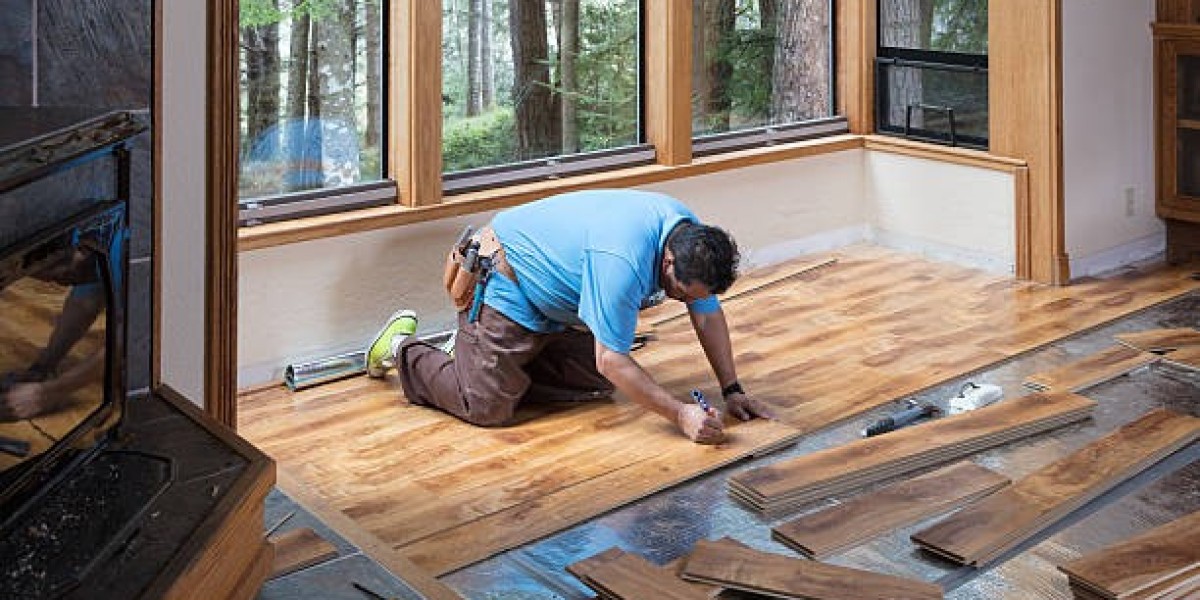

Peel and stick backsplash tiles can instantly transform a kitchen or bathroom. They add texture, color, and a modern style without the time, cost, or mess of a full renovation. These tiles work especially well for DIY projects because they install quickly and require minimal tools. However, outlets can interrupt the wall surface and make installation feel challenging. Many homeowners worry about cutting tiles neatly without cracking them or leaving uneven gaps. Fortunately, you can achieve clean, professional-looking results with accurate measurements, the right tools, and a careful approach.
Why Do Outlets Create Challenges When Installing Peel-and-Stick Backsplash?
Outlets break up the wall’s flat surface, forcing you to cut tiles precisely to fit around them. Even small measurement errors can cause tiles to sit unevenly or leave noticeable gaps. Tight spaces, corners, and thick peel and stick wall panels designs can also make cutting more difficult, especially for first-time DIYers. When you follow a step-by-step process, however, you can overcome these challenges and create a smooth, polished backsplash that looks professionally installed.
Tools and Safety Steps to Prepare Before Cutting Around Outlets
Proper preparation makes the job easier and safer.
Tools You Need
Measuring tape or ruler
Pencil for marking
Sharp utility knife
Metal or straightedge ruler
Safety Steps
Turn off the power to the outlet at the breaker
Remove the outlet cover or switch plate before measuring
These steps protect you and ensure accurate tile placement.
How to Measure and Mark Outlet Areas Accurately
Step 1: Position the Tile
Hold the tile in its exact position on the wall without removing the backing. Align it carefully with nearby tiles. Mark the top, bottom, and side edges of the tile directly on the wall.
Step 2: Measure the Outlet
Measure the distance from your wall marks to the top, bottom, and sides of the outlet. Write down each measurement carefully.
Step 3: Transfer Measurements to the Tile
Flip the tile over so the adhesive side faces up. Transfer the measurements onto the back of the tile, marking the exact location of the outlet opening.
Step 4: Draw Clear Cutting Lines
Use a metal ruler and pencil to connect the marks. Draw straight, clean lines to outline the outlet cutout.
Step 5: Double-Check Your Work
Review all measurements and markings before cutting. Verifying accuracy now prevents wasted tiles later.
Best Method to Cut and Fit Peel-and-Stick Tiles Around Outlets
Step 1: Score the Tile
Place the tile adhesive-side up. Use a utility knife and ruler to score along the marked lines. For thicker tiles, score several times to create a deep, clean cut.
Step 2: Remove the Cut Section
Gently bend the tile along the scored lines until the outlet section snaps free. Trim rough edges with scissors or a utility knife.
Step 3: Test the Fit
Place the tile against the wall without peeling the backing. Check the fit around the outlet and trim slightly if needed.
Step 4: Install the Tile
Peel off the backing and press the tile firmly onto the wall. Smooth the edges around the outlet so the tile sits flush. Reinstall the outlet cover once the tile is secure.
How to Fix Small Gaps or Rough Edges Around Outlets
If you notice small gaps or uneven edges, fix them easily. Trim rough areas with a sharp knife or scissors. Fill tiny gaps with leftover tile pieces or apply a thin line of matching caulk or tile edge trim.
Press the edges firmly to ensure a smooth, seamless finish.
Tips for Safe, Accurate, and Long-Lasting Installation
Confirm the power is off using a voltage tester
Remove outlet covers and store screws safely
Clean the wall to remove dust, grease, and debris
Measure twice and cut once
Use paper templates for complex outlet shapes
Cut from the back of the tile for cleaner edges
Cut slightly smaller so the outlet cover hides imperfections
Test-fit tiles before removing the backing
Apply firm pressure to eliminate air bubbles
Seal edges in moisture-prone areas for extra protection
How Proper Outlet Cuts Improve the Look of Your Backsplash
Precise cuts allow tiles to sit flat and align perfectly around outlets. When tiles fit correctly, the backsplash looks clean, cohesive, and professionally finished. Poorly cut tiles create gaps and uneven lines that draw attention away from the design. Accurate outlet cuts elevate the entire backsplash and enhance the overall appearance of your kitchen or bathroom.
Final Verdict
Cutting peel-and-stick backsplash around outlets may feel intimidating at first, but careful planning makes the process straightforward. Measure accurately, mark clearly, and cut with precision. Trim rough edges and use caulk when needed to achieve a clean finish. Prepare the surface properly and apply firm pressure during installation to ensure long-lasting adhesion. When you follow these steps, your backsplash will look seamless, stylish, and durable. Mastering outlet cuts builds confidence and allows you to tackle tricky areas with ease. In the end, your peel and stick wall panels will enhance your space and deliver a polished, professional look that lasts for years.