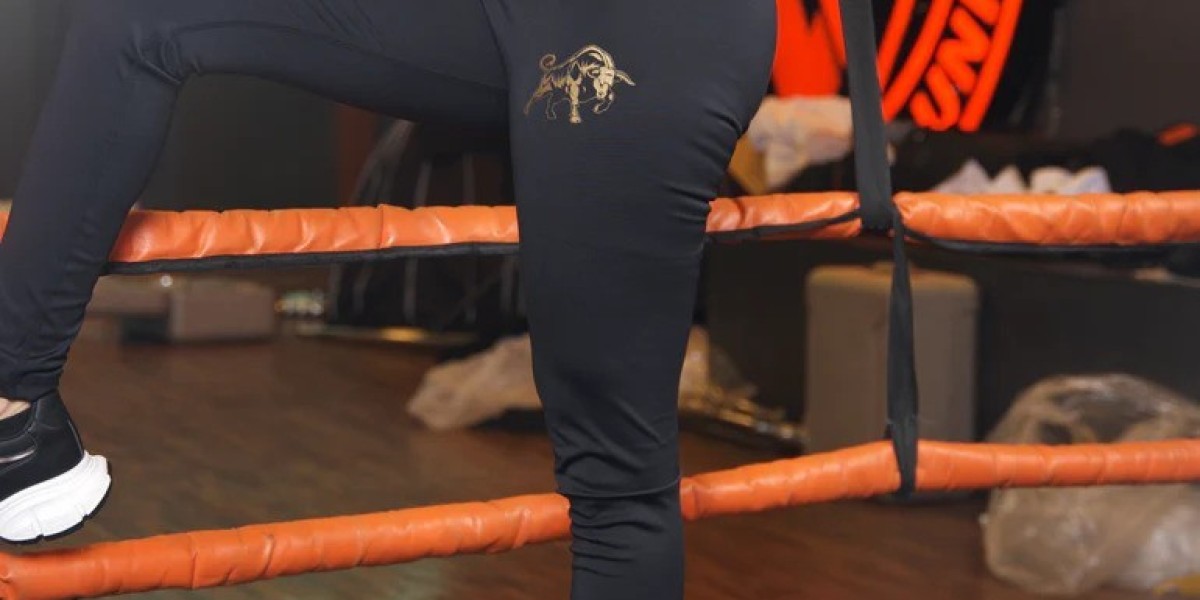

Selecting the appropriate training gear is a foundational aspect of martial arts performance, safety, and long-term development. Martial artists rely on equipment that supports mobility, protection, comfort, and technical execution. However, recurring errors in gear selection can impede progress, increase injury risk, and create unnecessary barriers to consistent training. This article examines the top 10 mistakes martial artists make when choosing training gear, with a focus on the selection of athletic apparel, including performance shorts for men and women. Included are practical insights grounded in industry standards, biomechanics, and real-world training environments.
What Constitutes Appropriate Training Gear?
Training gear refers to all apparel and protective equipment used during martial arts practice, including attire, protective pads, gloves, guards, and footwear (where applicable). The role of quality gear extends beyond appearance: it must facilitate movement, manage impact forces, regulate body temperature, and support sport-specific mechanics.
Why Proper Gear Selection Matters?
In disciplines such as Brazilian Jiu-Jitsu, Muay Thai, Taekwondo, or mixed martial arts (MMA), athletes perform complex movements under varied conditions. Inadequate gear can restrict performance, cause chafing or irritation, and increase risk of acute or overuse injury. Optimal gear selection contributes to comfort, safety, and psychological confidence.
Core Issues in Training Gear Selection
1. Prioritizing Aesthetics Over Function
Many practitioners select gear based on color, pattern, or trend rather than performance attributes. Aesthetic appeal does not equate to biomechanical suitability. Performance textiles must balance stretch, durability, sweat management, and abrasion resistance.
2. Misunderstanding Fit and Mobility Requirements
Gear that is too tight or too loose can interfere with technical execution. A well-fitting item, such as appropriate training shorts, must accommodate kicks, sprawls, grappling transitions, and rapid direction changes. A tailored fit also minimizes fabric bunching and friction.
3. Ignoring Sport‑Specific Requirements
Different martial arts impose unique demands. For instance, grappling arts require stretch-resistant, tear-tough materials, while striking disciplines value ultra-lightweight, quick-dry fabrics to support high-velocity motion and sweat evaporation.
4. Selecting Improper Shorts for Training
Training shorts are a fundamental component of martial arts apparel, and selecting an inappropriate pair can significantly hinder performance. Key design elements—such as split seams for unrestricted movement, reinforced stitching for durability, and quick-dry materials for comfort—are often overlooked by practitioners. For those in search of best gym shorts for men , the PrimeBull collection offers performance-focused options specifically engineered to support athletic training across various disciplines. Likewise, athletes seeking women's workout shorts can access designs optimized for female biomechanics and performance needs.
5. Overlooking Material Technology
Modern performance gear incorporates advanced fabrics such as moisture-wicking polyesters, elastane blends for stretch, and antimicrobial finishes to reduce odor. Choosing cotton‑heavy or non‑technical fabrics for intensive training results in slow drying, increased irritation, and reduced thermal regulation.
6. Underestimating Protective Equipment Fit
Protective gear such as shin guards, gloves, and mouthguards must provide correct sizing and positioning. Ill‑fitting protection can shift during impact, reducing effectiveness and increasing injury risk.
7. Neglecting Durability and Construction Quality
Martial arts involve repeated stress on clothing and gear. Weak seams, low-quality fasteners, or inadequate padding compromise gear longevity and performance consistency.
8. Disregarding Hygiene and Maintenance
Training gear that cannot withstand frequent washing, sweat exposure, and environmental contaminants will degrade prematurely. Apparel and protective equipment should be chosen with care for ease of cleaning and microbial resistance.
9. Selecting Gear Without Expert Guidance
Martial arts coaches and experienced practitioners provide valuable insight into appropriate selections based on discipline, body morphology, and training intensity. Only, uninformed purchases increase the probability of unsuitable gear.
10. Failing to Update Gear Over Time
As skill levels and training loads evolve, so do gear requirements. Advanced practitioners should periodically reassess their equipment to ensure continued alignment with training demands and safety standards.
Expert Insights & Best Practices
Performance Attributes to Prioritize
When selecting training gear, several performance attributes are critical for effective martial arts practice. Mobility and range of motion are paramount; gear must allow the full execution of kicks, grappling maneuvers, and stance transitions without restriction or resistance. Thermal regulation is also essential, as materials should facilitate sweat evaporation and quick drying to minimize heat stress during intense sessions.
For protective equipment, impact absorption is a key factor, with structural padding and ergonomic design necessary to reduce the risk of injury. Finally, seam and fabric strength play a significant role in durability, with reinforced stitching and rip-stop fabrics ensuring that gear withstands repeated stress and maintains performance over time.
Professional Selection Framework
Assess Discipline Demands: Identify dominant movement patterns and contact levels.
Evaluate Material Properties: Review moisture management, stretch characteristics, and durability.
Verify Fit Through Measurements: Use body dimensions and movement tests to confirm sizing.
Consult Experienced Practitioners: Seek feedback on long-term performance.
Test in Training Scenarios: Trial gear during controlled sessions to confirm suitability.
Common Misconceptions
A number of common misconceptions often influence martial artists when selecting training gear. One prevalent belief is that more expensive gear is inherently better; However, price alone does not guarantee suitability. Instead, athletes should evaluate the materials, construction, and performance features of the equipment to ensure it meets their specific training needs.
Another frequent misunderstanding is that all training shorts are essentially the same. In reality, design elements such as split seams, reinforced stitching, and moisture-wicking capabilities vary significantly, directly affecting comfort, mobility, and durability during intense training sessions. Additionally, some practitioners assume that protective gear is only necessary for competition. This is incorrect, as daily training exposes athletes to repetitive impacts and stress that require proper protection to reduce the risk of injury over time.
Conclusion
Choosing the right training gear is pivotal to martial arts success, safety, and advancement. Errors in gear selection stem from misunderstanding material technology, overemphasizing aesthetics, or failing to align gear with discipline-specific demands. Prioritizing performance attributes, fit, and durability ensures that martial artists are equipped to train effectively. Thoughtful selection of best gym shorts for men and womens workout shorts — among other gear — supports optimal performance and long-term engagement in training. Through disciplined evaluation and adherence to professional standards, practitioners minimize preventable setbacks and enhance overall martial arts experience.
FAQs
1. What features distinguish optimal training shorts for martial arts?
Premium martial arts training shorts balance stretch, durability, moisture management, and an ergonomic cut that supports unrestricted movement.
2. How should martial artists determine the correct fit for gear?
Measurement-based sizing and movement trials ensure that gear supports the full range of motion without binding or slipping.
3. Can everyday gym shorts suffice for martial arts training?
Generic gym shorts may lack critical features such as reinforced seams, split legs, and quick-dry fabrics designed for dynamic movement.
4. Are performance fabric technologies necessary?
Forks. Technical textiles reduce moisture retention, increase comfort, and improve thermoregulation during high‑intensity sessions.
5. How often should training gear be replaced?
Gear integrity should be reviewed regularly; replace equipment when performance or protective capabilities diminish.
6. What is the importance of discipline‑specific gear choices?
Different martial arts exerted varied mechanical stresses; gear optimized for those stresses improves safety and performance.
7. How do training shorts for men differ from those for women?
Design differences account for typical anatomical variations, including waist fit, hip shape, and movement patterns; the collections at PrimeBull illustrate performance tailoring for both categories.
8. Does gear selection affect injury rates?
Appropriate gear that supports movement and protection can reduce injury risk by minimizing mechanical strain and impact exposure.